


One of the key benefits of using a CMMS for managing contractor work is its ability to enhance communication and coordination. By providing a unified interface where all parties involved can access schedules, work orders, and project details, CMMS eliminates the confusion that often arises from disparate communication channels. This fosters better collaboration between in-house maintenance teams and external contractors, leading to smoother project execution.
Moreover, CMMS software facilitates comprehensive tracking and documentation of contractor activities. Managers can easily monitor the progress of work orders, track labor hours, and manage inventory related to contractor projects. This level of visibility not only improves accountability but also allows for better resource allocation and cost control.
Another significant advantage is the maintenance planning capabilities offered by CMMS. By integrating contractor schedules with preventive maintenance tasks, organizations can optimize workflow and minimize downtime. Scheduled maintenance can be coordinated seamlessly with contractor availability, ensuring that equipment and facilities remain in optimal condition without disrupting operations.
Furthermore, CMMS systems provide robust reporting and analytics functionalities. Managers can generate detailed reports on contractor performance, project costs, and asset reliability. These insights enable informed decision-making and continuous improvement of contractor management processes.
In essence, a CMMS serves as a strategic tool for organizations seeking to streamline and enhance their contractor management practices. By centralizing communication, improving visibility, and optimizing maintenance operations, CMMS software contributes to operational efficiency and overall business success.
Streamlining Operations: The Role of CMMS in Contractor Management
Imagine running a construction site without a comprehensive system to manage contractors. It would be like trying to navigate a bustling city without a map or GPS. Chaos would reign, schedules would be missed, and costs would skyrocket. This is where Computerized Maintenance Management Systems (CMMS) step in as the unsung heroes of efficient contractor management.
CMMS software is not just a fancy tool for tech enthusiasts; it’s a game-changer for contractors and project managers alike. At its core, CMMS organizes and schedules maintenance activities, but its functionality extends far beyond mere maintenance. It serves as a centralized hub where all contractor-related activities converge, from scheduling tasks to tracking work orders and managing inventory.
One of the most significant advantages of using CMMS in contractor management is its ability to streamline operations. By automating routine tasks and providing real-time updates, CMMS minimizes downtime and maximizes productivity. Picture this: instead of manually assigning tasks and wondering about progress, CMMS allows project managers to oversee operations seamlessly. It’s like having a virtual assistant who ensures everything runs like clockwork.
Moreover, CMMS enhances communication among team members and contractors. Through its intuitive interface, stakeholders can collaborate effectively, share updates, and address issues promptly. This fosters a culture of transparency and accountability, where everyone is on the same page, working towards a common goal.
In the fast-paced world of construction and maintenance, time is money. CMMS helps save both. By optimizing workflows and reducing administrative overhead, it frees up valuable resources that can be reinvested into the project. Imagine completing tasks faster, meeting deadlines effortlessly, and staying within budget—all thanks to the efficiency brought by CMMS.
CMMS isn’t just a tool; it’s a strategic asset that modern contractors can’t afford to overlook. From organizing schedules to enhancing communication and optimizing workflows, its impact on streamlining operations is profound. As industries evolve and demands grow, CMMS remains a steadfast companion, ensuring that every project is executed with precision and efficiency.
Efficiency Unleashed: CMMS Tools Revolutionize Contractor Workflows
In the fast-paced world of contracting, efficiency isn’t just a goal—it’s a necessity. That’s where CMMS (Computerized Maintenance Management System) tools step in, revolutionizing how contractors manage workflows. Imagine having all your maintenance schedules, work orders, and equipment data neatly organized and accessible from one platform. It’s like having a digital assistant that keeps everything in check without missing a beat.
CMMS tools streamline contractor workflows by centralizing information. They allow contractors to schedule preventive maintenance, track asset performance, and manage inventory seamlessly. This means fewer breakdowns, optimized equipment uptime, and ultimately, happier clients.
But it’s not just about organization; CMMS tools empower contractors with data-driven insights. They provide real-time analytics on maintenance trends, helping to predict potential issues before they escalate. It’s akin to having a crystal ball that foresees problems and allows proactive solutions.
Picture this: a contractor using CMMS tools is like a skilled conductor leading an orchestra. Each instrument (or task) plays harmoniously in sync, resulting in a flawless performance (or project completion). From small repairs to large-scale renovations, CMMS tools ensure that every detail is meticulously managed for maximum efficiency.
Moreover, these tools aren’t just for large companies. Even small to medium-sized contractors benefit greatly. They level the playing field, enabling efficient operations that rival those of larger competitors.
CMMS tools aren’t just a trend; they’re a game-changer for contractors looking to boost productivity and client satisfaction. By embracing technology that simplifies complexities, contractors can focus more on delivering exceptional results while leaving the tedious backend management to their digital partners.
Mastering Contractor Coordination: CMMS Solutions Explained
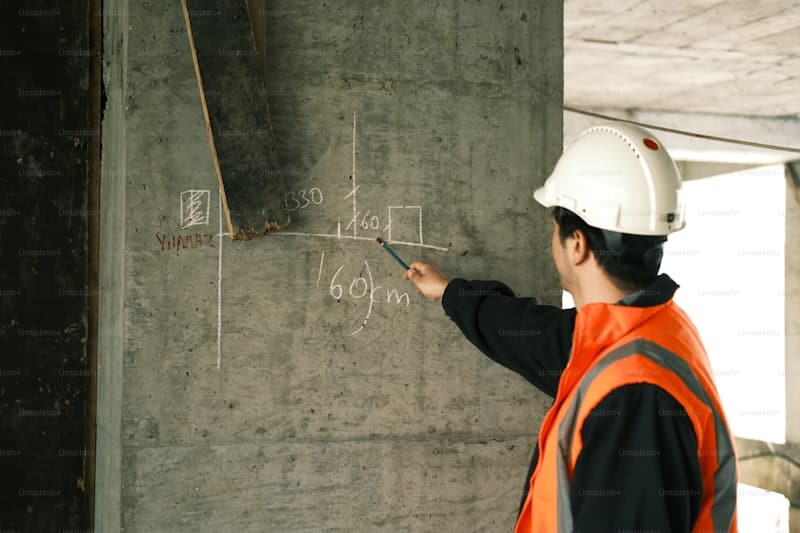
CMMS solutions streamline the entire process, from initial planning to final execution. They act as the central nervous system, ensuring seamless communication and coordination between contractors, suppliers, and project managers. Picture it like a GPS navigating through a complex web of roads—except here, it navigates through timelines, tasks, and resources.
One of the key advantages of CMMS is its ability to schedule and assign tasks with precision. Think of it as assigning roles in a well-oiled machine, where each part knows exactly what to do and when. This not only boosts efficiency but also minimizes downtime and maximizes productivity.
Moreover, CMMS solutions enhance transparency and accountability. They provide real-time updates and reports, allowing stakeholders to monitor progress effortlessly. It’s like having a live scoreboard in a sports game, where everyone can see who’s scoring and where adjustments are needed.

In addition to task management, CMMS systems excel in resource allocation. They optimize the use of materials, manpower, and machinery, ensuring nothing goes to waste. It’s akin to a chef preparing a gourmet meal with just the right ingredients, cooked to perfection every time.
Furthermore, these systems improve safety and compliance by keeping track of regulations and protocols. They act as a vigilant guardian, ensuring that every step follows industry standards and best practices.
In essence, mastering contractor coordination through CMMS solutions is like conducting a flawless orchestra performance. It’s about bringing together diverse talents and resources, harmonizing efforts, and achieving a symphony of success in every project undertaken.
From Chaos to Coordination: How CMMS Transforms Contractor Management
Imagine a bustling construction site where coordination is key to success. Every day, contractors arrive with specific tasks and timelines, but without a streamlined system, chaos ensues. This is where Computerized Maintenance Management Systems (CMMS) step in, revolutionizing contractor management from disarray to efficiency.
CMMS software acts as a digital hub, bringing together contractors, schedules, and tasks under one virtual roof. It’s like having a control tower overseeing the entire operation, ensuring that everyone is on the same page and working towards the same goals. By centralizing information such as work orders, equipment availability, and maintenance history, CMMS eliminates the confusion that often plagues construction projects.
One of the most impactful features of CMMS is its ability to schedule and track contractor assignments seamlessly. Instead of relying on manual spreadsheets or verbal instructions, project managers can allocate tasks directly within the system. This not only saves time but also minimizes errors and miscommunications that can lead to costly delays.
Moreover, CMMS enhances accountability by providing real-time updates on task progress. Contractors can log their work, report issues, and receive feedback instantly, fostering a transparent and collaborative environment. This transparency builds trust among team members and ensures that projects stay on track without surprises.
In the fast-paced world of construction, efficiency is everything. CMMS empowers contractors to work more productively by reducing downtime and optimizing resource allocation. Whether it’s scheduling preventive maintenance or managing urgent repairs, the system prioritizes tasks based on urgency and criticality, keeping operations running smoothly.
The Power of Precision: Using CMMS for Seamless Contractor Oversight
CMMS platforms are designed to streamline the entire maintenance workflow, from work order creation to completion. They centralize data related to equipment, work history, and maintenance schedules, offering a comprehensive view of facility operations. For contractor oversight, CMMS plays a crucial role by facilitating clear communication and accountability.
Imagine a scenario where a large commercial facility needs to repair a critical HVAC system. With CMMS, facility managers can effortlessly create work orders specifying the task requirements and deadlines. This detailed information ensures that contractors understand the scope of work precisely, reducing misunderstandings and delays.
Moreover, CMMS allows real-time tracking of work progress. Facility managers can monitor the status of ongoing tasks, receive updates from contractors, and ensure that work is completed on schedule. This transparency fosters trust and collaboration between facility management teams and contractors, leading to more efficient operations.
Another significant advantage of CMMS in contractor oversight is its ability to maintain historical records. Every maintenance activity, including contractor performance evaluations and costs incurred, is documented within the system. This historical data serves as a valuable resource for future planning and decision-making, enabling facilities to optimize maintenance strategies and budget allocations.
In essence, the power of CMMS lies in its ability to integrate contractor oversight seamlessly into facility management practices. By leveraging these systems, facilities can enhance operational efficiency, minimize downtime, and uphold high standards of service delivery. As technology continues to advance, CMMS remains a cornerstone in modern facility management, empowering organizations to achieve excellence in maintenance and contractor collaboration.
Optimizing Resources: CMMS Strategies for Effective Contractor Management
A CMMS system acts as a centralized hub where all contractor-related information, from schedules to work orders, is stored and managed. This allows facilities managers to easily track contractor activities, ensuring they align with organizational goals and compliance requirements.
One of the key strategies in CMMS for effective contractor management is scheduling and prioritization. By utilizing the system’s scheduling capabilities, managers can allocate tasks based on priority levels and resource availability. This not only optimizes the use of contractor resources but also minimizes downtime by ensuring timely completion of critical tasks.
Additionally, CMMS systems enable real-time communication and collaboration. Contractors can receive work orders instantly via the system, reducing delays and miscommunications. Moreover, managers can monitor progress in real-time, ensuring that projects stay on track and within budget.
Another significant aspect of CMMS strategies is data-driven decision-making. These systems generate comprehensive reports and analytics on contractor performance, work order history, and resource utilization. By analyzing these insights, managers can identify trends, areas for improvement, and potential cost-saving opportunities.
Furthermore, CMMS systems enhance compliance and safety measures. They enable documentation of contractor certifications, permits, and training records, ensuring that only qualified personnel are assigned to specific tasks. This minimizes risks associated with non-compliance and enhances overall workplace safety.
Leveraging CMMS strategies for effective contractor management leads to improved operational efficiency, cost savings, and enhanced service delivery. By optimizing resource allocation, fostering real-time collaboration, and utilizing data-driven insights, organizations can achieve sustainable growth and maintain a competitive edge in their industry.
Frequently Asked Questions
What is a CMMS and how does it streamline contractor management?
Learn about CMMS (Computerized Maintenance Management System), a software tool that optimizes contractor management by centralizing data, scheduling tasks efficiently, and tracking maintenance activities in real-time. It enhances communication, reduces downtime, and improves overall operational efficiency.
What role does a CMMS play in tracking contractor performance?
A CMMS (Computerized Maintenance Management System) helps track contractor performance by recording work orders, tracking completion times, evaluating task outcomes, and maintaining records of contractor history. It aids in assessing reliability, efficiency, and compliance with service agreements.
How does a CMMS help in scheduling and coordinating contractor tasks?
Learn how a CMMS streamlines scheduling and coordination of contractor tasks by centralizing job assignments, tracking progress, and ensuring timely completion through automated notifications and real-time updates.
How can a CMMS improve communication with contractors?
Learn how a CMMS (Computerized Maintenance Management System) can enhance communication with contractors by providing centralized access to work orders, real-time updates on task statuses, and streamlined communication channels. Discover the efficiency gains and improved collaboration that result from using a CMMS to manage contractor interactions and project workflows effectively.
What are the benefits of using a CMMS for contractor work management?
Learn about the advantages of using a CMMS (Computerized Maintenance Management System) for managing contractor work efficiently. Discover how CMMS streamlines scheduling, improves communication, tracks maintenance tasks, and enhances overall productivity.


