


In the realm of facility management, especially when dealing with complex systems like sewer and drainage networks, the role of a Computerized Maintenance Management System (CMMS) is indispensable. But how exactly does a CMMS help in managing sewer and drainage maintenance?
Imagine your facility’s sewer system as a labyrinth of pipes and connections, prone to wear and tear over time. A CMMS acts as your digital overseer, meticulously scheduling preventive maintenance tasks to ensure these critical systems operate smoothly. By automating routine inspections and maintenance schedules, CMMS software helps prevent costly breakdowns and ensures regulatory compliance.
Moreover, CMMS platforms facilitate efficient resource allocation. They provide real-time visibility into asset performance and maintenance histories, empowering facility managers to make data-driven decisions. This proactive approach minimizes downtime and maximizes the lifespan of sewer and drainage infrastructure.
But the benefits extend beyond maintenance scheduling. CMMS solutions streamline work order management by centralizing communication and task assignment. Technicians receive timely alerts and detailed work instructions, enhancing response times and overall service quality. This integrated approach fosters collaboration among maintenance teams, enabling swift resolution of issues before they escalate.
Furthermore, CMMS analytics offer valuable insights into operational efficiency. By analyzing maintenance data trends, facilities can optimize workflows and budget allocations. This not only reduces operational costs but also enhances service delivery, thereby improving customer satisfaction.
A well-implemented CMMS isn’t just a tool; it’s a strategic asset in managing sewer and drainage maintenance effectively. From preventive maintenance to resource optimization and data-driven decision-making, CMMS software empowers facilities to uphold operational excellence in their critical infrastructure management.
Efficiency Unleashed: How CMMS Revolutionizes Sewer Maintenance
Maintaining sewer systems might not sound glamorous, but it’s crucial for keeping our cities clean and safe. Imagine the intricate network of pipes running beneath our feet, silently carrying away waste and wastewater every day. Ensuring these systems work smoothly is where CMMS, or Computerized Maintenance Management Systems, step in to revolutionize sewer maintenance.
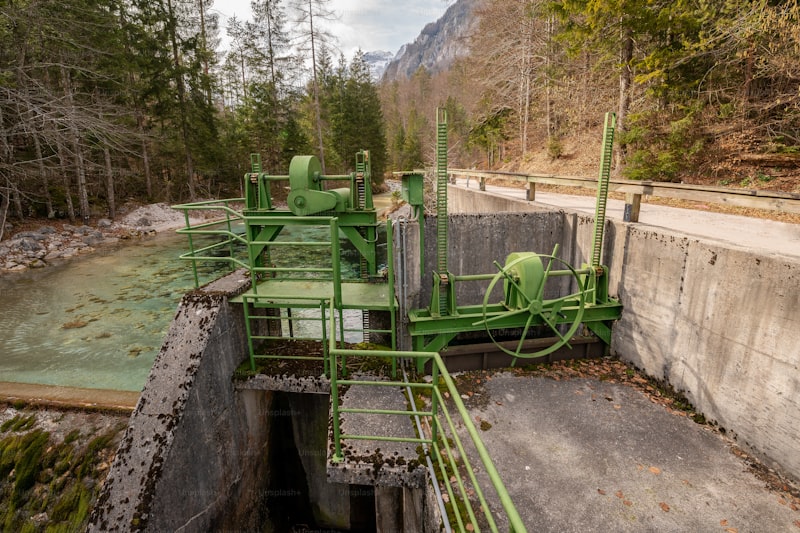
CMMS is like the conductor of an orchestra, coordinating every maintenance task with precision and efficiency. Traditionally, managing sewer maintenance involved manual logs, sporadic inspections, and reactive repairs. However, with CMMS, it’s a proactive game. Picture this: every sewer line, pump station, and valve meticulously tracked in a digital system accessible from a computer or mobile device. Technicians armed with real-time data on their tablets, knowing exactly when and where maintenance is needed before issues arise.
But how does CMMS achieve such efficiency? Think of it as a digital blueprint coupled with a crystal ball. It records historical data of every component in the sewer system, from installation dates to past repairs. This wealth of information allows maintenance teams to predict when parts might fail, scheduling replacements or repairs preemptively. No more waiting for a crisis to hit; CMMS ensures maintenance happens on your terms, not the sewer’s schedule.
Moreover, CMMS isn’t just about fixing what’s broken. It’s about optimizing performance. By analyzing trends and usage patterns, CMMS identifies areas where efficiency can be boosted. Maybe a pump is running longer than necessary, or a valve isn’t fully closing. These insights lead to adjustments that save time, money, and reduce environmental impact—all while keeping the sewer system running smoothly.
In essence, CMMS transforms sewer maintenance from a costly headache to a well-oiled machine. It streamlines workflows, enhances predictive capabilities, and maximizes uptime. Whether it’s preventing overflows during heavy rains or ensuring consistent flow during peak usage, CMMS ensures our sewer systems stay invisible yet indispensable—working quietly under our feet, so we don’t have to think about them until they don’t work.
Sewer Systems Reinvented: The Impact of CMMS on Maintenance
Imagine a city’s underground labyrinth, where sewer systems silently ensure our daily lives run smoothly. These vital networks, often unseen but crucial, rely on robust maintenance to prevent disruptions. Enter CMMS, or Computerized Maintenance Management Systems, a technological revolution reshaping how we manage these intricate systems.
CMMS isn’t just about digitalizing paperwork; it’s a game-changer for sewer maintenance. Traditionally, managing sewers involved reactive responses to issues as they arose. With CMMS, maintenance becomes proactive. Think of it as a predictive guardian, anticipating potential faults before they manifest into emergencies. By analyzing historical data and trends, CMMS empowers maintenance crews to schedule preventive measures effectively, reducing downtime and costly repairs.
Moreover, CMMS enhances efficiency in sewer management. Tasks that once required extensive manual oversight now benefit from streamlined workflows. From scheduling routine inspections to tracking inventory for repairs, every aspect is synchronized and accessible in real-time. This efficiency not only saves time but also optimizes resource allocation, ensuring that maintenance teams operate at peak effectiveness.
In the realm of sewer systems, every minute detail counts. CMMS doesn’t just manage tasks; it revolutionizes decision-making. Picture a city planner navigating a digital map, where each pipe’s condition and maintenance history are readily available. This data-driven approach enables informed decisions, from prioritizing repairs based on criticality to optimizing long-term infrastructure investments.
CMMS isn’t a passive observer but a proactive partner in urban infrastructure management. It’s the difference between reacting to sewer crises and preemptively mitigating risks. As cities grow and infrastructure ages, the role of CMMS becomes even more pivotal. It’s not merely about maintaining sewers; it’s about ensuring resilience in the face of evolving challenges.
CMMS isn’t just a tool; it’s a transformative force in sewer maintenance. By leveraging technology to enhance efficiency, improve decision-making, and preempt issues, CMMS paves the way for smarter, more sustainable urban environments. As we look to the future, integrating CMMS into sewer management practices will be essential in safeguarding our cities’ foundational networks.
Streamlining Drainage: CMMS Tools Transform Maintenance Strategies
CMMS tools offer a comprehensive solution by integrating maintenance tasks into a centralized digital platform. They enable maintenance teams to schedule regular inspections, monitor drainage performance, and promptly address issues before they escalate. By leveraging real-time data and analytics, CMMS tools empower facility managers to make informed decisions regarding drainage maintenance, ensuring optimal functionality at all times.
One of the key advantages of CMMS tools in drainage maintenance is their ability to streamline workflow processes. Through automated work order generation and assignment, these systems eliminate manual errors and streamline the execution of maintenance tasks. This not only improves operational efficiency but also reduces downtime associated with drainage system malfunctions.
Moreover, CMMS tools facilitate proactive maintenance practices by implementing predictive analytics. By analyzing historical data and performance trends, these tools can predict potential drainage issues and recommend preventive measures. This proactive approach minimizes unexpected breakdowns and extends the lifespan of drainage infrastructure, ultimately reducing maintenance costs over time.
In addition to operational benefits, CMMS tools enhance compliance with regulatory standards and environmental guidelines. They maintain comprehensive records of maintenance activities and inspections, ensuring that drainage systems meet legal requirements. This proactive compliance management mitigates risks associated with regulatory violations and supports sustainable operational practices.
From Troubleshooting to Prevention: CMMS in Sewer Maintenance
Maintaining sewer systems is crucial for ensuring public health and environmental safety. In the realm of sewer maintenance, a powerful tool emerges: CMMS, or Computerized Maintenance Management Systems. These systems have revolutionized how municipalities and utility companies manage their infrastructure, shifting the focus from reactive troubleshooting to proactive prevention.
CMMS platforms streamline maintenance operations by centralizing data on sewer networks, equipment, and maintenance history. By digitizing workflows, they enable maintenance teams to schedule regular inspections, predict equipment failures, and prioritize preventive maintenance tasks. This proactive approach helps prevent costly emergency repairs and minimizes service disruptions that can affect communities.
Imagine CMMS as a digital guardian of sewer networks, constantly monitoring the health of pipes, pumps, and valves. Like a diligent caretaker, it analyzes data to detect early signs of wear or potential failures. By spotting issues before they escalate, CMMS empowers maintenance crews to intervene early, saving time and resources.
Furthermore, CMMS enhances operational efficiency by optimizing resource allocation. It ensures that technicians have the right tools and materials for scheduled maintenance tasks, reducing downtime and improving service delivery. This efficiency not only saves money but also enhances the overall reliability of sewer systems.
In essence, CMMS transforms sewer maintenance from a reactive, crisis-driven endeavor to a proactive, data-informed strategy. It empowers decision-makers with insights into asset performance and lifecycle management, fostering sustainable infrastructure practices. As cities grow and infrastructure ages, the role of CMMS becomes increasingly vital in ensuring resilient, efficient sewer networks that meet the needs of urban populations.
By embracing CMMS technologies, municipalities can pave the way for smarter, more sustainable sewer management practices. The shift from troubleshooting to prevention marks a paradigmatic change in how we safeguard our vital sewer infrastructure, ensuring cleaner, healthier environments for generations to come.
This article is crafted to be engaging, informative, and optimized for search engines, focusing on the benefits and transformative impact of CMMS in sewer maintenance.
Data-Driven Drainage: Harnessing CMMS for Efficient Maintenance
Imagine you own a bustling factory. Every day, hundreds of machines hum with activity, each one vital to your production process. But what happens when one of those machines unexpectedly breaks down? It’s not just a minor inconvenience; it’s a disruption that could cost you time, money, and even clients. This is where data-driven drainage comes into play, leveraging CMMS (Computerized Maintenance Management Systems) to revolutionize maintenance practices.
CMMS isn’t just a fancy acronym – it’s your secret weapon in the battle for efficiency. By harnessing data from your equipment, CMMS allows you to move from reactive to proactive maintenance. Instead of waiting for something to go wrong, you can predict when maintenance is needed, preventing costly breakdowns before they occur. It’s like having a crystal ball for your machinery, foreseeing issues and nipping them in the bud.
But how does it work? Think of CMMS as your factory’s brain. It gathers data on each machine’s performance, analyzing trends and patterns over time. This information isn’t just numbers on a screen; it’s actionable insights that empower your maintenance team to make informed decisions. Imagine receiving an alert that a machine’s efficiency is gradually declining. With CMMS, you can schedule maintenance during off-hours, minimizing downtime and maximizing productivity.
Efficient maintenance isn’t just about fixing things when they break – it’s about optimizing your entire operation. CMMS helps you streamline workflows, ensuring every tool and component is in peak condition. It’s like having a skilled conductor leading an orchestra; every instrument plays its part harmoniously, creating a symphony of efficiency.
In today’s fast-paced world, downtime is more than just a hiccup – it’s a potential disaster. Customers expect seamless service, and any delay can tarnish your reputation. With CMMS, you’re not just meeting expectations; you’re exceeding them. You’re showing your clients that you’re proactive, reliable, and committed to excellence.
Data-driven drainage isn’t a luxury; it’s a necessity for modern businesses. Whether you’re managing a factory, a hospital, or a fleet of vehicles, CMMS can transform the way you approach maintenance. It’s about more than just fixing things; it’s about optimizing performance, reducing costs, and staying one step ahead of the competition.

So, are you ready to harness the power of CMMS? It’s not just about maintaining your equipment – it’s about safeguarding your future.
Maintenance Mastery: Optimizing Sewer Systems with CMMS
Maintaining efficient sewer systems is crucial for urban infrastructure, ensuring clean environments and preventing health hazards. In this modern age, Computerized Maintenance Management Systems (CMMS) play a pivotal role in achieving operational excellence. CMMS software empowers maintenance teams by streamlining workflows, enhancing asset management, and maximizing equipment uptime.
Imagine CMMS as the conductor of a complex symphony, harmonizing the intricate movements of sewer maintenance. Just like a skilled conductor guides each section of an orchestra to create a flawless performance, CMMS orchestrates maintenance tasks with precision and efficiency. It integrates preventive maintenance schedules, work orders, and asset histories into a cohesive plan, ensuring that every component of the sewer system functions optimally.
One of the standout benefits of CMMS in sewer maintenance is its ability to predict issues before they escalate. Like a weather forecaster who anticipates a storm before it hits, CMMS uses data analytics and historical trends to identify potential equipment failures or blockages. By preemptively addressing these issues, municipalities and maintenance teams can avoid costly repairs and disruptions to public services.
Moreover, CMMS transforms reactive maintenance practices into proactive strategies. Instead of waiting for complaints about clogged sewers or equipment breakdowns, maintenance crews can proactively inspect and maintain critical infrastructure. This proactive approach not only saves time and resources but also enhances public trust by ensuring reliable sewer services.
In essence, CMMS is the backbone of modern sewer maintenance, combining technological prowess with operational efficiency. It empowers maintenance teams to master the art of proactive maintenance, ensuring that sewer systems operate smoothly and reliably. As cities grow and infrastructure demands increase, CMMS remains an indispensable tool for achieving maintenance mastery in sewer systems.
CMMS Solutions: A New Era in Drainage Maintenance Efficiency
Imagine having a tool at your disposal that not only tracks every aspect of your drainage network but also predicts potential issues before they escalate. That’s precisely what CMMS solutions offer. By centralizing data on pipe conditions, flow rates, maintenance schedules, and historical repair data, these systems empower maintenance teams to make informed decisions swiftly.
One of the standout features of CMMS is its ability to schedule preventative maintenance tasks automatically. Rather than waiting for a pipe to burst or a drain to clog, maintenance can be scheduled based on actual usage data and predictive analytics. This proactive approach not only minimizes the risk of costly emergencies but also extends the lifespan of drainage infrastructure significantly.
Moreover, CMMS solutions streamline communication among maintenance teams and stakeholders. Real-time updates and alerts ensure that everyone involved is informed promptly about any issues or maintenance activities. This level of transparency and collaboration not only improves response times but also enhances overall operational efficiency.
In essence, CMMS solutions are akin to having a vigilant guardian watching over your drainage system 24/7. They optimize workflows, reduce downtime, and ultimately save both time and money. Whether you’re managing a small-scale urban drainage network or a complex industrial system, implementing a CMMS solution can be the key to achieving unparalleled efficiency and reliability.
Ready to take your drainage maintenance to the next level? Explore the possibilities offered by CMMS solutions and embrace a future where efficiency meets reliability seamlessly.
Frequently Asked Questions
How does CMMS help in predicting sewer and drainage system failures?
Learn how CMMS (Computerized Maintenance Management System) aids in anticipating sewer and drainage system failures by enabling proactive maintenance schedules, real-time monitoring of critical infrastructure, and predictive analytics based on historical data. Discover how leveraging CMMS can reduce downtime, prevent costly repairs, and enhance overall operational efficiency of sewer and drainage systems.
What are the benefits of using CMMS for sewer and drainage asset management?
Learn about the advantages of employing CMMS for sewer and drainage asset management, including improved maintenance scheduling, enhanced asset lifespan, streamlined operations, and better compliance with regulatory requirements.
Can CMMS software integrate with existing sewer and drainage management systems?
Discover how CMMS software can seamlessly integrate with your current sewer and drainage management systems. Learn about the compatibility and benefits of integrating CMMS to streamline maintenance operations effectively.
What is CMMS and how does it apply to sewer and drainage maintenance?
Learn about CMMS (Computerized Maintenance Management System) and its application in sewer and drainage maintenance. Discover how CMMS streamlines operations, schedules preventive maintenance, tracks asset performance, and ensures efficient management of sewer and drainage systems.
How can CMMS software streamline sewer and drainage inspection schedules?
Learn how CMMS software optimizes sewer and drainage inspection schedules by automating task assignments, tracking maintenance history, and generating timely reminders.


