


Governments oversee diverse assets from roads and bridges to public facilities, each requiring meticulous upkeep to sustain operations and safety. CMMS facilitates CBM by integrating data-driven insights with maintenance schedules, preempting breakdowns through predictive analytics. This proactive approach minimizes disruptions and enhances service delivery, critical for maintaining public trust.
By leveraging real-time data, CMMS empowers government agencies to monitor asset health continuously. Sensors and IoT devices feed live data into the system, detecting anomalies that signal potential issues before they escalate. This early warning system allows for timely interventions, optimizing resource allocation and extending asset lifespan.
Moreover, CMMS fosters transparency and accountability within government operations. Detailed maintenance logs and performance metrics provide stakeholders with clear visibility into asset management practices. This not only supports compliance with regulatory standards but also enhances decision-making by prioritizing investments based on actual asset conditions.
In essence, CMMS transforms maintenance from reactive to proactive, aligning with government mandates for efficiency and fiscal responsibility. By embracing CBM through advanced technologies, governments uphold infrastructure reliability while meeting citizen expectations for dependable public services. This holistic approach not only safeguards public assets but also drives sustainable development agendas, ensuring long-term resilience and economic growth.
Unlocking Efficiency: CMMS Tools Revolutionize Government Maintenance
Imagine a city’s public works department, responsible for maintaining roads, bridges, and public buildings. Without a robust system in place, tracking maintenance schedules and equipment status can be daunting. CMMS tools change this dynamic by centralizing data and automating workflows. They enable maintenance teams to schedule preventive maintenance tasks efficiently, ensuring that critical infrastructure remains in top condition without unexpected breakdowns.
Moreover, CMMS tools enhance accountability within government agencies. By recording maintenance activities in detail, they provide a clear audit trail and ensure compliance with regulatory standards. This transparency not only boosts operational integrity but also instills confidence in citizens regarding the responsible management of public resources.
In addition to operational benefits, CMMS tools contribute to cost savings. By optimizing maintenance schedules and prolonging the lifespan of assets through proactive upkeep, governments can reduce repair costs and avoid expensive emergency repairs. This proactive approach not only saves money but also minimizes disruptions to public services, enhancing overall service delivery.
Furthermore, CMMS tools empower decision-makers with real-time insights. From analyzing maintenance trends to forecasting future needs, these systems provide data-driven intelligence that aids in strategic planning and resource allocation. This proactive management approach ensures that governments can allocate resources efficiently, maximizing the impact of taxpayer dollars.
CMMS tools represent a paradigm shift in how governments manage maintenance operations. By unlocking efficiency, improving accountability, saving costs, and empowering decision-making, these tools play a vital role in enhancing public service delivery and infrastructure sustainability. As governments embrace digital transformation, CMMS tools stand as a cornerstone for modernizing maintenance practices and meeting the evolving needs of communities.
Smart Maintenance Strategies: CMMS and Condition-Based Monitoring in Government Facilities
Government facilities are vital infrastructure assets that require efficient maintenance strategies to ensure optimal functionality and longevity. Among the most effective approaches today are Computerized Maintenance Management Systems (CMMS) and Condition-Based Monitoring (CBM). These advanced tools revolutionize how maintenance is conducted, offering proactive solutions that preempt issues before they escalate into costly repairs.
CMMS serves as the backbone of maintenance operations in government facilities by centralizing data and streamlining workflows. It allows maintenance teams to schedule tasks, track work orders, and manage inventory seamlessly. By digitizing maintenance records and automating processes, CMMS enhances accountability and transparency across departments. This ensures that facilities adhere to compliance standards and operational protocols without delays or oversights.
In tandem with CMMS, Condition-Based Monitoring (CBM) introduces a predictive maintenance approach that relies on real-time data analytics. Sensors and IoT devices are deployed throughout critical infrastructure to monitor equipment performance and detect anomalies. By continuously assessing factors like temperature, vibration, and fluid levels, CBM provides early warnings of potential failures. This proactive approach minimizes downtime, reduces repair costs, and extends the lifespan of equipment in government facilities.
The synergy between CMMS and CBM empowers maintenance teams with actionable insights and foresight into asset health. Instead of reactive firefighting, government facilities can adopt a proactive stance towards maintenance, ensuring operational continuity and public safety. This shift from scheduled maintenance to condition-based interventions optimizes resource allocation and enhances overall efficiency.
Ensuring Operational Readiness: CMMS Solutions for Government Maintenance Challenges
CMMS solutions offer a robust framework designed to streamline maintenance operations through digitization and automation. Imagine a comprehensive software suite that centralizes asset management, work orders, and preventive maintenance schedules into one accessible platform. It’s like having a digital command center where every component of maintenance can be monitored, managed, and optimized in real-time.
One of the primary hurdles for government maintenance teams is the sheer scale and diversity of assets they oversee. From roads and bridges to public buildings and parks, each asset requires meticulous care to ensure safety, functionality, and longevity. CMMS solutions provide a structured approach by cataloging assets, tracking their lifecycle, and scheduling maintenance tasks accordingly.
Moreover, these systems empower maintenance teams with data-driven insights. By capturing maintenance history, performance metrics, and resource allocation, CMMS enables informed decision-making. Picture it as a GPS guiding maintenance efforts, ensuring that resources are allocated efficiently and operations remain cost-effective.
Another critical benefit of CMMS in government settings is compliance and accountability. With regulatory requirements and standards to uphold, CMMS provides transparency through documentation and audit trails. It ensures that maintenance activities adhere to regulations, promoting accountability and public trust.
Cost-Effective Maintenance Excellence: CMMS and Condition-Based Strategies in Government
CMMS software plays a crucial role in modernizing maintenance practices within government agencies. By centralizing maintenance data and processes, CMMS enables organizations to track assets, schedule preventive maintenance tasks, and manage work orders seamlessly. This proactive approach helps in avoiding costly breakdowns and ensures that equipment operates at peak efficiency.
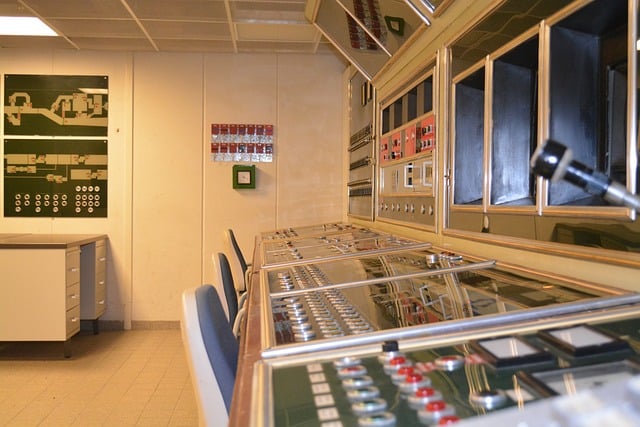
In conjunction with CMMS, condition-based maintenance (CBM) enhances the effectiveness of maintenance strategies. Unlike traditional time-based maintenance, CBM utilizes real-time data from sensors and monitoring systems to assess the condition of equipment. By analyzing factors such as vibration, temperature, and fluid analysis, CBM can predict potential failures before they occur. This predictive capability not only prevents unexpected downtime but also extends the lifespan of critical assets.
Implementing CMMS and CBM in government facilities transforms maintenance from a reactive cost center into a strategic asset management tool. By prioritizing maintenance activities based on actual equipment condition and usage patterns, agencies can allocate resources more effectively. This approach not only reduces operational costs but also improves overall reliability and safety across facilities.
Moreover, the integration of these technologies fosters a culture of continuous improvement and efficiency within government maintenance operations. By harnessing data-driven insights, agencies can make informed decisions that optimize asset performance and support sustainable budget management.
Adopting CMMS and condition-based maintenance strategies empowers government agencies to achieve cost-effective maintenance excellence. By embracing technology-driven solutions, agencies can enhance service delivery, minimize downtime, and maximize the longevity of critical infrastructure. This proactive approach ensures that public assets operate reliably and efficiently, supporting the broader goals of effective governance and public service.
From Reactive to Proactive: CMMS Implementation in Government Maintenance
In the past, government maintenance operations often operated reactively, addressing issues only after they arose. This approach led to inefficiencies, budget overruns, and prolonged downtime, impacting public services and infrastructure reliability. However, with the advent of CMMS, governments now have a powerful tool to shift towards proactive maintenance practices.

A CMMS enables government agencies to schedule maintenance tasks in advance based on real-time data and historical performance records. By centralizing asset information, work orders, and maintenance histories, CMMS software empowers maintenance teams to predict equipment failures before they occur. This proactive approach minimizes unexpected breakdowns, extends asset lifespan, and reduces overall operational costs.
Moreover, CMMS systems enhance accountability and transparency within government maintenance operations. Managers can monitor maintenance activities in real-time, track resource allocation, and ensure compliance with regulatory standards. This level of oversight fosters efficiency and boosts public trust by demonstrating responsible stewardship of taxpayer funds.
The benefits of CMMS implementation extend beyond operational improvements. Government agencies can now prioritize preventive maintenance to uphold public safety and service continuity. By identifying and addressing potential issues proactively, CMMS helps prevent disruptions in essential services such as transportation, utilities, and public facilities.
Transitioning from reactive to proactive maintenance through CMMS implementation empowers government agencies to optimize asset management, enhance operational efficiency, and deliver reliable public services. By harnessing the power of data-driven insights, governments can meet the evolving needs of their communities while ensuring sustainable infrastructure management for future generations.
Optimizing Asset Performance: CMMS and Condition Monitoring in Government Operations
CMMS software serves as the backbone of asset management in government settings. It allows agencies to schedule and track maintenance activities systematically. Imagine it as a digital command center where every aspect of asset upkeep is meticulously organized and monitored. From routine inspections to major repairs, CMMS ensures that no maintenance task goes unnoticed, thereby extending the lifespan of valuable government assets.
Condition monitoring complements CMMS by providing real-time insights into the health of assets. It involves using sensors and data analytics to continuously assess equipment performance. This proactive approach allows agencies to detect potential issues before they escalate into costly failures. It’s like having a team of dedicated specialists monitoring each asset around the clock, ready to intervene at the first sign of trouble.
Together, CMMS and condition monitoring create a synergy that enhances operational efficiency and reduces downtime in government operations. By integrating these technologies, agencies can streamline workflows, allocate resources more effectively, and ultimately deliver better services to the public.
Moreover, the benefits extend beyond operational improvements. Cost savings are significant as agencies can better budget for maintenance and avoid unexpected expenses associated with emergency repairs. Imagine the savings that can be reinvested into other critical areas like infrastructure development or community services.
Furthermore, enhanced asset reliability translates into increased public trust. When citizens see that their tax dollars are being used efficiently to maintain public facilities and equipment, it fosters a positive perception of government accountability and stewardship. It’s akin to maintaining a well-oiled machine that not only performs reliably but also instills confidence in those it serves.
Transforming Government Infrastructure: The Role of CMMS in Condition-Based Maintenance
Condition-based maintenance (CBM) is revolutionizing how government infrastructure is managed and maintained. At the heart of this transformation lies Computerized Maintenance Management Systems (CMMS), playing a pivotal role in optimizing asset management strategies. CMMS integrates data-driven insights with maintenance activities, shifting from traditional reactive approaches to proactive and predictive maintenance paradigms.
In essence, CMMS harnesses the power of real-time data to monitor the health of critical infrastructure components. By continuously analyzing equipment performance metrics such as vibration levels, temperature fluctuations, and operational efficiency, CMMS enables maintenance teams to detect potential issues before they escalate into costly failures. This proactive approach not only minimizes downtime but also extends the lifespan of assets, ensuring optimal operational efficiency.
Moreover, CMMS facilitates comprehensive asset tracking and management. Government agencies can maintain detailed records of each asset’s maintenance history, including service schedules, repairs, and replacements. This centralized database streamlines compliance with regulatory requirements and enhances accountability in asset management practices.
The implementation of CBM supported by CMMS brings tangible benefits to government infrastructure. It allows for precise budget forecasting by eliminating unexpected repair costs through predictive analytics. By prioritizing maintenance activities based on actual asset conditions rather than arbitrary schedules, CMMS maximizes resource allocation and operational uptime.
The adoption of CMMS for condition-based maintenance marks a significant advancement in government infrastructure management. By leveraging advanced data analytics and automation, CMMS empowers agencies to achieve greater reliability, efficiency, and cost-effectiveness in maintaining critical public assets. As technology continues to evolve, CMMS will undoubtedly play an increasingly pivotal role in shaping the future of infrastructure maintenance strategies.
Frequently Asked Questions
What are the key benefits of using CMMS for condition-based maintenance in governmental settings?
Learn about the advantages of using CMMS for condition-based maintenance in governmental settings. Discover how CMMS enhances equipment reliability, reduces downtime, optimizes maintenance scheduling, and ensures compliance with regulatory standards.
What role does predictive maintenance play in CMMS for government agencies?
Predictive maintenance in CMMS (Computerized Maintenance Management Systems) for government agencies optimizes equipment upkeep by using data analytics to predict failures before they occur. This proactive approach minimizes downtime, extends asset lifespan, and reduces maintenance costs, ensuring reliable operation of critical infrastructure.
How does CMMS help government organizations optimize maintenance schedules?
Discover how CMMS (Computerized Maintenance Management System) aids government organizations in optimizing maintenance schedules efficiently.
What is CMMS and how does it facilitate condition-based maintenance in government?
Learn what CMMS (Computerized Maintenance Management System) is and how it streamlines condition-based maintenance in government settings. Discover its role in enhancing asset reliability, minimizing downtime, and optimizing maintenance schedules through data-driven insights and automated workflows.
How can CMMS software improve asset reliability and performance in government facilities?
Learn how CMMS software enhances asset reliability and performance in government facilities by streamlining maintenance operations, ensuring timely repairs, and optimizing asset lifecycle management.


