


Ever wondered how technology could be a game-changer when it comes to workplace safety? Let’s delve into the world of CMMS and discover how this innovative system can significantly enhance safety protocols in any organization.
Imagine this: You walk into a factory bustling with activity. Machines humming, workers moving swiftly – it’s a picture of productivity. But behind this efficiency lies a crucial aspect often overlooked – safety. This is where a CMMS steps in like a vigilant guardian.
CMMS isn’t just about scheduling maintenance tasks or managing work orders; it’s about creating a culture of safety. Picture it as your virtual safety supervisor, always on the lookout for potential hazards and ensuring everything runs smoothly.
One of the most critical features of a CMMS is its ability to schedule regular inspections and maintenance checks. By keeping equipment in optimal condition, it reduces the risk of unexpected breakdowns that could lead to accidents. Think of it as giving your machinery regular health check-ups to prevent any surprises down the line.
But that’s not all. CMMS also centralizes safety-related data. From equipment manuals to safety procedures, everything is stored in one accessible place. No more scrambling through files or searching in different systems – it’s all there at your fingertips. This centralized approach not only saves time but also ensures that everyone has access to updated safety protocols.

Moreover, CMMS can track safety-related metrics and generate insightful reports. Want to know how many maintenance tasks were completed last month? Or how many safety incidents were reported in a specific area? CMMS provides actionable insights that help in identifying trends and taking proactive measures.
Imagine a workplace where every employee feels confident about their safety. With CMMS, you’re not just managing assets – you’re safeguarding lives. It’s like having a dedicated safety expert working silently in the background, ensuring that every aspect of your workplace is optimized for safety.
The integration of a CMMS is more than just an upgrade to your maintenance strategy; it’s a commitment to prioritizing safety. By streamlining processes, centralizing information, and providing real-time insights, CMMS empowers organizations to create safer work environments where everyone can thrive.
Preventive Maintenance Revolution: How CMMS Systems Are Redefining Workplace Safety
In today’s fast-paced industrial landscape, ensuring workplace safety is not just a priority but a necessity. This is where CMMS (Computerized Maintenance Management Systems) come into play, revolutionizing preventive maintenance practices across various industries. But what exactly are CMMS systems and how do they enhance workplace safety?
CMMS systems are powerful tools that streamline maintenance operations by automating workflows, scheduling preventive maintenance tasks, and managing assets efficiently. Imagine a digital assistant dedicated to keeping your equipment in top shape, preventing breakdowns before they occur. That’s the essence of CMMS.
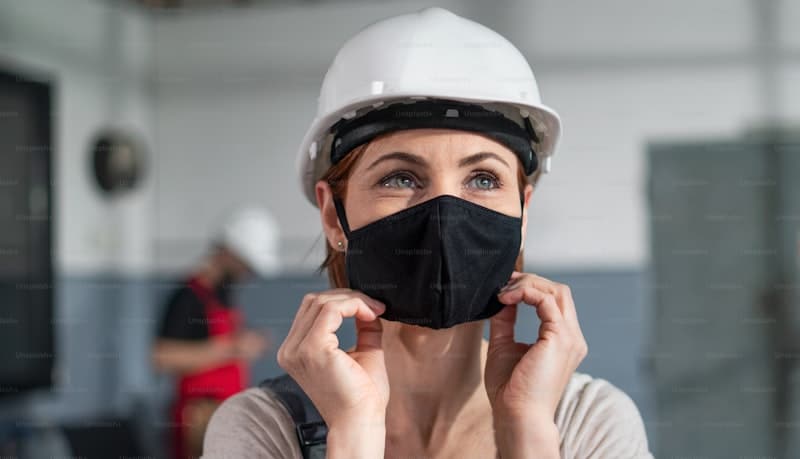
One of the key ways CMMS systems redefine workplace safety is through proactive maintenance scheduling. Instead of reacting to equipment failures, which can pose safety risks and halt productivity, CMMS allows maintenance teams to schedule regular inspections and repairs based on real-time data and predictive analytics. This proactive approach minimizes downtime, reduces the likelihood of accidents, and extends the lifespan of critical machinery.
Moreover, CMMS systems enable comprehensive asset tracking and management. Every piece of equipment, from machinery to safety devices, can be cataloged within the system. This ensures that all assets are maintained according to manufacturer specifications and regulatory standards, further enhancing workplace safety compliance.
Another significant benefit is the centralization of data and documentation. CMMS platforms store maintenance histories, inspection reports, and compliance documentation in one accessible location. This not only improves operational transparency but also facilitates audits and regulatory inspections effortlessly.
In essence, CMMS systems are not just tools for maintenance teams; they are catalysts for a preventive maintenance revolution. By leveraging technology to preemptively address equipment issues and uphold safety protocols, businesses can create a safer, more efficient work environment. As industries continue to evolve, embracing CMMS systems will undoubtedly be crucial in fostering workplace safety and operational excellence.
From Risk Management to Incident Prevention: Harnessing CMMS for Workplace Safety
Imagine a tool that not only keeps your equipment running smoothly but also acts as a guardian against potential risks. CMMS software does exactly that by streamlining maintenance processes and proactively identifying potential hazards before they escalate into incidents. It’s like having a vigilant sentry watching over your operations, continuously assessing risks and flagging areas that need attention.
One of the key strengths of CMMS in safety lies in its ability to centralize data. By storing information on equipment maintenance history, inspection schedules, and safety protocols in one accessible platform, CMMS ensures that maintenance teams and safety officers have real-time visibility into critical data. This centralized approach not only improves operational efficiency but also empowers proactive decision-making to prevent accidents before they occur.
Furthermore, CMMS facilitates compliance with safety regulations by automating documentation and reporting processes. This reduces administrative burden and minimizes the risk of oversight, ensuring that all safety protocols are meticulously followed and documented.
Another compelling aspect of CMMS is its role in fostering a culture of safety within organizations. By promoting regular maintenance and safety checks, CMMS encourages a proactive approach to risk management among employees. It shifts the focus from reactive firefighting to proactive prevention, creating a safer work environment where everyone plays a role in identifying and mitigating risks.
CMMS: The Silent Guardian of Workplace Safety
CMMS isn’t just a fancy software; it’s the backbone of proactive maintenance strategies. It keeps track of everything from routine inspections to complex repairs, all in a seamless digital interface. Imagine it as a well-oiled machine itself, orchestrating maintenance tasks with precision and efficiency.
One of the key roles of CMMS is preventive maintenance. It preemptively identifies potential equipment failures before they occur, saving businesses from costly downtime and safety hazards. By scheduling regular inspections and servicing, CMMS helps maintain a safe working environment where risks are minimized.
But its influence extends beyond just maintenance schedules. CMMS holds a treasure trove of data on equipment history and performance. This data isn’t just numbers; it’s actionable insights that empower decision-making. It enables managers to allocate resources effectively, prioritize critical repairs, and optimize workflows—all essential elements in ensuring workplace safety.
Moreover, CMMS acts as a repository of compliance documentation. In industries governed by strict regulations, maintaining up-to-date records is non-negotiable. CMMS ensures that every inspection report, service log, and compliance certificate is readily accessible, easing audits and demonstrating adherence to safety standards.
In essence, CMMS quietly but effectively transforms maintenance operations. It’s the unsung hero that prevents accidents, prolongs equipment lifespan, and keeps operations running smoothly. Next time you walk through a factory floor or a facility, remember, behind the scenes, CMMS is the silent guardian ensuring safety and reliability, one maintenance task at a time.
Real-Time Insights, Real-Time Safety: Unveiling CMMS Benefits in Workplaces
Imagine having the ability to monitor equipment health, schedule preventive maintenance, and track work orders seamlessly—all from a single platform. CMMS makes this possible by digitizing maintenance operations, thereby reducing downtime and optimizing resource allocation. By centralizing maintenance data, it enables quick decision-making based on real-time information, ensuring that equipment operates at peak performance levels.
One of the standout benefits of CMMS is its capability to enhance workplace safety. By systematically managing maintenance tasks and ensuring timely inspections, CMMS helps prevent equipment failures that could lead to accidents or injuries. It also facilitates compliance with safety regulations by maintaining accurate records of maintenance activities and inspections.
Furthermore, CMMS fosters a proactive maintenance approach rather than a reactive one. By identifying potential issues early on through predictive analytics and IoT integrations, companies can address them before they escalate into costly problems. This predictive capability not only saves time and money but also contributes to a safer working environment for employees.
In essence, CMMS isn’t just a tool for maintenance management; it’s a catalyst for operational excellence and workplace safety. It empowers organizations to stay ahead in today’s competitive landscape by leveraging real-time insights to make informed decisions. Whether it’s minimizing equipment downtime, optimizing maintenance schedules, or ensuring regulatory compliance, CMMS proves invaluable in safeguarding both productivity and safety in the modern workplace.
Beyond Efficiency: Exploring the Safety Advantages of CMMS Systems
In today’s fast-paced industrial landscape, ensuring workplace safety goes hand in hand with operational efficiency. CMMS (Computerized Maintenance Management Systems) are not just about streamlining maintenance tasks; they also play a crucial role in enhancing safety protocols across various industries.
One of the key safety advantages of CMMS systems lies in their ability to schedule preventive maintenance tasks proactively. By maintaining equipment at optimal performance levels, CMMS helps prevent unexpected breakdowns that could pose safety hazards. Imagine a factory floor where machines are regularly inspected and serviced based on data-driven schedules—this proactive approach minimizes the risk of accidents caused by equipment failures.
Moreover, CMMS systems facilitate comprehensive asset management, ensuring that all equipment is properly tracked, inspected, and compliant with safety regulations. This centralized control over assets allows businesses to identify potential safety risks early on and take corrective actions promptly. For instance, if a piece of equipment shows signs of wear that could compromise safety, CMMS alerts maintenance teams to intervene before any incident occurs.
Furthermore, the documentation capabilities of CMMS systems play a pivotal role in safety audits and regulatory compliance. These systems maintain detailed records of maintenance activities, inspections, and equipment history, which are invaluable during safety inspections. By providing auditors with accurate, up-to-date information, CMMS systems help organizations demonstrate their commitment to safety and adherence to industry standards.
In essence, while CMMS systems are renowned for their efficiency in optimizing maintenance operations, their impact on safety cannot be overstated. By integrating preventive maintenance, asset management, and robust documentation capabilities, CMMS systems contribute significantly to creating safer work environments across diverse sectors.
Frequently Asked Questions
How can a CMMS contribute to reducing workplace accidents and injuries
Learn how a Computerized Maintenance Management System (CMMS) can significantly reduce workplace accidents and injuries by ensuring timely equipment maintenance, facilitating regular inspections, promoting compliance with safety protocols, and enhancing overall workplace safety awareness.
Can a CMMS improve compliance with safety regulations and standards
Learn how a CMMS can enhance compliance with safety regulations and standards by streamlining maintenance processes, ensuring timely inspections, and facilitating comprehensive documentation.
In what ways does using a CMMS promote a proactive safety culture
Learn how using a CMMS promotes a proactive safety culture by enabling regular equipment maintenance scheduling, quick identification of potential hazards, and seamless communication across teams for prompt resolution of safety issues.
How does a CMMS help in preventing equipment failures that could pose safety risks
Learn how a CMMS (Computerized Maintenance Management System) plays a crucial role in preventing equipment failures that could lead to safety risks. Discover how proactive maintenance scheduling and real-time monitoring ensure equipment reliability and enhance workplace safety.
What are the key safety benefits of implementing a CMMS
Discover the essential safety advantages of adopting a CMMS system. Learn how CMMS enhances workplace safety through streamlined maintenance scheduling, proactive equipment inspections, and rapid response to maintenance needs. Ensure regulatory compliance and mitigate risks with comprehensive data tracking and analysis provided by CMMS.


