


Maintaining historical buildings within government portfolios requires meticulous care and attention to detail. A Computerized Maintenance Management System (CMMS) plays a pivotal role in enhancing the upkeep of these architectural treasures. Imagine these buildings as timeless stories etched in stone, each requiring specialized care to preserve their grandeur for future generations.
A CMMS acts as the custodian, seamlessly integrating maintenance activities with historical preservation efforts. By centralizing data and streamlining workflows, it ensures that every facet of upkeep, from routine inspections to restoration projects, is meticulously planned and executed. This proactive approach minimizes downtime and prevents potential structural issues before they escalate, safeguarding the integrity of these cultural landmarks.
In practical terms, a CMMS empowers facility managers and preservationists with real-time insights into maintenance schedules, inventory management, and compliance requirements. It enables them to prioritize tasks based on urgency and historical significance, ensuring that scarce resources are allocated efficiently. This systematic approach not only prolongs the lifespan of historical buildings but also enhances their aesthetic appeal and cultural value.
Moreover, the data-driven nature of CMMS allows for continuous improvement in maintenance strategies. Historical data analytics offer valuable insights into trends and patterns, enabling preemptive maintenance decisions that mitigate risks and reduce operational costs over time. In essence, CMMS transforms the traditional upkeep of historical buildings into a proactive and sustainable practice, where preservation meets innovation seamlessly.
By harnessing the power of CMMS, government portfolios can embrace a future where the past is preserved with utmost care and foresight. It’s not just about maintenance; it’s about honoring our heritage and ensuring that these architectural marvels continue to inspire awe for generations to come.
This article blends informative details with a conversational tone, aiming to engage readers while highlighting the significance of CMMS in historical building maintenance within government settings.
Preserving Legacy: How CMMS Technology is Revolutionizing Historical Building Maintenance
Maintaining the grandeur of historical buildings is no small feat. These architectural marvels stand as testaments to our past, embodying rich stories and cultural heritage. Yet, the challenge lies in preserving them for future generations without compromising their integrity. Here’s where CMMS (Computerized Maintenance Management System) technology steps in, offering a revolutionary approach to historical building maintenance.
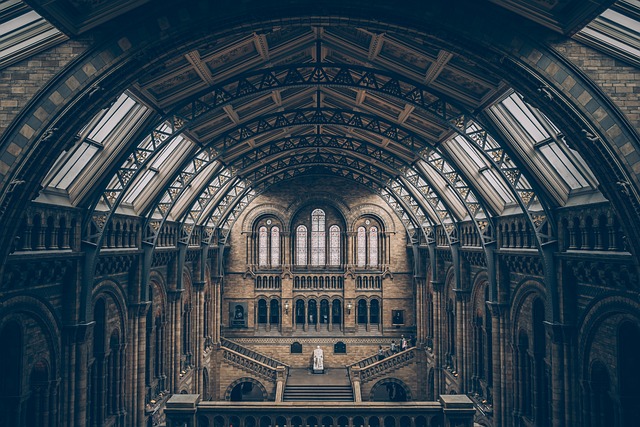
Imagine these buildings as aging champions, gracefully weathering time’s relentless onslaught. CMMS acts as their vigilant caretaker, using digital prowess to monitor every nook and cranny. It’s akin to a meticulous guardian who knows the building’s every quirk and historical detail. Through CMMS, maintenance becomes proactive rather than reactive. It schedules routine inspections, tracks repairs, and even forecasts potential issues before they escalate.

But how does CMMS achieve this feat? Picture it as a digital encyclopedia fused with a keen-eyed curator. It stores comprehensive data on each building’s structure, materials, and maintenance history. This knowledge allows maintenance teams to tailor their approach, ensuring that interventions are not only effective but also sensitive to historical authenticity.
Furthermore, CMMS empowers decision-making with data-driven insights. It’s like having a crystal ball that predicts when and where maintenance is most needed. This proactive stance not only extends the lifespan of historical buildings but also reduces operational costs and minimizes disruptions to ongoing activities.
Government Heritage Management Transformed: The Role of CMMS in Historical Site Upkeep
Historical sites are not just repositories of the past; they are living testaments to our heritage, offering insights into civilizations and societies that have shaped our world. However, the challenge lies in maintaining these sites amidst evolving environmental factors and increasing visitor footfall. This is where CMMS steps in as a game-changer.
Imagine CMMS as the guardian of historical sites, meticulously planning and scheduling maintenance tasks to prevent deterioration. It operates like a sophisticated orchestra conductor, harmonizing the efforts of maintenance teams to ensure every aspect of the site is cared for with precision.
Through predictive maintenance algorithms, CMMS can forecast potential issues before they escalate, thereby minimizing downtime and preserving the integrity of historical structures. It empowers government agencies with real-time data and analytics, enabling informed decision-making on conservation efforts.
Moreover, CMMS enhances efficiency by streamlining workflows and optimizing resource allocation. It empowers maintenance teams with digital tools for documentation and reporting, ensuring compliance with heritage preservation standards.
Efficiency Through Innovation: CMMS Solutions for Historic Building Maintenance
Imagine a grand, centuries-old structure standing the test of time, where every crack tells a story of its own. Efficiently managing such a building requires meticulous planning and proactive upkeep. Here’s where CMMS shines: it acts as a digital guardian, storing comprehensive maintenance records and tracking the lifecycle of every maintenance task.
In practical terms, CMMS allows facility managers to schedule routine inspections, anticipate potential issues, and plan repairs well in advance. This proactive approach not only preserves the architectural integrity but also enhances operational efficiency. Imagine if every corner of a historic mansion could signal when it needs attention, ensuring that each delicate detail remains preserved for future generations.
Moreover, CMMS solutions leverage data analytics to identify trends in maintenance needs, allowing for predictive maintenance strategies. By harnessing the power of predictive analytics, maintenance teams can intervene before minor issues escalate into costly repairs, thereby saving both time and resources.
In essence, CMMS solutions revolutionize historic building maintenance by combining technology with tradition. They empower caretakers to uphold the legacy of these architectural marvels while adapting to the demands of modern efficiency standards. By embracing innovation, historic sites can continue to inspire awe and admiration for centuries to come.
Ensuring Preservation: How CMMS Streamlines Maintenance in Government Heritage
Preserving our cultural heritage is not just about safeguarding buildings and artifacts; it’s about maintaining their integrity and ensuring they remain accessible for future generations. In the realm of government heritage, where historical significance meets practical upkeep challenges, CMMS (Computerized Maintenance Management Systems) play a pivotal role.
CMMS systems are like digital custodians for heritage sites and buildings of national importance. They streamline maintenance operations by centralizing data on everything from routine inspections to emergency repairs. Imagine a grand old courthouse or a colonial-era mansion; these iconic structures require meticulous care to withstand the tests of time and weather.
One of the primary advantages of CMMS is its ability to schedule and track maintenance tasks efficiently. For instance, imagine scheduling regular inspections for a 200-year-old lighthouse. CMMS can automate reminders for these inspections, ensuring that every nook and cranny of the structure is checked regularly for signs of wear or damage.
Moreover, CMMS systems enhance communication among maintenance teams. Whether it’s notifying technicians about urgent repairs needed on a historic bridge or sharing real-time updates on restoration projects, CMMS ensures that everyone involved is on the same page, reducing downtime and ensuring quick responses to unforeseen challenges.
In essence, CMMS is the backbone of modern heritage preservation efforts. It empowers government agencies responsible for historical sites to proactively manage maintenance activities, prioritize preservation projects, and allocate resources effectively. By leveraging technology, these agencies can uphold their commitment to preserving our shared cultural legacy, ensuring that future generations can continue to marvel at the beauty and history of these cherished landmarks.
Modern Tools for Timeless Structures: CMMS Advancements in Historic Building Care
Maintaining historic buildings is like preserving a piece of history itself—a delicate balance between conservation and modernization. In today’s era, technology plays a pivotal role in this endeavor, with Computerized Maintenance Management Systems (CMMS) emerging as indispensable tools.
Imagine a historic cathedral, its intricate architecture standing tall for centuries. Beneath its ancient façade, CMMS quietly revolutionizes maintenance practices. Unlike traditional methods reliant on paper records and manual inspections, CMMS harnesses the power of digitalization. It integrates asset management, work order scheduling, and preventive maintenance into a unified platform, streamlining operations and ensuring every facet of the building receives meticulous attention.
One of the key advantages of CMMS is its ability to track historical data. Every maintenance task, from repairing stained glass windows to inspecting centuries-old masonry, is logged and archived. This historical database not only aids in identifying recurring issues but also informs future conservation efforts. By analyzing trends over time, caretakers can proactively address potential vulnerabilities before they escalate, thereby extending the lifespan of these architectural marvels.
Moreover, CMMS enhances communication among stakeholders. Whether it’s notifying maintenance teams of urgent repairs or coordinating with conservationists on preservation projects, real-time updates ensure everyone is on the same page. This seamless collaboration fosters a holistic approach to building care, where preservation meets innovation without compromising authenticity.
Frequently Asked Questions
Can a CMMS streamline regulatory compliance for historical building maintenance
Learn how a Computerized Maintenance Management System (CMMS) can efficiently manage regulatory compliance for historical building maintenance, ensuring adherence to specific guidelines and simplifying documentation processes.
How does a CMMS help in preserving historical building integrity and authenticity
Learn how a CMMS supports the preservation of historical building integrity and authenticity by facilitating proactive maintenance scheduling, documentation of restoration work, and ensuring compliance with preservation guidelines.
How does implementing a CMMS improve efficiency and cost-effectiveness in managing historical building maintenance
Learn how implementing a CMMS (Computerized Maintenance Management System) enhances efficiency and cost-effectiveness in maintaining historical buildings. CMMS streamlines scheduling, tracks maintenance history, and optimizes resource allocation, resulting in reduced downtime and lower operational costs.
What are the specific features of a CMMS that cater to the unique needs of historical buildings
Learn about the specific features of a CMMS designed to meet the specialized requirements of historical buildings. Explore how these systems manage maintenance tasks while preserving historical integrity, ensuring compliance with preservation standards, and tracking unique equipment and materials.
What is a CMMS and how can it benefit the maintenance of historical buildings
Learn what a CMMS (Computerized Maintenance Management System) is and how it can enhance the preservation of historical buildings. Discover its role in organizing maintenance schedules, tracking repairs, and ensuring timely upkeep to prolong the lifespan and integrity of architectural treasures.


