


Imagine a construction site buzzing with activity: cranes lifting heavy loads, workers maneuvering materials, and the HVAC systems quietly ensuring comfort amidst the chaos. In this dynamic environment, maintaining these HVAC systems is crucial for efficiency and worker well-being. This is where a Computerized Maintenance Management System (CMMS) steps in, transforming how these systems are managed.
HVAC systems in construction facilities endure rigorous conditions, from dust and debris to constant operation demands. A CMMS acts as the ultimate organizer, scheduling and tracking maintenance tasks seamlessly. It keeps a meticulous record of each HVAC unit’s maintenance history, from routine filter changes to complex repairs, ensuring no detail is overlooked.
One of the CMMS’s superpowers lies in predictive maintenance. By analyzing data and performance trends, it forecasts when components might fail, allowing proactive repairs before issues escalate. This predictive capability not only prevents unexpected downtime but also saves costs by replacing parts at optimal intervals.
Furthermore, CMMS streamlines communication between maintenance teams and supervisors. Through mobile access, technicians receive real-time updates on work orders, enabling them to respond swiftly to HVAC issues onsite. Supervisors, in turn, gain visibility into maintenance progress, facilitating informed decisions for resource allocation.
In essence, a CMMS is like a reliable conductor orchestrating a symphony of HVAC maintenance tasks. It harmonizes preventive maintenance schedules, predictive insights, and real-time updates, ensuring that construction facilities operate smoothly and sustainably. By leveraging technology to enhance maintenance practices, CMMS empowers construction teams to focus on their core tasks while fostering a comfortable and productive work environment.
This article emphasizes the role of CMMS in optimizing HVAC maintenance in construction settings, blending technical insights with a conversational tone to engage readers effectively.
Optimizing HVAC Maintenance: The Impact of CMMS in Construction
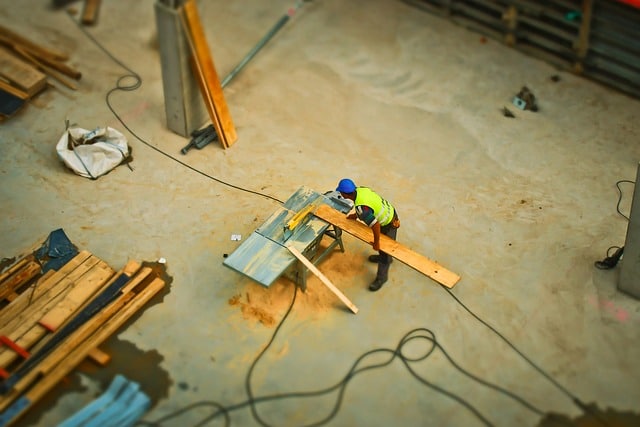
Imagine CMMS as the conductor of a symphony, harmonizing various elements of HVAC maintenance into a seamless performance. It acts as the central hub where technicians, equipment data, and maintenance schedules converge, ensuring that every component operates in perfect sync. By digitizing workflows and automating routine tasks, CMMS reduces downtime and enhances productivity, thereby minimizing disruptions to construction schedules.
In the fast-paced world of construction, time is money. CMMS optimizes HVAC maintenance schedules, preemptively flagging potential issues before they escalate into costly problems. This proactive approach not only extends the lifespan of HVAC systems but also safeguards against unexpected breakdowns that could halt construction progress.
Moreover, CMMS empowers construction managers with actionable insights derived from real-time data. It tracks maintenance history, analyzes trends, and predicts future maintenance needs based on performance metrics. This foresight enables decision-makers to allocate resources efficiently, prioritize critical tasks, and maintain compliance with industry regulations.
Furthermore, CMMS fosters transparency and accountability across the maintenance process. Through detailed documentation and audit trails, stakeholders can trace every action taken, ensuring that all maintenance activities adhere to safety standards and project requirements.
Efficiency Boost: CMMS Revolutionizing HVAC Maintenance in Construction
In the realm of construction, maintaining HVAC systems has traditionally been a complex and time-consuming task. However, with the advent of Computerized Maintenance Management Systems (CMMS), this process has undergone a revolutionary transformation.
CMMS software enables construction companies to streamline their HVAC maintenance operations like never before. By centralizing data and automating routine tasks, CMMS platforms empower maintenance teams to enhance efficiency and minimize downtime. Imagine a scenario where instead of manually tracking maintenance schedules and inventory, technicians receive automated alerts for preventive maintenance tasks. This proactive approach not only prevents costly breakdowns but also extends the lifespan of HVAC equipment.
Moreover, CMMS solutions provide real-time insights into equipment performance and energy usage, allowing construction managers to make data-driven decisions. For instance, through detailed analytics, they can identify trends, optimize maintenance schedules, and allocate resources more effectively. This level of strategic planning not only saves time and money but also improves overall project productivity.
The impact of CMMS on HVAC maintenance in construction extends beyond operational efficiency. It fosters a safer work environment by ensuring equipment reliability and compliance with regulatory standards. By integrating with IoT sensors and predictive maintenance technologies, CMMS further enhances the accuracy and reliability of maintenance predictions.
In essence, CMMS is not just a tool; it’s a catalyst for transformation within the construction industry. It empowers teams to move from reactive to proactive maintenance strategies, optimizing every aspect of HVAC management. As construction projects become more complex and deadlines tighter, CMMS emerges as a vital ally in achieving operational excellence and delivering projects on time and within budget.
This shift towards digital maintenance solutions underscores the industry’s commitment to innovation and efficiency. With CMMS leading the charge, the future of HVAC maintenance in construction looks brighter than ever before.
Streamlining Construction HVAC: The Role of CMMS in Maintenance
In the realm of construction, maintaining HVAC systems is crucial for optimal building comfort and operational efficiency. HVAC (Heating, Ventilation, and Air Conditioning) systems play a pivotal role in regulating indoor climate, ensuring comfort for occupants while also preserving the integrity of materials and equipment within the building. However, managing HVAC maintenance in large-scale construction projects can be complex and challenging without the right tools and strategies in place.
This is where CMMS (Computerized Maintenance Management Systems) step in as indispensable assets. CMMS platforms are designed to streamline maintenance operations by centralizing data, scheduling tasks, and optimizing workflows. They act as virtual command centers, enabling maintenance teams to monitor HVAC systems proactively, detect issues early, and plan maintenance activities efficiently.
Imagine CMMS as the conductor of a symphony, harmonizing various maintenance tasks into a cohesive performance. Just as a conductor ensures each instrument plays its part in perfect timing, CMMS coordinates maintenance schedules, tracks equipment performance metrics, and alerts technicians to potential issues before they escalate. This orchestration not only enhances operational efficiency but also reduces downtime and extends the lifespan of HVAC systems.
Furthermore, CMMS platforms leverage data analytics to provide insights into HVAC system performance trends. They analyze data points such as energy consumption, temperature variations, and equipment runtime to optimize system settings and predict maintenance needs. This proactive approach transforms HVAC maintenance from reactive fire-fighting to strategic planning, ensuring that buildings operate at peak efficiency year-round.
In essence, integrating CMMS into construction HVAC maintenance is akin to having a skilled navigator guiding a ship through unpredictable waters. It empowers maintenance teams with the foresight and tools needed to navigate challenges seamlessly, ultimately delivering superior comfort and operational reliability to building occupants.
This article provides an overview of how CMMS enhances HVAC maintenance in construction projects, using engaging language and analogies to illustrate its importance and benefits.
Smart Maintenance Solutions: CMMS and HVAC Systems in Construction
Imagine a construction site as a bustling ecosystem where every component needs to operate flawlessly. Here’s where CMMS steps in like a skilled conductor, orchestrating maintenance tasks with precision. It acts as a digital brain, storing critical data about HVAC equipment—like maintenance schedules, repair histories, and parts inventory—in one accessible place. This centralized approach not only enhances efficiency but also minimizes downtime by predicting issues before they escalate.

In the dynamic world of construction, downtime isn’t just an inconvenience; it’s a costly setback. CMMS transforms the game by preemptively identifying potential faults through data analysis, ensuring HVAC systems run at peak performance. Think of it as a proactive guardian, constantly monitoring equipment health and alerting technicians to anomalies before they cause disruptions.
Moreover, CMMS doesn’t just stop at predictive maintenance. It streamlines workflows by automating routine tasks, freeing up time for maintenance teams to focus on strategic projects. By optimizing maintenance schedules and resource allocation, CMMS maximizes operational efficiency while extending the lifespan of HVAC systems—a win-win for productivity and cost-effectiveness.
In essence, integrating CMMS into construction projects isn’t merely a choice but a strategic investment in efficiency and reliability. It empowers teams to tackle maintenance challenges head-on, ensuring that HVAC systems operate smoothly throughout the project lifecycle. In the fast-paced world of construction, where every minute counts, CMMS stands as a testament to the power of smart maintenance solutions in driving project success.
Cutting Costs and Downtime: CMMS Benefits for Construction HVAC
Imagine a bustling construction site where every minute counts. HVAC systems, crucial for maintaining optimal working conditions, often operate under heavy strain. With CMMS, contractors gain unprecedented control over maintenance schedules, predictive analytics, and resource allocation. This proactive approach prevents unexpected breakdowns by scheduling routine inspections and preemptively identifying potential issues.
CMMS software acts as a digital guardian, tracking equipment performance and flagging maintenance needs before they escalate. This foresight not only extends the lifespan of HVAC units but also slashes repair costs and reduces downtime. Imagine the savings when costly emergency repairs become a rarity rather than a norm.
Moreover, CMMS enhances workforce productivity by streamlining communication between technicians and managers. Real-time updates and mobile accessibility ensure that everyone remains on the same page, whether onsite or offsite. This seamless integration of data empowers decision-making based on actual performance metrics rather than guesswork.
In essence, CMMS transforms HVAC management from reactive firefighting to proactive strategizing. It’s like having a seasoned supervisor constantly monitoring each HVAC unit, predicting its needs, and optimizing its efficiency without missing a beat. This proactive stance not only saves money but also enhances overall project timelines, ensuring that deadlines are met with minimal disruptions.
For construction firms looking to stay ahead in a competitive market, integrating CMMS is not just advantageous; it’s essential. It’s the difference between merely managing HVAC systems and mastering them, achieving unprecedented efficiency and cost-effectiveness. With CMMS, construction HVAC becomes not just a necessity but a strategic asset driving project success.
Data-Driven HVAC Care: CMMS Tools Transform Construction Sites
Imagine a construction site bustling with activity, where HVAC systems play a critical role in maintaining optimal working conditions. Traditionally, managing these systems involved scheduled inspections and reactive repairs, often leading to downtime and inefficiencies. However, with CMMS tools, every aspect of HVAC care is streamlined and optimized.
These tools collect real-time data from HVAC units, monitoring performance metrics such as temperature variations, energy consumption, and operational statuses. By analyzing this data, construction managers can preemptively identify potential issues before they escalate, thereby reducing unexpected breakdowns and costly repairs.
Moreover, CMMS tools facilitate proactive maintenance scheduling based on actual equipment usage and environmental conditions. This predictive approach ensures that HVAC systems operate at peak efficiency, prolonging their lifespan and minimizing energy wastage. For instance, predictive analytics can forecast when filters need replacement or when components require servicing, optimizing the entire maintenance process.
In practical terms, this means smoother operations on construction sites. Workers can focus on their tasks without disruptions caused by HVAC malfunctions, while project managers have the confidence of reliable climate control systems that adapt to changing conditions seamlessly.
Frequently Asked Questions
What features should a CMMS have to effectively manage HVAC maintenance in construction facilities?
Learn about the essential features a CMMS should have to efficiently manage HVAC maintenance in construction facilities, ensuring optimal performance, timely repairs, and cost-effective operations.
How does CMMS software streamline scheduling and tracking of HVAC maintenance tasks?
Discover how CMMS software optimizes HVAC maintenance scheduling and tracking efficiently.
How does CMMS integration with IoT devices optimize HVAC system performance and maintenance?
Learn how integrating CMMS (Computerized Maintenance Management System) with IoT devices optimizes HVAC system performance and maintenance. Discover how real-time data from IoT sensors enables predictive maintenance, improves energy efficiency, and reduces downtime by preemptively identifying potential issues.
Can CMMS help reduce downtime and enhance efficiency in HVAC system maintenance?
Learn how CMMS (Computerized Maintenance Management Systems) can minimize downtime and boost efficiency in HVAC system maintenance.
What are the primary benefits of using CMMS for HVAC maintenance in construction sites?
Learn about the primary benefits of using CMMS (Computerized Maintenance Management System) for HVAC maintenance in construction sites. Discover how CMMS streamlines scheduling, enhances equipment reliability, reduces downtime, and improves overall efficiency.


