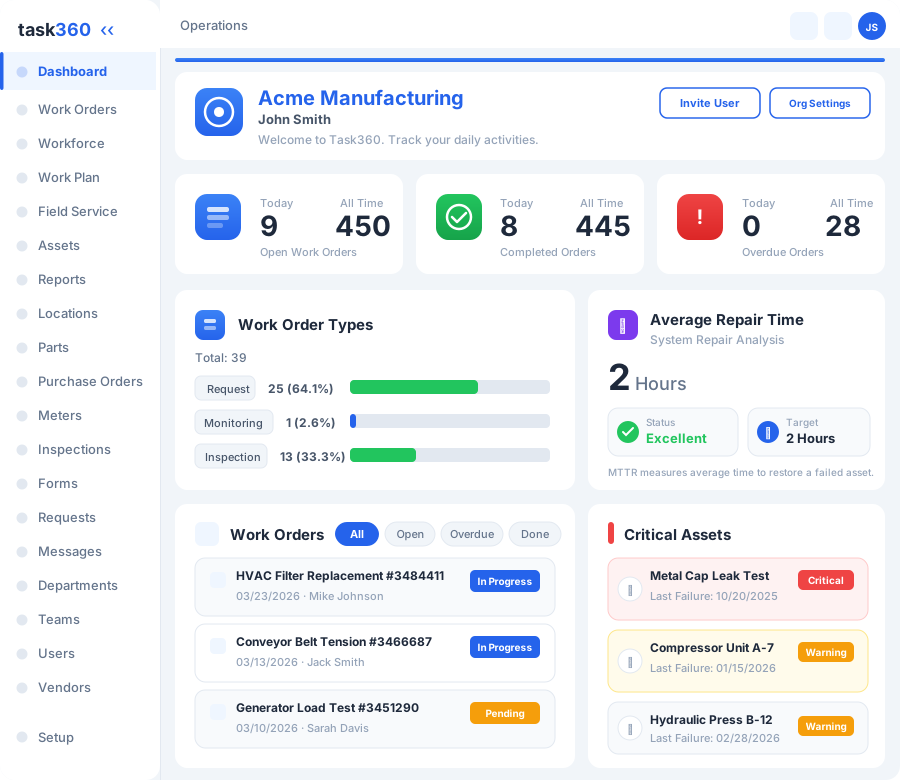
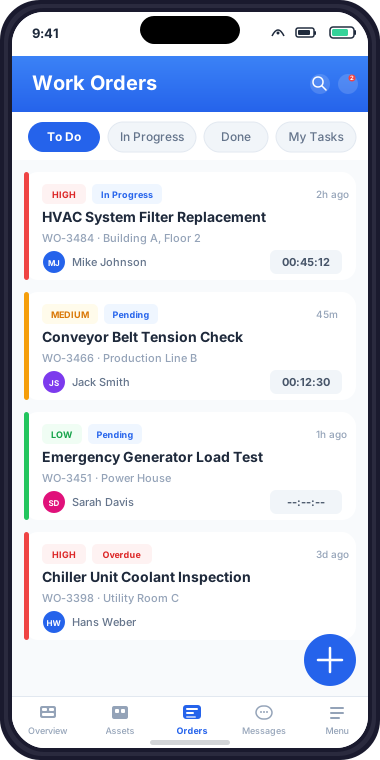
Imagine your pharmaceutical logistics operations as a complex puzzle where each piece needs to fit perfectly to achieve optimal results. A CMMS acts as the master puzzle solver by providing real-time data and insights into your maintenance and operational workflows. It integrates seamlessly with your existing systems to gather data on equipment performance, maintenance schedules, and resource availability.

By harnessing the power of a CMMS, pharmaceutical companies can significantly enhance their route planning and scheduling processes. Here’s how:

Firstly, a CMMS allows for proactive maintenance scheduling based on actual equipment usage and performance metrics. This means pharmaceutical logistics managers can anticipate maintenance needs and plan routes accordingly, minimizing downtime and ensuring that deliveries are never delayed due to unexpected equipment failures.

Secondly, route optimization becomes a breeze with a CMMS. It analyzes historical data and current operational parameters to suggest the most efficient routes for delivery vehicles. This not only reduces fuel costs but also ensures that pharmaceuticals reach their destinations faster and in optimal condition.

Moreover, CMMS platforms offer robust inventory management features that further enhance route planning. By maintaining accurate stock levels and tracking inventory movements in real-time, logistics managers can avoid overstocking or understocking issues that could disrupt delivery schedules.

Additionally, the predictive analytics capabilities of modern CMMS systems enable pharmaceutical companies to forecast demand more accurately. This foresight allows them to adjust route planning and scheduling proactively, ensuring that resources are allocated efficiently and customer demands are consistently met.

Integrating a CMMS into pharmaceutical logistics operations isn’t just about improving efficiency—it’s about revolutionizing how routes are planned and schedules are managed. By leveraging real-time data, predictive analytics, and proactive maintenance capabilities, companies can optimize their supply chain operations and deliver life-saving medications to those who need them most, precisely when they need them.

Streamlining Pharmaceutical Deliveries: The Impact of CMMS on Route Planning Efficiency

CMMS integrates various functionalities that enhance logistics management. By utilizing real-time data and predictive analytics, CMMS enables pharmaceutical companies to map out the most efficient delivery routes. This proactive approach minimizes delays and optimizes resource allocation, ultimately reducing costs associated with transportation and improving overall service reliability.

The impact of CMMS on route planning efficiency is profound. Imagine a scenario where pharmaceutical companies can anticipate potential issues before they occur. With CMMS, predictive maintenance schedules ensure that delivery vehicles are always in optimal condition, reducing the risk of breakdowns that could disrupt timely deliveries.

Furthermore, CMMS enhances fleet management by tracking vehicle performance metrics such as fuel consumption and mileage. This data allows companies to make informed decisions to streamline operations further. By leveraging historical route data and real-time traffic information, CMMS helps drivers navigate the most efficient paths, avoiding congested routes and optimizing delivery times.

In essence, CMMS revolutionizes pharmaceutical delivery logistics by combining technological advancements with practical application. It empowers companies to achieve operational excellence, meeting stringent delivery timelines while maintaining product integrity. By enhancing route planning efficiency, CMMS not only supports sustainable business practices but also reinforces the industry’s commitment to patient care and safety.

The future of pharmaceutical deliveries lies in leveraging advanced technologies like CMMS to adapt to evolving logistical challenges effectively. As the healthcare landscape continues to evolve, embracing innovations in route planning is paramount to ensure seamless delivery of vital medications to patients worldwide.

Optimizing Supply Chain Routes: CMMS Solutions for Pharmaceutical Logistics

Imagine a bustling hospital in need of urgent medications or vaccines. Time is of the essence, and any delay can impact patient care. This is where CMMS solutions shine bright, acting as the backbone of efficient supply chain routes. By integrating real-time data and predictive analytics, CMMS not only identifies the most optimal delivery routes but also anticipates maintenance needs of vehicles and equipment, minimizing downtime and ensuring reliability.

In essence, CMMS platforms act as the conductor of a symphony, harmonizing the movement of pharmaceutical goods from production facilities to distribution centers and ultimately to healthcare providers. They enable logistics managers to track shipments in real-time, adjust routes dynamically based on traffic or weather conditions, and proactively manage inventory levels.

Moreover, CMMS empowers pharmaceutical companies to comply with stringent regulatory requirements. From temperature-sensitive medications to controlled substances, every aspect of the supply chain must adhere to strict guidelines. CMMS ensures that transportation vehicles maintain optimal conditions, such as temperature and humidity, to preserve the integrity of these sensitive products.

In a world where every minute counts, CMMS solutions offer a competitive edge by reducing operational costs and enhancing customer satisfaction. By optimizing supply chain routes, pharmaceutical companies can achieve significant cost savings through fuel efficiency and reduced labor costs. Furthermore, streamlined routes contribute to a greener environment by minimizing carbon emissions associated with transportation.

Enhancing Pharmaceutical Distribution: The Role of CMMS in Efficient Route Scheduling

How can a CMMS improve route planning and scheduling in pharmaceutical logistics?

Efficient route scheduling in pharmaceutical distribution is crucial for ensuring medications reach patients promptly and safely. Imagine a scenario where a patient urgently needs their prescription filled; timely delivery can make all the difference. This is where Computerized Maintenance Management Systems (CMMS) step in, revolutionizing how routes are planned and executed.

CMMS integrates seamlessly with pharmaceutical distribution systems, acting like a digital brain that optimizes every step of the delivery process. It’s not just about planning routes; it’s about doing so intelligently. Picture it as a GPS on steroids, but instead of navigating roads, it navigates a labyrinth of medical needs and logistical challenges.

By harnessing real-time data and analytics, CMMS empowers pharmaceutical distributors to streamline operations. It considers variables like traffic patterns, delivery deadlines, and even weather conditions to chart the most efficient routes possible. Think of it as orchestrating a symphony where every note (or in this case, every delivery stop) is timed to perfection.

The impact of efficient route scheduling extends beyond mere convenience. It enhances patient care by ensuring medications arrive on schedule, preventing interruptions in treatment plans. Moreover, it optimizes fuel consumption and reduces carbon footprints, aligning with broader environmental goals.

In today’s fast-paced world, where every second counts, CMMS isn’t just a luxury but a necessity. It transforms pharmaceutical distribution from a logistical puzzle into a well-oiled machine. It’s like having a skilled conductor guiding an orchestra of delivery vehicles across the city, harmonizing speed, efficiency, and precision.

As technology evolves, so does the role of CMMS in pharmaceutical distribution. It adapts to new challenges and scales alongside growing demands. The future promises even more advancements, perhaps integrating AI to predict delivery bottlenecks before they occur.

Smart Solutions for Drug Delivery: Leveraging CMMS for Improved Route Planning

Imagine CMMS as the conductor orchestrating a seamless symphony of drug delivery. It’s not just about scheduling and maintenance; it’s about efficiency and reliability. CMMS integrates data from various sources—equipment status, inventory levels, personnel availability—and transforms it into actionable insights. This ensures that every delivery is not just on time, but optimized for the best route possible.

In the world of pharmaceuticals, time is not just money; it can be a matter of life and death. By utilizing CMMS, pharmaceutical companies can streamline their operations, reducing delivery times and costs while maintaining stringent quality standards. This means fewer delays, fewer errors, and ultimately, better patient outcomes.

Picture this: A pharmaceutical company needs to deliver critical medications across a city amidst unpredictable traffic patterns. With CMMS, the route planning algorithm takes into account real-time traffic updates, ensuring the delivery arrives precisely when needed. It’s like having a GPS navigator that knows the streets better than anyone else—always finding the quickest route, avoiding bottlenecks, and adapting to changes on the fly.

Moreover, CMMS doesn’t just optimize the route; it optimizes resources too. By coordinating maintenance schedules and tracking equipment performance, CMMS helps prevent breakdowns before they happen. This proactive approach means fewer disruptions and more reliable deliveries, keeping the supply chain flowing smoothly.

From Lab to Patient: CMMS Innovations Transforming Pharmaceutical Route Logistics

In today’s rapidly evolving pharmaceutical industry, the journey from laboratory discovery to patient delivery is undergoing a revolutionary transformation, thanks to the advent of Computerized Maintenance Management Systems (CMMS). These systems are not just streamlining operations but revolutionizing pharmaceutical route logistics in unprecedented ways.

Imagine a scenario where every step of a drug’s journey, from manufacturing facilities to distribution centers and finally to pharmacies or hospitals, is meticulously monitored and optimized in real-time. CMMS enables exactly that by integrating maintenance, planning, and scheduling into a cohesive digital platform. This integration ensures that pharmaceutical companies can maintain stringent regulatory compliance while optimizing efficiency across their supply chains.

How can a CMMS improve route planning and scheduling in pharmaceutical logistics?

One of the key benefits of CMMS in pharmaceutical route logistics is its ability to predict and prevent potential disruptions before they occur. By leveraging predictive maintenance algorithms, these systems can identify equipment failures or maintenance needs well in advance. This proactive approach not only minimizes downtime but also ensures that pharmaceutical products reach their destinations on time and in optimal condition.

Moreover, CMMS empowers pharmaceutical companies to enhance transparency and traceability throughout the supply chain. Every critical aspect, including inventory management, transportation schedules, and even environmental conditions during transit, can be monitored and recorded in real-time. This level of transparency not only ensures compliance with regulatory standards but also boosts consumer confidence in the safety and reliability of pharmaceutical products.

Furthermore, the scalability of CMMS allows pharmaceutical companies to adapt quickly to changing market demands and regulatory requirements. Whether it’s scaling up production to meet increased demand or modifying distribution routes to optimize efficiency, CMMS provides the agility necessary to stay competitive in today’s dynamic market landscape.

In essence, CMMS innovations are not just transforming pharmaceutical route logistics; they are reshaping the entire journey from lab to patient. By integrating advanced technology with meticulous planning and execution, these systems are paving the way for a more efficient, reliable, and patient-centric pharmaceutical supply chain.

Precision in Motion: How CMMS Software Revolutionizes Pharmaceutical Route Optimization

Imagine orchestrating a ballet where every step is meticulously planned, every movement precise and coordinated. This is akin to what CMMS (Computerized Maintenance Management System) software achieves in pharmaceutical route optimization. Just like a choreographer ensures each dancer moves in perfect harmony, CMMS software ensures that every aspect of pharmaceutical production flows smoothly and efficiently.

In the complex world of pharmaceutical manufacturing, precision is not just desirable; it’s essential. CMMS software acts as the conductor, synchronizing all operations from scheduling maintenance tasks to managing equipment downtime. By streamlining these processes, CMMS minimizes disruptions and maximizes productivity, much like how a well-rehearsed performance captivates its audience without a hitch.

One of the key benefits of CMMS software in pharmaceutical route optimization is its ability to enhance compliance and regulatory adherence. Like a compass guiding ships through turbulent waters, CMMS ensures that every step complies with strict industry regulations and standards. This reduces the risk of errors and ensures that pharmaceutical companies operate within legal boundaries.

Moreover, CMMS software empowers pharmaceutical manufacturers with real-time data insights. It’s like having a crystal ball that reveals hidden inefficiencies and bottlenecks in production processes. By identifying these areas, CMMS enables proactive decision-making, allowing companies to adjust routes and strategies swiftly, much like a skilled navigator adjusts course based on changing weather patterns.

Ensuring Timely Medication Delivery: CMMS Strategies for Pharmaceutical Route Planning

Imagine this scenario: a critically ill patient awaiting their medication, which could mean the difference between life and death. In the fast-paced world of pharmaceuticals, timely delivery is not just a goal but a necessity. This is where Computerized Maintenance Management Systems (CMMS) step in as lifesavers in their own right, optimizing route planning to ensure medications reach their destinations swiftly and efficiently.

CMMS, a robust software solution designed to streamline maintenance operations, has found a new niche in pharmaceutical logistics. By integrating advanced route planning capabilities, CMMS enables pharmaceutical companies to orchestrate a symphony of deliveries, ensuring medications are delivered promptly to hospitals, pharmacies, and ultimately, to patients in need.

The key to effective route planning lies in data-driven decision-making. CMMS harnesses the power of data analytics to map out optimal delivery routes based on real-time factors such as traffic patterns, weather conditions, and even specific delivery windows. By crunching numbers and analyzing variables, CMMS empowers pharmaceutical distributors to avoid delays and bottlenecks, thus guaranteeing timely medication deliveries.

Moreover, CMMS doesn’t just stop at planning routes; it continuously optimizes them. Through machine learning algorithms, CMMS learns from past delivery performance, adjusting routes dynamically to enhance efficiency. This adaptability ensures that even unforeseen circumstances won’t compromise the timely delivery of medications.

In essence, CMMS transforms pharmaceutical route planning into a finely tuned operation akin to orchestrating a flawless performance. It’s the conductor that synchronizes delivery trucks into a harmonious flow, ensuring each medication reaches its destination precisely when needed. This precision isn’t just about efficiency—it’s about reliability and, ultimately, patient care.

With CMMS at the helm of pharmaceutical route planning, the industry is poised to set new standards for delivery reliability. Every medication dispatched is a testament to the power of technology in safeguarding human health, ensuring that no patient waits in vain for the treatment they require.

Frequently Asked Questions

What features should a CMMS have to support effective route planning in pharmaceutical logistics?

Discover the essential features that a CMMS (Computerized Maintenance Management System) must possess to optimize route planning within pharmaceutical logistics. Learn how these functionalities streamline operations, enhance efficiency, and ensure timely deliveries in this critical industry.

What are the key benefits of using CMMS for route planning in pharmaceutical logistics?

Discover the essential advantages of using CMMS for route planning in pharmaceutical logistics. Learn how CMMS optimizes scheduling, enhances efficiency, ensures compliance with regulations, and reduces costs through streamlined operations.

Can CMMS help optimize pharmaceutical route efficiency and reduce costs?

Learn how CMMS (Computerized Maintenance Management System) can enhance pharmaceutical route efficiency and lower costs through streamlined maintenance schedules, asset tracking, and regulatory compliance management.

How does CMMS software enhance scheduling accuracy for pharmaceutical deliveries?

Learn how CMMS software improves scheduling accuracy for pharmaceutical deliveries by automating task assignments, optimizing routes, and ensuring real-time tracking of inventory and deliveries.

How can CMMS integration streamline communication and coordination in pharmaceutical logistics routes?

Learn how CMMS integration optimizes communication and coordination for pharmaceutical logistics routes, ensuring efficient maintenance scheduling, real-time updates on equipment status, and seamless interaction between logistics teams and maintenance personnel.