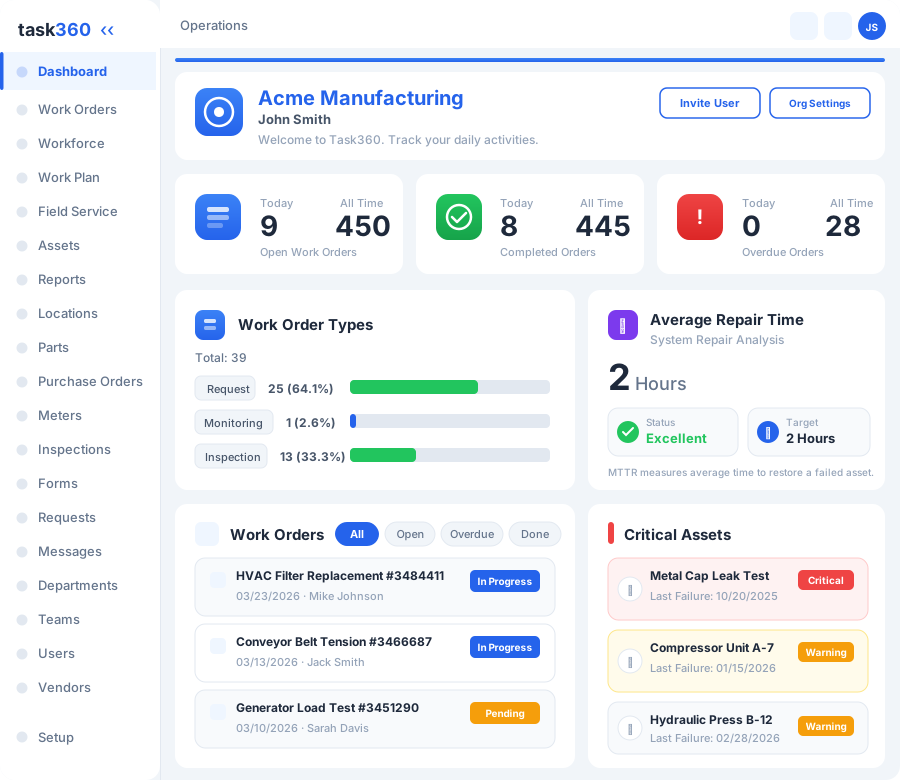
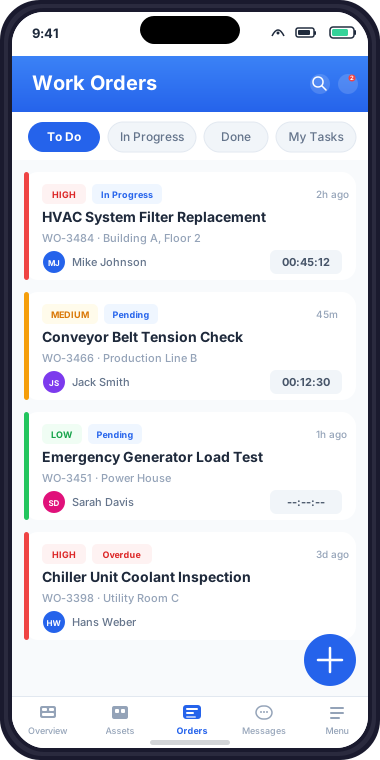
Imagine overseeing a fleet of vehicles powering through the bustling streets, each crucial in delivering services to keep the city lit and homes warm. Now, picture ensuring every vehicle operates at its peak, minimizing downtime and maximizing efficiency. This is where a CMMS steps in, acting as the ultimate ally in fleet management for energy and utility sectors.

Firstly, a CMMS revolutionizes maintenance scheduling. By meticulously tracking each vehicle’s maintenance needs, from oil changes to engine overhauls, it ensures proactive upkeep rather than reactive fixes. This proactive approach means fewer surprises on the road, keeping vehicles running smoothly and safely.

Moreover, in the dynamic energy and utilities landscape, downtime is not just inconvenient—it’s costly and impacts service delivery. Here’s where the CMMS’s predictive maintenance capabilities shine. By analyzing vehicle data and performance trends, it forecasts potential issues before they escalate. Imagine predicting a flat tire before it happens, replacing it during scheduled downtime instead of during an urgent call-out. That’s efficiency redefined.

How does a CMMS support fleet management in energy and utilities?

Beyond maintenance, a CMMS optimizes inventory management. Spare parts for energy and utility vehicles need to be readily available but not overstocked. Through real-time inventory tracking and automated alerts for replenishment, the CMMS ensures that the right parts are in the right place at the right time. This means quicker repairs and minimized vehicle idle time.

Furthermore, compliance and safety are paramount in this industry. A robust CMMS maintains detailed records of inspections, repairs, and compliance checks. It ensures every vehicle meets regulatory standards, reducing risks and liabilities.

In essence, a CMMS isn’t just a tool—it’s a strategic asset for energy and utilities fleet managers. By streamlining maintenance, predicting issues, optimizing inventory, and enhancing safety compliance, it empowers fleets to operate at peak performance, ensuring seamless service delivery across the grid.

Optimizing Efficiency: How CMMS Revolutionizes Fleet Management in Energy

Managing a fleet in the energy sector demands precision and efficiency to ensure operations run smoothly and costs are minimized. This is where Computerized Maintenance Management Systems (CMMS) step in, revolutionizing how fleet management is approached in the energy industry.

CMMS software integrates advanced functionalities designed to streamline maintenance operations and optimize asset management. It acts as a centralized hub where all critical data regarding fleet vehicles and equipment is stored and managed. From scheduling routine maintenance tasks to tracking inventory and generating insightful reports, CMMS empowers energy companies to maintain peak operational efficiency.

One of the key benefits of CMMS is its ability to schedule preventive maintenance tasks based on usage patterns and manufacturer recommendations. By proactively addressing potential issues before they escalate, energy companies can minimize downtime and prolong the lifespan of their fleet assets. This proactive approach not only enhances reliability but also reduces operational costs associated with emergency repairs.

Moreover, CMMS facilitates comprehensive asset tracking and management. It provides real-time visibility into each vehicle’s performance metrics, fuel consumption, and maintenance history. This data-driven approach allows fleet managers to make informed decisions regarding fleet utilization and replacement strategies, ensuring optimal resource allocation.

In addition to maintenance and asset management, CMMS enhances regulatory compliance by maintaining detailed records of inspections and maintenance activities. This ensures that all vehicles meet safety and environmental standards, mitigating risks and potential liabilities for energy companies.

The adoption of CMMS in fleet management within the energy sector marks a significant leap towards operational excellence. By leveraging technology to automate and optimize maintenance processes, energy companies can achieve higher efficiency, reduce costs, and maintain compliance with industry regulations effortlessly. CMMS isn’t just a tool but a transformative solution driving the future of fleet management in the energy industry.

Streamlining Operations: The Role of CMMS in Energy Fleet Maintenance

CMMS functions as a centralized hub, storing critical data about equipment maintenance schedules, performance histories, and real-time diagnostics. It’s like having a digital assistant that never sleeps, constantly monitoring and optimizing fleet operations. By automating routine maintenance tasks and scheduling inspections based on usage patterns, CMMS minimizes downtime and maximizes uptime.

How does a CMMS support fleet management in energy and utilities?

Think of it as the conductor of an orchestra, harmonizing various instruments (or in this case, fleet components) to produce a flawless performance. It not only alerts maintenance teams to potential issues but also suggests proactive measures to prevent breakdowns before they occur. This proactive approach not only saves time but also reduces costs associated with emergency repairs.

Moreover, CMMS enhances decision-making by providing actionable insights derived from data analytics. It helps fleet managers identify trends, forecast future maintenance needs, and allocate resources efficiently. In essence, it transforms complex operational data into clear, actionable strategies.

In today’s fast-paced energy sector, where every minute of downtime can translate into substantial financial losses, CMMS emerges as the unsung hero behind the scenes. It empowers energy companies to maintain high standards of reliability, safety, and operational efficiency. With CMMS, managing an energy fleet isn’t just about maintenance—it’s about mastering the art of operational excellence.

From Maintenance to Mastery: CMMS Solutions in Energy Fleet Management

In the realm of energy fleet management, the transition from mere maintenance to mastery involves leveraging CMMS solutions to their fullest potential. These systems integrate critical functionalities that streamline maintenance workflows, optimize asset utilization, and enhance overall operational efficiency. By centralizing data related to equipment health, work orders, and inventory management, CMMS solutions empower energy fleet managers to make informed decisions swiftly.

One of the primary advantages of CMMS solutions is their ability to schedule preventive maintenance tasks proactively. By automating routine inspections and servicing, these systems minimize downtime, reduce repair costs, and extend the lifespan of fleet assets. This proactive approach not only ensures equipment reliability but also enhances safety and regulatory compliance within the energy sector.

Moreover, CMMS platforms facilitate real-time monitoring of fleet performance metrics. Managers can track key indicators such as fuel consumption, operational hours, and maintenance expenses. This data-driven approach enables continuous optimization of fleet operations, driving down operational costs while maximizing productivity.

In the dynamic landscape of energy fleet management, CMMS solutions act as catalysts for innovation and efficiency. They enable seamless communication between maintenance teams, suppliers, and stakeholders, fostering a collaborative environment aimed at achieving operational excellence. By integrating predictive analytics and IoT (Internet of Things) capabilities, modern CMMS solutions empower energy companies to stay ahead in a competitive market while meeting stringent sustainability goals.

Powering Up: Enhancing Fleet Performance with CMMS Technology

In today’s fast-paced logistics industry, maintaining peak efficiency in fleet management is crucial. This is where Computerized Maintenance Management Systems (CMMS) step in, revolutionizing how fleets operate. CMMS technology offers a comprehensive solution to streamline maintenance processes, improve asset utilization, and ultimately boost overall fleet performance.

Imagine CMMS as the central nervous system of your fleet operations, orchestrating maintenance schedules, tracking asset health, and predicting potential issues before they disrupt operations. By integrating CMMS into daily operations, fleet managers gain real-time insights into each vehicle’s condition, enabling proactive maintenance rather than reactive fixes. This proactive approach not only minimizes downtime but also extends the lifespan of fleet assets, optimizing operational costs.

Moreover, CMMS empowers fleet managers with data-driven decision-making capabilities. Through detailed analytics and reporting features, managers can identify trends, analyze historical performance data, and fine-tune maintenance schedules for maximum efficiency. This data-centric approach not only enhances reliability but also ensures compliance with regulatory standards, minimizing risks associated with unexpected breakdowns or safety issues.

In essence, CMMS technology transforms fleet management into a proactive, data-guided process. It allows fleet operators to stay ahead of maintenance needs, reduce operational costs, and enhance overall fleet performance. By harnessing the power of CMMS, businesses can achieve higher productivity levels, improved customer satisfaction, and a competitive edge in the dynamic logistics landscape.

Frequently Asked Questions

How does a CMMS enhance regulatory compliance for energy and utility fleet vehicles?

Learn how a Computerized Maintenance Management System (CMMS) boosts regulatory compliance for energy and utility fleet vehicles by ensuring timely maintenance, accurate record-keeping, and adherence to safety standards. It helps streamline inspections, monitor asset performance, and maintain detailed maintenance logs, all crucial for meeting regulatory requirements.

What role does predictive maintenance play in CMMS for energy and utility fleets?

Predictive maintenance in CMMS for energy and utility fleets plays a crucial role in enhancing operational efficiency and reducing downtime. By leveraging data analytics and machine learning, CMMS can predict equipment failures before they occur, allowing proactive maintenance scheduling. This proactive approach helps minimize maintenance costs, optimize asset performance, and ensure continuous reliability of energy and utility fleet operations.

What are the primary benefits of using a CMMS for fleet management in energy and utilities?

Learn about the primary benefits of using a CMMS (Computerized Maintenance Management System) for fleet management in the energy and utilities sector.

How does a CMMS improve maintenance scheduling for energy and utility fleets?

Learn how a Computerized Maintenance Management System (CMMS) enhances maintenance scheduling efficiency for energy and utility fleets by centralizing data, automating workflows, and optimizing resource allocation.

Can a CMMS help reduce downtime in energy and utility fleet operations?

Learn how a CMMS (Computerized Maintenance Management System) can effectively minimize downtime in energy and utility fleet operations.