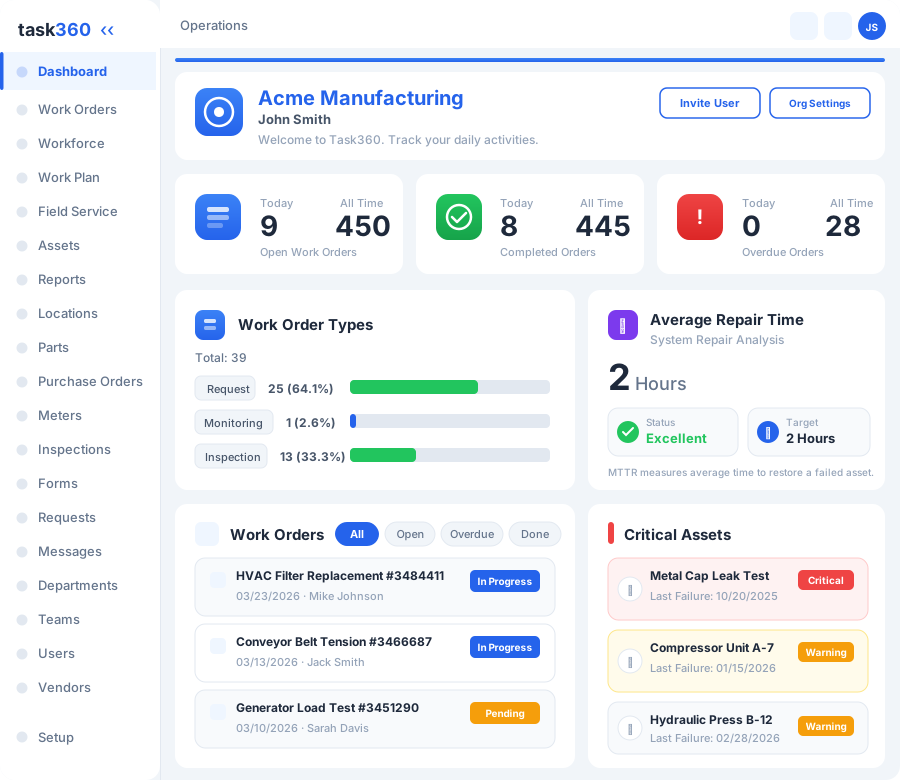
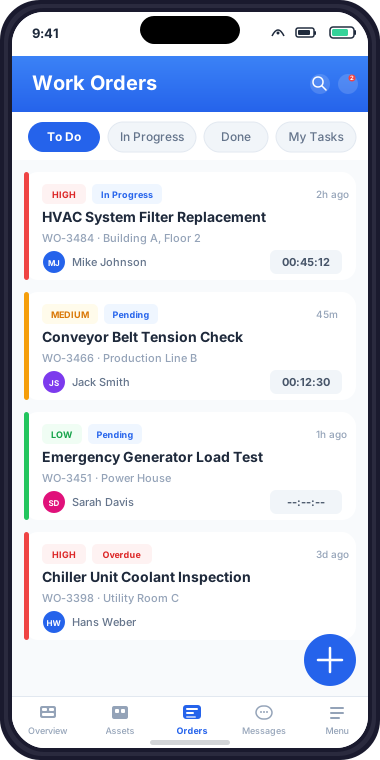
Imagine a bustling food production facility where precision and hygiene are paramount. In such environments, keeping equipment running smoothly isn’t just a matter of efficiency but also of compliance and safety. This is where a Computerized Maintenance Management System (CMMS) steps in, revolutionizing how maintenance inspections are managed in food production.
CMMS software acts as the nerve center, orchestrating maintenance tasks with finesse. From scheduling routine inspections to tracking equipment performance, CMMS ensures every nut and bolt is in top shape. But how exactly does it streamline maintenance inspections in food production?

Firstly, CMMS automates scheduling, eliminating the guesswork out of when inspections are due. By setting predefined schedules based on equipment usage or regulatory requirements, it ensures inspections happen right on time, preventing unexpected breakdowns that could disrupt production.
Secondly, CMMS centralizes data. Instead of rifling through stacks of paperwork, inspectors can access equipment histories, maintenance logs, and even manufacturer recommendations with a few clicks. This instant access to information empowers quicker, more informed decisions, reducing downtime and enhancing overall operational efficiency.
Moreover, CMMS doesn’t just stop at scheduling and data management. It also facilitates proactive maintenance. By flagging potential issues early through predictive analytics, it allows maintenance teams to intervene before minor glitches snowball into major problems. This proactive approach not only saves costs but also ensures uninterrupted production flow.
In essence, a CMMS isn’t merely a tool; it’s a strategic ally in the quest for seamless operations and regulatory compliance. It transforms maintenance from a reactive firefighting exercise to a proactive, data-driven strategy that keeps the wheels of food production turning smoothly.
So, whether it’s ensuring that conveyor belts run without a hitch or guaranteeing that temperature controls are spot-on, a CMMS is the silent sentinel that ensures every aspect of maintenance inspections in food production is handled with precision and care.
This article aims to highlight the critical role of CMMS in managing maintenance inspections in food production, emphasizing its efficiency, proactive capabilities, and overall impact on operational excellence.
Streamlining Safety: How CMMS Revolutionizes Food Production Inspections
CMMS platforms enable seamless scheduling of inspections and maintenance tasks, creating a structured approach to safety management. By centralizing data and automating workflows, these systems reduce human error and streamline the entire inspection process. This not only saves time but also improves the reliability of inspections by providing real-time data and alerts.
Imagine a food production facility where every inspection task—from checking equipment functionality to verifying hygiene practices—is meticulously planned and executed without delays or oversights. CMMS facilitates this by digitizing inspection checklists and procedures, allowing inspectors to access information instantly on mobile devices. This accessibility ensures that any issues identified during inspections can be addressed promptly, minimizing risks and maintaining product integrity.
In addition to enhancing operational efficiency, CMMS enhances transparency and accountability within food production facilities. Managers can track inspection histories, analyze trends, and implement preventive maintenance strategies based on data-driven insights. This proactive approach not only ensures compliance with regulatory requirements but also fosters a culture of continuous improvement in safety practices.

Furthermore, CMMS empowers food production teams by providing them with the tools to proactively manage safety risks. By integrating asset management with safety protocols, these systems optimize resource allocation and prioritize critical maintenance tasks. This proactive maintenance approach reduces downtime and potential hazards, safeguarding both the production process and consumer health.
CMMS represents a paradigm shift in how food production inspections are conducted. By leveraging technology to streamline safety protocols, these systems contribute to enhanced efficiency, compliance, and overall operational excellence in the food industry. As regulations evolve and consumer expectations rise, CMMS continues to play a pivotal role in ensuring that food production facilities operate at the highest standards of safety and quality assurance.
From Farm to Table: CMMS Integration Enhances Food Safety Inspections
Imagine a world where every step of food production, from the fertile fields of farms to the bustling kitchens of restaurants, is seamlessly monitored and optimized for safety. This is the promise of CMMS integration in food safety inspections. CMMS, or Computerized Maintenance Management Systems, are revolutionizing how we ensure the quality and safety of our food supply chain.
At its core, CMMS integration involves the use of technology to streamline and automate various processes involved in food safety inspections. It enables real-time monitoring of critical factors such as temperature control, sanitation procedures, and equipment maintenance. By integrating CMMS into food safety protocols, organizations can proactively identify and address potential hazards before they escalate into safety issues.
One of the key benefits of CMMS integration is its ability to enhance traceability. From the moment produce is harvested on the farm to its delivery to consumers, every stage can be meticulously tracked. This not only ensures compliance with regulatory standards but also builds trust among consumers who are increasingly conscious of the origins and safety of their food.
Moreover, CMMS systems facilitate better resource allocation and scheduling. By automating routine tasks and maintenance schedules, food production facilities can operate more efficiently, reducing downtime and optimizing productivity. This proactive approach not only saves costs but also minimizes the risk of contamination or other safety incidents.
In essence, CMMS integration transforms food safety inspections from reactive to proactive. It empowers stakeholders across the supply chain, from farmers and processors to distributors and retailers, to collaborate seamlessly in ensuring the highest standards of food safety. This holistic approach not only safeguards public health but also protects brand reputation in an increasingly competitive market.
As technology continues to evolve, so too will the capabilities of CMMS in enhancing food safety inspections. By embracing these innovations, the farm-to-table journey becomes not just a process but a promise of safety, quality, and sustainability for all consumers.
Efficiency in Every Bite: The Impact of CMMS on Food Production Maintenance
In the fast-paced world of food production, maintaining efficiency is not just about speed—it’s about ensuring every process runs smoothly to deliver quality products consistently. One of the key players in achieving this seamless operation is Computerized Maintenance Management Systems (CMMS). These systems have revolutionized how maintenance tasks are managed in food production facilities, enhancing productivity and reducing downtime.
CMMS integrates advanced technology with maintenance management, streamlining the tracking and scheduling of maintenance activities. Imagine it as the conductor of a complex orchestra, ensuring that each instrument (or machinery) plays its part at the right time without missing a beat. By centralizing maintenance data and automating routine tasks, CMMS allows food production plants to operate with minimal interruptions and maximum efficiency.
One of the most significant impacts of CMMS is its ability to prevent equipment breakdowns before they occur. Through predictive maintenance and real-time monitoring, CMMS can detect potential issues early on, allowing maintenance teams to intervene proactively. This proactive approach not only extends the lifespan of equipment but also prevents costly downtime, keeping production lines running smoothly.
Moreover, CMMS improves resource allocation by optimizing maintenance schedules and inventory management. It ensures that the right parts are available when needed, reducing wait times and improving overall operational efficiency. This efficiency translates directly into savings—both in terms of costs and time—which are critical in the competitive landscape of food production.
In essence, CMMS is more than just a tool; it’s a strategic asset that enhances operational efficiency and ensures product quality in food production facilities. By leveraging technology to streamline maintenance processes, CMMS empowers teams to focus on what matters most—producing high-quality food products efficiently and consistently.
Preventing Contamination: CMMS Tools for Rigorous Food Inspection Protocols
Imagine a bustling food processing plant where precision and hygiene are non-negotiable. CMMS tools act as digital guardians, orchestrating the intricate dance of preventive maintenance schedules, equipment inspections, and sanitation procedures. By automating these processes, CMMS not only reduces human error but also ensures that every component of the production line meets stringent cleanliness standards.
At the heart of CMMS functionality lies its ability to schedule routine maintenance tasks seamlessly. For instance, equipment used in food processing must undergo regular cleaning and calibration to prevent microbial growth and cross-contamination. CMMS software monitors these tasks meticulously, sending alerts for upcoming maintenance to maintenance teams and supervisors.
Moreover, CMMS tools facilitate comprehensive record-keeping. Every inspection, cleaning, and repair action is logged digitally, creating an audit trail that is invaluable during regulatory inspections. This transparency not only demonstrates compliance but also fosters a culture of accountability within the facility.
In practical terms, imagine CMMS as the conductor of a well-choreographed symphony, where each note represents a critical maintenance task or sanitation check. Just as a skilled conductor ensures harmony among musicians, CMMS ensures that every aspect of food production operates smoothly and safely.
Furthermore, these systems empower decision-makers with real-time data analytics. By analyzing maintenance trends and equipment performance metrics, food production managers can proactively identify potential issues before they escalate into safety hazards.
CMMS tools are indispensable assets in the arsenal of modern food processing facilities striving to prevent contamination. By automating maintenance processes, ensuring regulatory compliance, and providing actionable insights, these systems safeguard both consumer well-being and the reputation of food brands worldwide.
Data-Driven Decisions: CMMS Optimizes Maintenance Inspections in Food Manufacturing
CMMS software acts as a centralized hub, integrating data from various sources like equipment sensors, historical maintenance records, and real-time performance metrics. This wealth of information enables maintenance managers to make informed decisions swiftly and effectively. By analyzing trends and patterns in equipment performance, CMMS identifies potential issues before they escalate, thereby preventing costly breakdowns and minimizing downtime.
Imagine CMMS as the vigilant overseer of your production line, continuously monitoring the health of critical assets and scheduling inspections proactively. It not only tracks routine maintenance tasks but also optimizes them based on operational needs and resource availability. This proactive approach ensures that equipment remains in peak condition, enhancing overall efficiency and reducing operational costs.
Moreover, CMMS facilitates compliance with stringent regulatory requirements in the food manufacturing industry. By maintaining detailed records of maintenance activities and equipment performance, it provides auditors with transparent insights into operational practices. This transparency not only ensures regulatory compliance but also builds trust with stakeholders and consumers alike.
In essence, CMMS transforms maintenance inspections from reactive firefighting to proactive, data-driven decision-making. It empowers maintenance teams to stay ahead of potential issues, improve operational reliability, and uphold product quality standards. In the competitive landscape of food manufacturing, where every minute of downtime counts, CMMS emerges as a strategic ally for achieving operational excellence and sustaining business growth.
Quality Assurance in Action: CMMS Solutions for Food Production Facilities
Managing quality assurance in food production facilities is crucial to ensure safety, compliance, and efficiency. Computerized Maintenance Management Systems (CMMS) play a pivotal role in achieving these goals by streamlining maintenance processes and enhancing overall operational efficiency.
CMMS solutions are tailored to meet the specific needs of food production facilities, where maintaining high standards of hygiene and safety is non-negotiable. These systems enable facility managers to schedule preventive maintenance tasks systematically, such as equipment inspections and calibration checks. By proactively addressing maintenance needs, CMMS helps prevent unexpected breakdowns that could disrupt production and compromise product quality.
In addition to preventive maintenance, CMMS facilitates real-time monitoring of critical assets. For instance, temperature-sensitive storage units and processing equipment can be monitored continuously to ensure they operate within optimal parameters. Any deviations can trigger immediate alerts, allowing operators to take corrective actions promptly and prevent potential quality issues.
Moreover, CMMS systems contribute to regulatory compliance by maintaining comprehensive records of maintenance activities and equipment inspections. This documentation is essential during audits to demonstrate adherence to industry standards and regulations governing food safety. By ensuring all maintenance activities are logged and documented, CMMS helps food production facilities uphold their reputation for quality and reliability.
Furthermore, CMMS solutions offer analytical tools that provide valuable insights into equipment performance and maintenance trends. By analyzing historical data, facility managers can identify patterns of equipment failure, optimize maintenance schedules, and make informed decisions to improve overall efficiency and reduce operational costs.
Beyond Compliance: How CMMS Improves Regulatory Inspections in Food Industry
CMMS, or Computerized Maintenance Management System, goes beyond traditional compliance management. It acts as a robust toolset, seamlessly integrating maintenance schedules, equipment records, and inspection histories into a single platform. Picture it as the conductor of a well-orchestrated symphony, where every note—every inspection, every maintenance task—is meticulously synchronized.
But how does CMMS elevate regulatory inspections in the food industry? Imagine a scenario where an inspector arrives at a food processing facility. Instead of sifting through mountains of paperwork or relying on outdated spreadsheets, they are greeted with real-time data at their fingertips. CMMS empowers inspectors to access comprehensive maintenance logs, equipment service records, and compliance histories instantly. This accessibility not only expedites inspections but also enhances transparency and accuracy.
Moreover, CMMS acts as a proactive guardian against compliance pitfalls. By automating maintenance schedules and sending timely alerts for inspections, it ensures that equipment remains in peak operational condition. This proactive approach minimizes the risk of unexpected failures or compliance breaches, thereby fostering a culture of continuous improvement and regulatory excellence.
In essence, CMMS transforms regulatory inspections from a daunting task into a streamlined process that drives operational efficiency and compliance confidence. By centralizing data, optimizing maintenance workflows, and promoting proactive management practices, CMMS empowers food industry professionals to not just meet regulations, but exceed them—safeguarding consumer trust and elevating industry standards.
Frequently Asked Questions
What role does predictive maintenance play in CMMS systems for food production facilities?
Predictive maintenance in CMMS systems for food production facilities plays a crucial role in minimizing downtime and preventing equipment failures. By leveraging data analytics and machine learning, these systems predict potential issues before they occur, allowing for timely maintenance and ensuring continuous operation of critical equipment. This proactive approach helps in optimizing production efficiency and reducing overall maintenance costs.
What features should I look for in a CMMS tailored for food production maintenance?
Discover the essential features to consider when selecting a CMMS designed for food production maintenance. Learn about the specific functionalities that ensure compliance with food safety regulations, streamline equipment maintenance schedules, integrate with existing ERP systems, and provide comprehensive reporting capabilities.
How does a CMMS improve scheduling and tracking of maintenance inspections in food facilities?
Learn how a CMMS enhances scheduling and tracking of maintenance inspections in food facilities, ensuring timely upkeep of equipment and compliance with safety standards.
What are the key benefits of using a CMMS for maintenance inspections in food production?
Learn about the key benefits of utilizing a CMMS (Computerized Maintenance Management System) for maintenance inspections in food production. Discover how CMMS enhances efficiency, ensures regulatory compliance, minimizes downtime, and optimizes asset lifespan through streamlined scheduling and data-driven maintenance practices.
How can a CMMS help ensure compliance with food safety regulations during inspections?
Learn how a Computerized Maintenance Management System (CMMS) can ensure compliance with food safety regulations during inspections by automating maintenance schedules, tracking equipment performance, and facilitating documentation of maintenance activities and inspections.