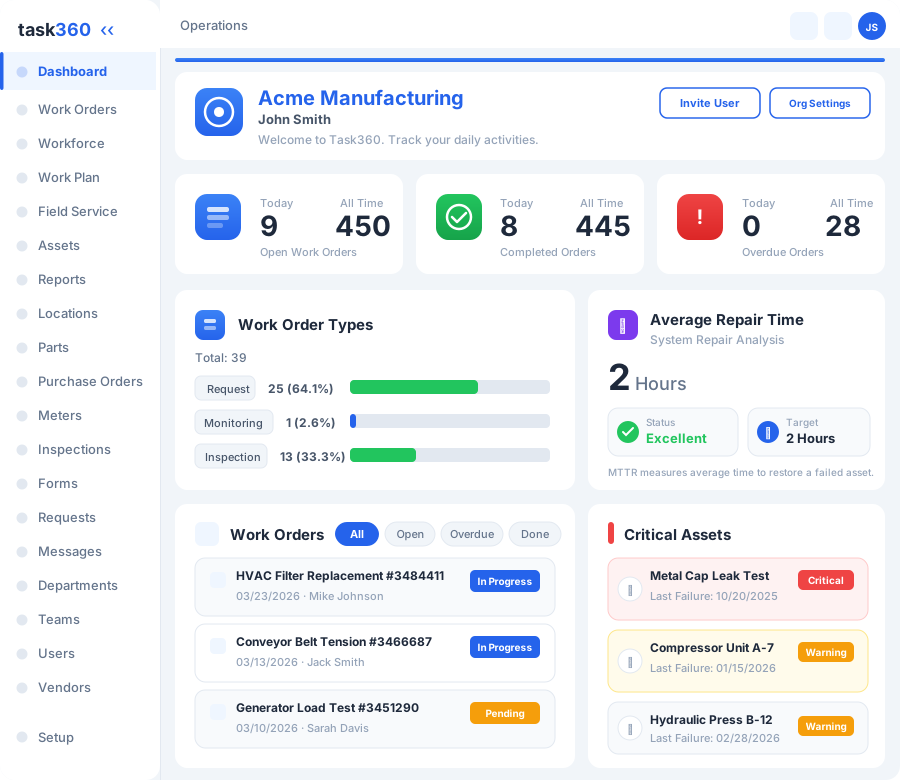
CMMS, or Computerized Maintenance Management System, stands as a cornerstone in the efficient management of maintenance operations within the aerospace and defense sectors. Imagine it as the control tower guiding every maintenance action with precision and foresight.
In these high-stakes industries, where safety and operational readiness are paramount, CMMS plays a pivotal role in ensuring that every piece of equipment, from complex aircraft to critical defense systems, operates at peak performance. But why exactly is CMMS so indispensable?
Firstly, CMMS integrates seamlessly with existing systems, providing a centralized platform for managing maintenance schedules, work orders, and inventory. This integration streamlines workflows, reducing downtime and optimizing resource allocation. Imagine it as orchestrating a symphony where each instrument plays its part flawlessly.
Moreover, in aerospace and defense, compliance with stringent regulations is non-negotiable. CMMS maintains meticulous records of maintenance activities, audits, and inspections, ensuring full compliance with industry standards and regulatory requirements. It’s like having a digital logbook that not only records but also predicts maintenance needs before they become critical issues.
Furthermore, the proactive maintenance approach enabled by CMMS prevents unexpected breakdowns and extends the lifespan of costly equipment. By scheduling preventive maintenance based on data-driven insights, rather than reactive repairs, organizations can minimize operational disruptions and maximize asset utilization. It’s akin to performing regular check-ups to catch potential health issues early.
In essence, CMMS isn’t just a tool; it’s a strategic asset that enhances operational efficiency, boosts safety standards, and preserves the longevity of mission-critical assets in the aerospace and defense sectors. Embracing CMMS isn’t merely keeping up with technology; it’s setting a new standard for reliability and readiness in an industry where every detail matters.
This article aims to highlight the importance of CMMS in managing maintenance within aerospace and defense contexts, emphasizing its role in efficiency, compliance, and proactive asset management.
Optimizing Fleet Readiness: How CMMS Transforms Aerospace Maintenance
CMMS technology streamlines maintenance operations by centralizing data on aircraft health, maintenance schedules, and parts inventory. This centralized approach enhances efficiency by automating routine tasks such as scheduling inspections and tracking repairs. This not only reduces human error but also minimizes downtime, ensuring that aircraft are ready for deployment at all times.
One of the key benefits of CMMS in aerospace maintenance is its predictive maintenance capabilities. By analyzing historical data and real-time operational metrics, CMMS can predict potential issues before they occur. This proactive approach allows maintenance crews to address problems early, preventing costly breakdowns and enhancing overall safety.
Furthermore, CMMS enhances decision-making by providing comprehensive insights into fleet performance. Maintenance managers can access detailed analytics and reports, enabling them to allocate resources effectively and prioritize critical maintenance tasks. This data-driven approach maximizes operational efficiency and extends the lifespan of aircraft components.
In essence, CMMS transforms aerospace maintenance by optimizing fleet readiness through automation, predictive maintenance, and data-driven decision-making. By leveraging CMMS technology, aerospace companies can maintain higher levels of operational readiness, ensure compliance with safety regulations, and ultimately enhance mission success rates.
Security in the Skies: CMMS and Defense Maintenance Efficiency
CMMS streamlines maintenance workflows, from scheduling routine checks to logging repairs and replacements. It’s akin to a meticulous choreographer ensuring every part of the aircraft performs its dance flawlessly. By digitizing maintenance records and automating processes, CMMS not only saves time but also enhances accuracy, minimizing human errors that could compromise aircraft safety.
The efficiency gains with CMMS are profound. It allows defense personnel to allocate resources more effectively, ensuring that aircraft are always mission-ready. Think of it as a well-oiled machine where every gear turns seamlessly, maximizing operational uptime and readiness. This proactive approach not only enhances safety but also optimizes costs, ensuring that defense budgets are allocated efficiently without compromising security.
Moreover, CMMS doesn’t just stop at maintenance logs; it also provides valuable data insights. It’s like having a crystal ball that foresees potential maintenance needs, allowing defense forces to plan ahead strategically. This predictive capability transforms maintenance from reactive firefighting to proactive safeguarding, ensuring that aircraft remain at peak performance throughout their operational lifespan.
In essence, CMMS is the backbone of defense maintenance efficiency, combining meticulous oversight with cutting-edge technology. It empowers defense forces to navigate the complexities of modern aviation with confidence, ensuring that security in the skies is upheld to the highest standards.
Beyond the Clouds: Streamlining Aerospace Operations with CMMS
In the dynamic world of aerospace operations, efficiency and precision are paramount. Enter CMMS (Computerized Maintenance Management System), a revolutionary tool that has transformed the way aircraft are maintained and managed. Imagine CMMS as the digital brain behind the scenes, orchestrating maintenance schedules, tracking repairs, and optimizing workflow seamlessly.
CMMS software operates like a well-oiled machine, ensuring every component of an aircraft is meticulously monitored and serviced on schedule. It’s akin to having a proactive maintenance supervisor who never sleeps, constantly analyzing data to predict potential issues before they escalate. This predictive capability not only enhances safety but also minimizes downtime, crucial in an industry where every minute counts.
One of the key benefits of CMMS in aerospace is its ability to centralize information. Imagine a scenario where all maintenance records, from routine inspections to major overhauls, are stored in one accessible digital repository. This centralized approach not only streamlines compliance with aviation regulations but also facilitates comprehensive audits and reporting, ensuring transparency and accountability across the board.
Moreover, CMMS enhances communication among maintenance teams, engineers, and stakeholders. Through real-time updates and alerts, everyone stays informed about the status of aircraft maintenance activities, enabling swift decision-making and resource allocation. This streamlined communication fosters a collaborative environment where efficiency thrives, ultimately translating into smoother operations and satisfied customers.
In essence, CMMS is more than just a tool; it’s a catalyst for innovation in aerospace maintenance. By harnessing the power of data-driven insights and proactive maintenance strategies, CMMS empowers aerospace companies to navigate challenges with agility and confidence, ensuring that every flight takes off and lands safely, beyond the clouds and into the future of aviation excellence.
Mission-Critical Maintenance: The Role of CMMS in Defense Systems

CMMS software operates like a digital command center, seamlessly integrating data from various sensors and diagnostic tools. It’s the watchful eye that detects potential issues before they escalate, ensuring that every nut, bolt, and circuit board operates at peak performance. By automating routine tasks and generating real-time reports, CMMS empowers defense personnel to make informed decisions swiftly, minimizing downtime and maximizing operational efficiency.
Picture this: a fighter jet poised on the runway, its engines humming with confidence. Behind the scenes, CMMS has orchestrated a symphony of maintenance checks, ensuring that each component is meticulously inspected and serviced. It’s the meticulous planning and execution that keep our defense systems ready for action at a moment’s notice.
But CMMS isn’t just about reacting—it’s about proactively safeguarding our national security. Through predictive analytics and historical data, CMMS anticipates future maintenance needs, optimizing resource allocation and budget planning. It’s the foresight that transforms potential vulnerabilities into strengths, enhancing readiness across the entire defense infrastructure.
CMMS isn’t just a tool—it’s a strategic asset in the arsenal of national defense. It’s the silent force that ensures our military equipment stands ready to protect and serve. As technology evolves, so too does CMMS, adapting to new challenges and reinforcing the backbone of our defense systems. So next time you marvel at the precision of our defense operations, remember the unsung hero quietly working in the background—CMMS, the cornerstone of mission-critical maintenance in defense systems.
Flight-Tested Efficiency: CMMS Benefits for Aerospace Engineers
Aerospace engineering demands precision, reliability, and efficiency at every stage of development and maintenance. Enter CMMS, or Computerized Maintenance Management Systems, a game-changer for engineers in the aerospace industry. Imagine a tool that not only tracks maintenance schedules but also optimizes workflows, reduces downtime, and ensures compliance seamlessly. CMMS platforms are tailored to meet the intricate needs of aircraft maintenance, where every second and every detail count.
One of the standout benefits of CMMS for aerospace engineers is its ability to streamline operations. By digitizing maintenance processes, from scheduling routine checks to logging critical data, engineers gain real-time insights into the health of aircraft systems. This proactive approach minimizes unexpected breakdowns and maximizes uptime, crucial for both commercial airlines and defense operations alike.
Moreover, CMMS software enhances accountability within engineering teams. Tasks are assigned, tracked, and completed within the system, fostering a culture of responsibility and efficiency. Engineers can access historical maintenance records at their fingertips, facilitating informed decision-making and predictive maintenance strategies. This data-driven approach not only saves time but also reduces operational costs significantly over the long run.
In an industry where safety is paramount, CMMS plays a pivotal role in regulatory compliance. By automating documentation and audit trails, aerospace engineers ensure adherence to stringent safety standards and regulations. Whether it’s FAA guidelines or international aviation protocols, CMMS ensures that every maintenance activity is logged and validated, maintaining aircraft airworthiness and passenger safety.
Ultimately, CMMS empowers aerospace engineers to focus more on innovation and less on administrative tasks. By automating repetitive processes and providing actionable insights, engineers can dedicate their expertise to enhancing aircraft performance and advancing technological frontiers. In today’s fast-paced aviation landscape, CMMS isn’t just a tool—it’s a strategic asset that drives operational excellence and fuels the future of aerospace engineering.
Data-Driven Defense: Enhancing Readiness with CMMS Technology

In today’s rapidly evolving military landscape, maintaining peak operational readiness is crucial. Commanders and logistics managers are increasingly turning to advanced technologies like Computerized Maintenance Management Systems (CMMS) to streamline operations and boost efficiency. CMMS technology harnesses the power of data to revolutionize maintenance practices across military installations.
Imagine a scenario where every piece of equipment, from tanks to aircraft, is monitored and maintained proactively. CMMS platforms enable just that, by collecting real-time data on equipment performance, maintenance schedules, and historical trends. This data isn’t just numbers; it’s actionable insights that empower decision-makers to anticipate maintenance needs before they become critical issues.
By integrating CMMS into military operations, commanders gain a comprehensive view of asset health and readiness levels. This proactive approach minimizes downtime, reduces repair costs, and extends the lifespan of expensive equipment. Analogous to a vigilant sentinel, CMMS continually monitors the pulse of military assets, ensuring they remain at peak performance when called into action.
Moreover, the implementation of CMMS fosters a culture of data-driven decision-making within defense organizations. Relying on historical maintenance data and predictive analytics, commanders can allocate resources more efficiently, optimize inventory management, and prioritize critical repairs. This strategic advantage not only enhances operational readiness but also strengthens overall mission effectiveness.
In essence, CMMS technology represents a paradigm shift in military maintenance practices. It transforms traditional reactive maintenance into a proactive, data-centric approach that enhances readiness across the board. As military operations become increasingly complex and demanding, harnessing the power of CMMS ensures that readiness levels are not just maintained but continuously improved, ready to meet the challenges of tomorrow’s defense landscape.
This article delves into how CMMS technology is transforming military readiness through data-driven maintenance practices. By leveraging real-time data and predictive analytics, commanders can optimize resource allocation and enhance operational efficiency, ensuring that military assets are always prepared for the mission ahead.
Frequently Asked Questions
How does CMMS enhance operational efficiency in aerospace and defense sectors?
Learn how CMMS (Computerized Maintenance Management System) boosts operational efficiency in aerospace and defense sectors by streamlining maintenance schedules, optimizing resource allocation, and improving equipment uptime and reliability.
What features should a CMMS system have to effectively manage aerospace and defense maintenance?
Learn about the essential features required in a CMMS system for effective aerospace and defense maintenance management.
How does CMMS improve compliance and regulatory requirements in the aerospace and defense industries?
Learn how CMMS (Computerized Maintenance Management Systems) enhance compliance and regulatory adherence in aerospace and defense industries by streamlining maintenance schedules, ensuring accurate documentation of maintenance activities, facilitating audit trails, and supporting regulatory reporting requirements.
What are the key benefits of using CMMS in aerospace and defense maintenance?
Discover the advantages of CMMS in aerospace and defense maintenance. Learn how CMMS systems streamline scheduling, optimize asset performance, ensure regulatory compliance, and enhance operational efficiency.
What are the cost-saving implications of implementing CMMS for aerospace and defense maintenance?
Discover how implementing CMMS for aerospace and defense maintenance can lead to significant cost savings. Learn about the efficient resource allocation, streamlined scheduling, and enhanced maintenance planning capabilities that CMMS brings, ultimately reducing operational expenses and optimizing equipment reliability.