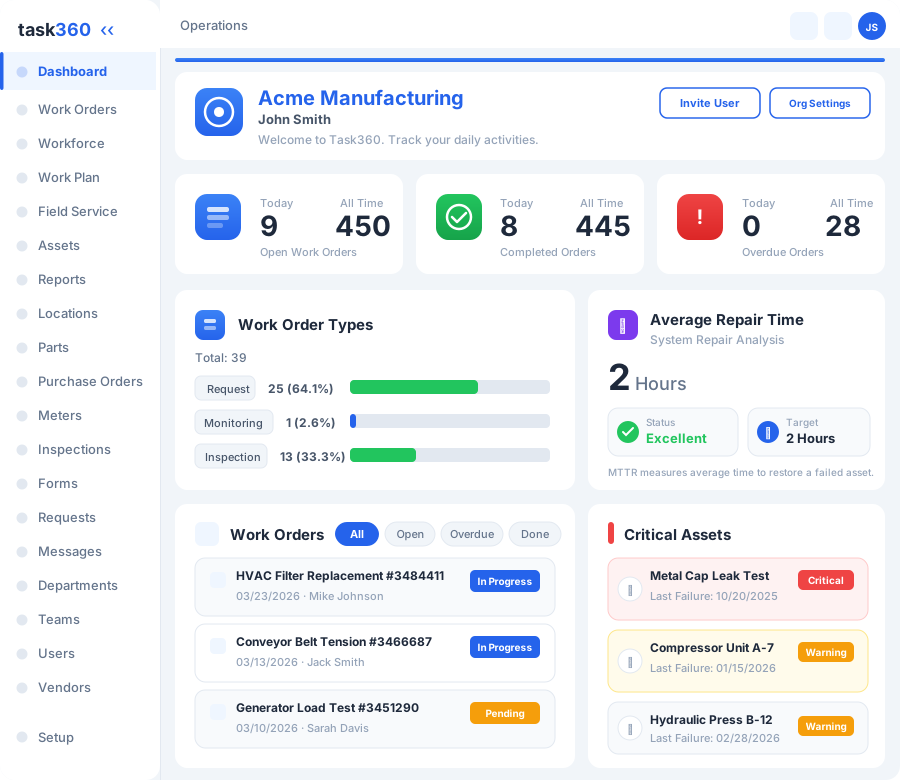
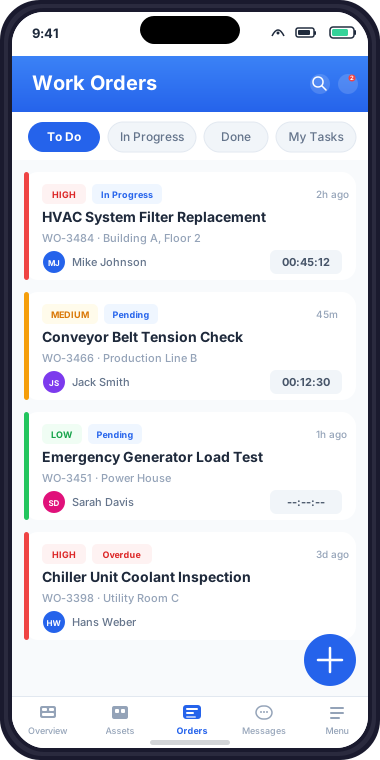
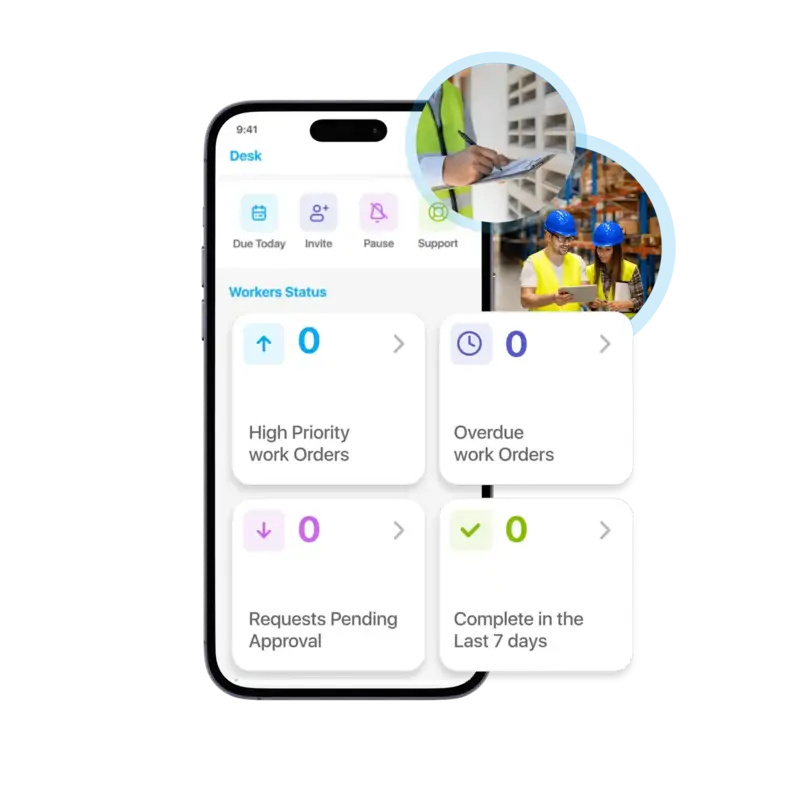
In the fast-paced environment of pharmaceutical manufacturing, downtime can be costly and regulatory compliance is non-negotiable. A robust CMMS streamlines maintenance operations by centralizing asset management, work order scheduling, and inventory tracking. By keeping a digital record of all equipment and their maintenance histories, pharmaceutical facilities can ensure compliance with stringent regulations while minimizing operational disruptions.

Moreover, CMMS software empowers maintenance teams with real-time insights and analytics. It provides data-driven decision-making capabilities, enabling facility managers to optimize preventive maintenance schedules and allocate resources efficiently. This proactive approach not only reduces unplanned downtime but also extends the lifespan of critical assets, ultimately lowering operational costs.

Furthermore, the integration of CMMS with IoT (Internet of Things) devices and predictive maintenance technologies elevates its functionality. Imagine sensors on equipment transmitting real-time data to the CMMS, which then triggers maintenance alerts based on actual performance metrics rather than arbitrary schedules. This predictive capability transforms maintenance from reactive to proactive, ensuring equipment reliability and enhancing overall operational efficiency.

In essence, a CMMS is more than just a tool for managing maintenance tasks; it’s a strategic asset that drives efficiency, compliance, and cost savings in pharmaceutical utility maintenance. By harnessing the power of digitalization and predictive analytics, pharmaceutical facilities can stay ahead in a highly regulated industry while focusing on what matters most—safe, reliable, and continuous production of life-saving medications.

Streamlining Pharmaceutical Operations: The Impact of CMMS on Utility Maintenance Efficiency

Computerized Maintenance Management Systems (CMMS) play a pivotal role in enhancing utility maintenance efficiency. These systems streamline the management of maintenance activities by integrating various processes into a single platform. By automating scheduling, work orders, and asset management, CMMS enables pharmaceutical companies to proactively manage utility maintenance tasks.

The impact of CMMS on utility maintenance efficiency is profound. It allows for predictive maintenance strategies, where potential issues can be identified and addressed before they cause disruptions. This proactive approach minimizes downtime and ensures continuous operation of critical utilities, thereby supporting uninterrupted production schedules.

Moreover, CMMS provides comprehensive data analytics capabilities. It collects real-time data on equipment performance and maintenance history, allowing maintenance teams to make data-driven decisions. By analyzing trends and patterns, pharmaceutical companies can optimize maintenance schedules, reduce costs, and extend the lifespan of their utility assets.

In essence, CMMS transforms utility maintenance from a reactive to a proactive process in pharmaceutical operations. It empowers maintenance teams to operate more efficiently, comply with regulatory requirements, and uphold the highest standards of product quality and safety. As pharmaceutical companies continue to prioritize operational excellence, the adoption of CMMS emerges as a strategic investment in enhancing utility maintenance efficiency.

Cutting Costs and Downtime: Leveraging CMMS for Pharmaceutical Facility Utilities

Imagine your facility as a well-oiled machine, where every cog and gear works in harmony to ensure smooth operations. CMMS acts as the chief engineer, overseeing every aspect of your utility systems. It doesn’t just schedule maintenance tasks but predicts them, preventing breakdowns before they happen. This proactive approach not only saves money but also minimizes downtime – a crucial factor in pharmaceutical production where every minute counts.

With CMMS, you can say goodbye to the days of reactive maintenance where you fix things only when they break down. Instead, it empowers you to plan maintenance during off-peak hours, optimizing uptime and productivity. This means fewer disruptions to your production schedule and less stress for your team.

Think of CMMS as your facility’s guardian angel, tirelessly monitoring equipment performance and sending alerts at the slightest hint of trouble. It keeps a digital record of maintenance history, which is not only handy for audits but also invaluable for identifying trends and areas for improvement.

Moreover, CMMS helps in budget planning by providing insights into maintenance costs and forecasting future expenditures. By identifying inefficiencies and optimizing resources, you can allocate funds where they matter most, ensuring a lean and efficient operation.

In essence, leveraging CMMS for managing pharmaceutical facility utilities isn’t just about cutting costs; it’s about ensuring reliability, compliance, and peace of mind. It transforms your maintenance strategy from reactive to proactive, from chaotic to controlled. So, embrace the power of CMMS and watch as your facility operates smoother, smarter, and with greater cost-effectiveness.

Optimizing Utility Maintenance in Pharma: CMMS Best Practices Unveiled

Imagine you’re running a pharmaceutical facility where every minute counts. Equipment downtime isn’t just inconvenient; it can lead to significant production delays and compliance issues. This is where CMMS shines. It acts as a central hub, housing all maintenance-related data and schedules in one accessible place. Think of it as your facility’s digital brain, tirelessly organizing and optimizing maintenance tasks to keep everything running smoothly.

Firstly, CMMS streamlines maintenance workflows by automating routine tasks such as scheduling inspections, tracking work orders, and managing spare parts inventory. By automating these processes, pharmaceutical companies can minimize human error and ensure timely maintenance, reducing the risk of equipment failures that could impact production.

How can a CMMS improve the efficiency of utility maintenance for pharmaceutical facilities?

Moreover, CMMS facilitates regulatory compliance by maintaining comprehensive records of maintenance activities and equipment history. In an industry as tightly regulated as pharmaceuticals, having accurate, up-to-date records is non-negotiable. CMMS not only helps in documenting compliance but also aids in preparing for audits, ensuring that all maintenance practices meet the required standards.

How can a CMMS improve the efficiency of utility maintenance for pharmaceutical facilities?

Furthermore, proactive maintenance is another area where CMMS excels. Instead of waiting for equipment to break down, CMMS enables predictive maintenance by analyzing historical data and performance metrics. It can forecast when equipment might require servicing based on usage patterns and environmental factors, allowing maintenance teams to intervene before issues escalate.

Implementing CMMS in pharmaceutical utility maintenance requires careful planning and integration with existing systems. Training personnel to use the system effectively is crucial for maximizing its benefits. Once fully integrated, however, the payoff is significant: reduced downtime, improved operational efficiency, and enhanced regulatory compliance.

Efficiency Unleashed: Enhancing Utility Maintenance with CMMS in Pharma

In the dynamic world of pharmaceutical manufacturing, maintaining operational efficiency is paramount. One of the pivotal tools revolutionizing utility maintenance in this sector is CMMS, or Computerized Maintenance Management Systems. CMMS systems are designed to streamline and optimize the management of maintenance activities, ensuring that critical utilities such as HVAC systems, purified water systems, and cleanrooms operate at peak performance levels.

Imagine a scenario where every piece of equipment and system crucial to pharmaceutical production is monitored, scheduled, and managed seamlessly. CMMS software enables just that by centralizing maintenance data, scheduling preventive maintenance tasks, and tracking equipment history. This proactive approach minimizes downtime, reduces the risk of equipment failure, and ensures compliance with regulatory standards.

In the fast-paced pharmaceutical industry, where even a brief interruption in utility services can lead to significant production delays and compliance issues, CMMS plays a vital role in maintaining continuity. By implementing CMMS, pharmaceutical companies can achieve cost savings through optimized maintenance scheduling and resource allocation. Moreover, real-time data provided by CMMS allows for informed decision-making, enhancing overall operational efficiency.

Furthermore, CMMS systems offer comprehensive reporting capabilities that provide insights into maintenance trends, equipment performance, and compliance metrics. This data-driven approach not only improves operational efficiency but also supports continuous improvement initiatives within pharmaceutical manufacturing facilities.

In essence, the integration of CMMS in pharmaceutical utility maintenance represents a paradigm shift towards proactive and data-centric management practices. It empowers pharmaceutical companies to uphold stringent quality standards, maximize productivity, and ultimately deliver safe and effective medications to patients worldwide. As the industry continues to evolve, CMMS stands as a cornerstone technology driving efficiency and reliability in pharmaceutical utility maintenance.

Frequently Asked Questions

Can CMMS enhance regulatory compliance for utility maintenance in pharmaceutical settings?

Learn how CMMS (Computerized Maintenance Management System) can improve regulatory compliance in pharmaceutical utility maintenance. Understand the benefits of using CMMS for managing maintenance schedules, ensuring equipment reliability, and documenting maintenance activities to meet regulatory standards.

What are the key benefits of using CMMS for utility maintenance in pharmaceutical facilities?

CMMS (Computerized Maintenance Management System) offers numerous benefits for utility maintenance in pharmaceutical facilities. It enhances equipment reliability, ensures compliance with regulatory standards, optimizes maintenance scheduling, reduces downtime, and improves overall operational efficiency.

How can CMMS contribute to cost savings in utility maintenance within pharmaceutical facilities?

Learn how CMMS (Computerized Maintenance Management Systems) can optimize utility maintenance in pharmaceutical facilities, leading to significant cost savings through efficient scheduling, proactive equipment management, and streamlined maintenance workflows.

How does CMMS software help streamline preventive maintenance in pharmaceutical utilities?

Learn how CMMS software optimizes preventive maintenance for pharmaceutical utilities by automating scheduling, tracking equipment conditions, and ensuring compliance with regulatory standards.

What role does CMMS play in reducing downtime and optimizing uptime for pharmaceutical utilities?

Learn how CMMS (Computerized Maintenance Management Systems) significantly reduce downtime and enhance uptime efficiency in pharmaceutical utilities. Discover how these systems streamline maintenance processes, schedule preventive tasks, and ensure equipment reliability, ultimately maximizing operational uptime.