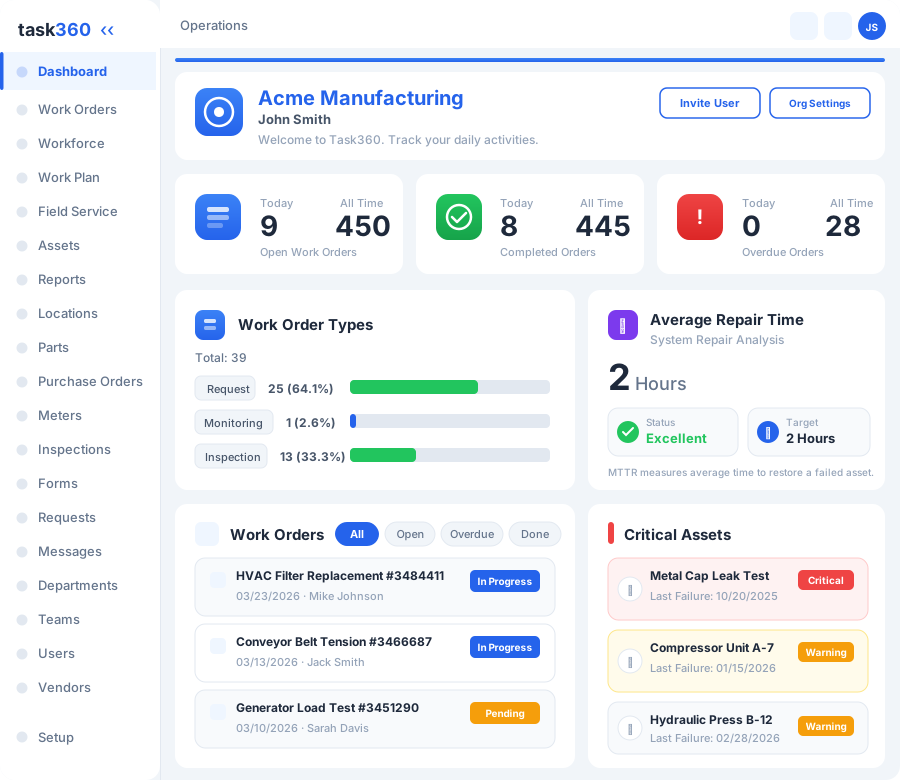
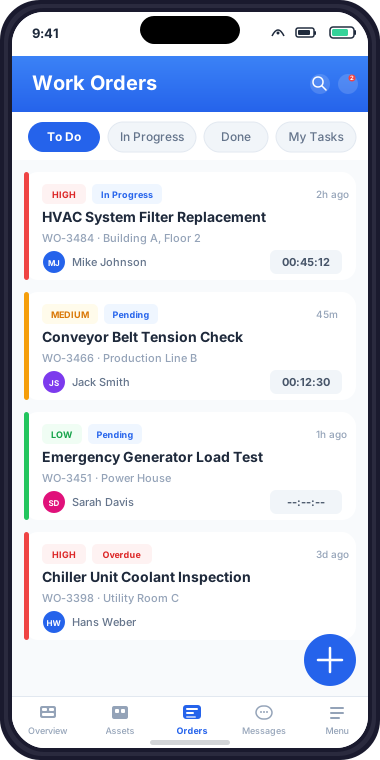
Imagine the bustling operations of an airport—planes arriving and departing, passengers hurrying to their gates, and staff managing countless tasks to ensure everything runs smoothly. Amidst this controlled chaos, the maintenance of airport facilities and equipment plays a critical role in keeping operations safe and efficient. This is where a Computerized Maintenance Management System (CMMS) steps in as a game-changer.

A CMMS is like the central nervous system of airport maintenance operations. It digitizes and organizes maintenance workflows, from routine checks to urgent repairs, into a streamlined process. By integrating scheduling, work orders, inventory management, and asset tracking into a single platform, CMMS software empowers maintenance teams to operate with precision and responsiveness.

One of the key benefits of a CMMS in airports is preventive maintenance. Instead of reacting to breakdowns, maintenance teams can proactively schedule inspections and upkeep tasks based on predefined schedules or equipment conditions. This predictive approach not only minimizes unexpected downtime but also extends the lifespan of critical assets like runway lighting systems, baggage handling machinery, and HVAC units.

Moreover, CMMS enhances resource allocation. It provides real-time visibility into equipment status and maintenance history, allowing managers to allocate manpower and materials more effectively. For example, if a runway needs urgent repairs, the CMMS can quickly dispatch the right technicians with the necessary tools and parts, minimizing disruption to flight schedules.

In essence, a well-implemented CMMS transforms airport maintenance from reactive fire-fighting to proactive efficiency. By optimizing workflows, reducing downtime, and ensuring regulatory compliance, CMMS software becomes indispensable in maintaining the high standards of safety and operational readiness that airports demand.

Flying Smoothly: Revolutionizing Airport Maintenance with CMMS

Imagine stepping into an airport where everything runs like clockwork — no delays, no unexpected hiccups. Behind the scenes, an advanced system quietly ensures that every piece of equipment, from baggage handling systems to runway lights, operates flawlessly. This system is known as Computerized Maintenance Management Software (CMMS), and it’s transforming the way airports manage their maintenance tasks.

CMMS is like a digital caretaker for airport facilities. It keeps track of maintenance schedules, equipment inspections, and repairs, ensuring that everything operates at peak efficiency. By automating routine tasks and scheduling preventive maintenance, CMMS helps airports avoid costly breakdowns and minimize downtime. This proactive approach not only saves money but also enhances passenger safety and satisfaction.

In the fast-paced environment of an airport, where thousands of passengers and flights depend on seamless operations, CMMS plays a crucial role. It allows maintenance teams to prioritize tasks based on urgency and criticality, ensuring that essential systems are always in top condition. This predictive maintenance capability means fewer surprises and smoother operations overall.

Moreover, CMMS provides valuable data insights that enable airports to make informed decisions about their infrastructure. By analyzing maintenance trends and equipment performance, airport managers can optimize resource allocation and budget planning. This data-driven approach enhances operational efficiency and supports long-term sustainability goals.

Just as a well-oiled machine operates quietly and efficiently, CMMS works silently in the background of airport operations. It’s the unseen hero that ensures every component of the airport ecosystem functions smoothly, from check-in counters to air traffic control towers. With CMMS, airports can elevate their maintenance standards, delivering a reliable and safe travel experience for passengers worldwide.

Efficiency at Altitude: Transforming Airport Operations with CMMS

At airports worldwide, the quest for efficiency is paramount, especially when it comes to managing complex operations at high altitudes. Enter CMMS, or Computerized Maintenance Management Systems, a game-changer in the aviation industry. These systems are revolutionizing how airports maintain and manage their facilities and equipment, ensuring smooth operations around the clock.

CMMS integrates cutting-edge technology with robust database capabilities to streamline maintenance processes. Imagine a scenario where every piece of equipment, from baggage handling systems to runway lights, is monitored and maintained proactively. This proactive approach minimizes downtime, reduces costs, and enhances safety, crucial factors in the fast-paced aviation environment.

One of the key benefits of CMMS is its ability to schedule preventive maintenance automatically. By anticipating maintenance needs based on real-time data and historical performance, airports can prevent equipment failures before they occur. This predictive maintenance not only saves time but also optimizes resources, allowing airport staff to focus on critical tasks rather than reacting to emergencies.

Moreover, CMMS enhances inventory management by tracking spare parts and supplies in real-time. This feature ensures that airports always have the necessary components on hand, reducing delays caused by equipment breakdowns due to missing parts. It also helps in budgeting and planning for future upgrades or replacements, aligning with long-term operational goals.

In essence, CMMS is not just a tool but a strategic asset for airports aiming to excel in efficiency and reliability. By harnessing the power of data-driven maintenance, airports can uphold high standards of service while meeting stringent regulatory requirements. The result is a seamless travel experience for passengers and stakeholders alike, where delays are minimized, safety is prioritized, and operations run like clockwork.

From Tarmac to Terminal: Optimizing Airport Maintenance Using CMMS

Imagine an orchestra where every instrument plays in perfect harmony. That’s what CMMS does for airport maintenance teams. It coordinates everything from routine inspections to urgent repairs, ensuring that every part of the airport infrastructure functions at its best. Just like a well-oiled machine, CMMS keeps operations efficient and downtime minimal.

One of the key benefits of CMMS is preventive maintenance. It’s like getting your car serviced regularly to avoid breakdowns. By scheduling routine checks for everything from baggage handling systems to runway lights, airports can prevent small issues from turning into big problems. This proactive approach not only saves time but also ensures passenger safety and satisfaction.

But CMMS doesn’t just stop at preventive maintenance. It’s also about optimizing resources. Imagine managing hundreds of maintenance tasks across a sprawling airport. CMMS does this effortlessly, prioritizing tasks based on urgency and availability of resources. It’s like having a smart assistant who knows exactly what needs attention and when.

Moreover, CMMS provides valuable insights through data analysis. It tracks maintenance trends, identifies recurring issues, and predicts future maintenance needs. This foresight allows airports to plan efficiently, allocate budgets wisely, and stay one step ahead of potential disruptions.

Navigating Maintenance Challenges: CMMS Solutions for Airports

Managing maintenance in airports poses unique challenges due to the complex infrastructure and stringent operational demands. To tackle these challenges effectively, airports are increasingly turning to CMMS (Computerized Maintenance Management Systems) solutions. These systems streamline maintenance workflows, ensuring that critical assets like runways, terminals, and security systems operate at peak efficiency.

How can a CMMS streamline maintenance workflows in airports?

CMMS software offers several key advantages in airport environments. Firstly, it centralizes maintenance data, allowing maintenance teams to track equipment performance and schedule preventive maintenance tasks proactively. By preemptively addressing issues, airports can minimize downtime and ensure passenger safety.

Moreover, CMMS solutions enhance compliance with regulatory standards. Airports must adhere to strict safety and operational regulations enforced by aviation authorities. CMMS systems provide robust reporting capabilities, ensuring that all maintenance activities are documented and traceable, thus facilitating audits and inspections.

In the dynamic environment of an airport, where every minute counts, CMMS software provides real-time monitoring and alerts. This proactive approach enables maintenance teams to respond promptly to equipment failures or abnormalities, reducing disruptions and optimizing operational efficiency.

Imagine CMMS as the control tower of maintenance operations at airports—guiding teams with precision and foresight. Just as air traffic controllers manage aircraft movements to ensure safe and efficient flights, CMMS systems oversee the health of airport infrastructure, orchestrating maintenance activities with clarity and efficiency.

CMMS solutions are indispensable tools for airports navigating maintenance challenges in the 21st century. By leveraging technology to streamline workflows, enhance compliance, and optimize asset performance, airports can uphold their commitment to safety, efficiency, and passenger satisfaction.

On-Time Every Time: Enhancing Airport Reliability Through CMMS

How can a CMMS streamline maintenance workflows in airports?

CMMS software is designed to streamline maintenance activities across various airport facilities and equipment. By centralizing maintenance schedules, work orders, and asset management, it enables airport staff to proactively monitor and address issues before they escalate. Imagine a finely tuned orchestra where each instrument plays in perfect harmony — that’s the kind of precision CMMS brings to airport management.

At its core, CMMS helps airports uphold stringent safety standards and regulatory compliance. By automating routine maintenance tasks and providing real-time updates on equipment status, it minimizes downtime and reduces the risk of unexpected failures. This proactive approach not only enhances operational reliability but also ensures a safe and comfortable travel experience for passengers.

Moreover, CMMS facilitates cost-effective resource allocation. By optimizing maintenance schedules and resource utilization, airports can minimize operational costs while maximizing efficiency. This allows them to allocate resources where they are most needed, whether it’s maintaining critical runway lighting systems or ensuring baggage handling systems operate flawlessly.

In the fast-paced world of aviation, where every second counts, reliability is non-negotiable. CMMS empowers airports to uphold their commitment to punctuality and operational excellence. It’s like having a dedicated team of experts constantly monitoring and fine-tuning every aspect of airport operations to ensure they remain on-time, every time.

CMMS isn’t just a technological innovation; it’s a game-changer for airport reliability. By integrating advanced maintenance management capabilities, airports can achieve unparalleled efficiency, safety, and cost-effectiveness. It’s the backbone of a well-oiled airport operation, ensuring flights take off and land without a hitch, day in and day out.

Wings of Change: Modernizing Airport Maintenance with CMMS

CMMS, or Computerized Maintenance Management System, is the unsung hero of airport maintenance. It’s like the digital brain that oversees the health of everything from baggage handling systems to runway lights. Think of it as a guardian angel silently ensuring that every piece of equipment is in top shape, ready to serve passengers and planes alike.

Gone are the days of manual checklists and reactive repairs. CMMS has revolutionized airport maintenance by shifting towards proactive strategies. Now, maintenance teams can schedule preventive tasks based on real-time data and historical performance. This means fewer surprises and smoother operations, reducing delays and enhancing passenger satisfaction.

But what exactly does CMMS do? Picture it as a conductor orchestrating a symphony of maintenance activities. It tracks the lifecycle of equipment, manages work orders, and even optimizes inventory of spare parts. By automating routine tasks and providing alerts for potential issues, CMMS enables maintenance crews to stay one step ahead.

Moreover, the impact of CMMS extends beyond operational efficiency. It’s a cost-saver too. By minimizing downtime and extending the lifespan of critical assets, airports can allocate resources more effectively. This efficiency not only benefits the airport’s bottom line but also contributes to sustainability efforts by reducing waste and energy consumption.

Frequently Asked Questions

How does a CMMS help improve operational efficiency at airports?

Learn how a Computerized Maintenance Management System (CMMS) enhances operational efficiency at airports by streamlining maintenance tasks, optimizing resource allocation, and ensuring regulatory compliance. Discover how CMMS software facilitates proactive maintenance scheduling and asset management, ultimately reducing downtime and enhancing overall airport performance.

What features should airports look for when selecting a CMMS solution?

This FAQ provides clear guidance on the essential features airports should prioritize when choosing a CMMS (Computerized Maintenance Management System) solution. It focuses on criteria such as scalability to manage large facilities, integration capabilities with existing systems, mobile accessibility for field technicians, robust reporting functionalities, and compliance with industry standards like FAA regulations.

What maintenance tasks can be managed effectively with a CMMS in airports?

Learn about the effective management of maintenance tasks in airports using CMMS. Find out how CMMS software helps streamline maintenance scheduling, track equipment performance, manage work orders efficiently, and ensure compliance with regulatory standards.

What are the primary benefits of using a CMMS for airport maintenance?

Discover the primary advantages of employing a Computerized Maintenance Management System (CMMS) for airport maintenance. Learn how CMMS enhances operational efficiency, reduces downtime, improves regulatory compliance, and optimizes resource allocation, ensuring seamless and cost-effective management of airport facilities.

How does a CMMS enhance regulatory compliance in airport maintenance?

Learn how a Computerized Maintenance Management System (CMMS) boosts regulatory compliance in airport maintenance by ensuring timely inspections, accurate record-keeping, and proactive maintenance scheduling, all crucial for meeting aviation safety standards.