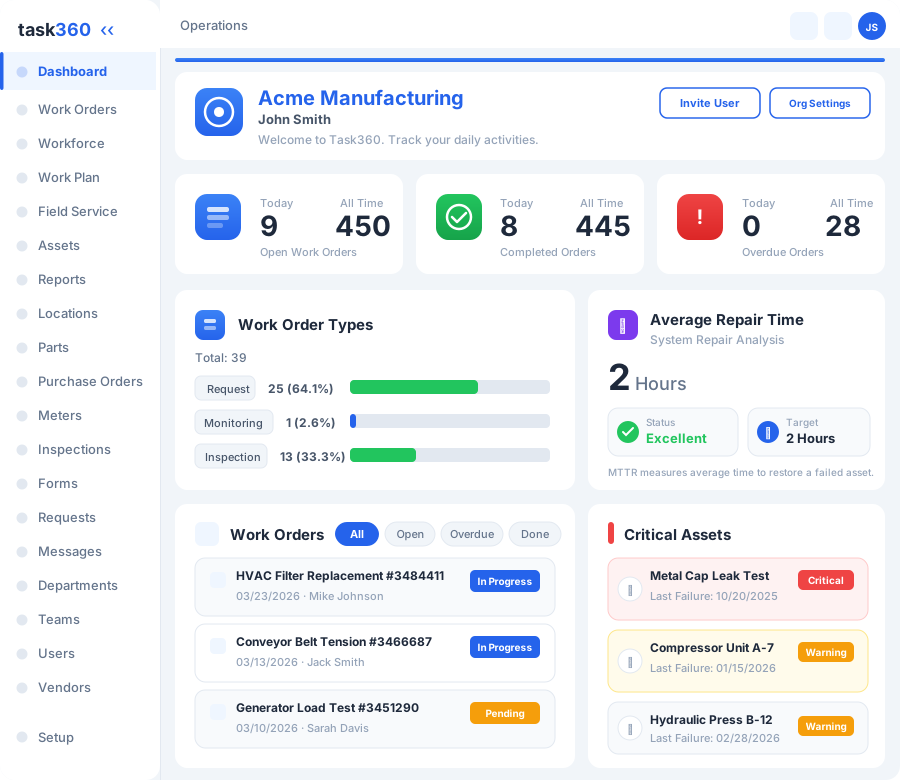
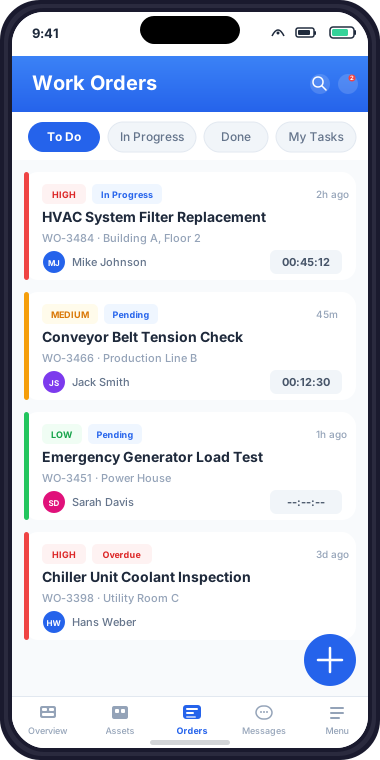
Ever wondered how airlines ensure their aircraft operate at peak performance? Enter CMMS, or Computerized Maintenance Management Systems, a vital tool in the aviation industry’s quest for efficiency and safety. CMMS software isn’t just a fancy addition to an airline’s toolkit; it’s a game-changer.
Imagine an aircraft as a finely tuned orchestra, where every instrument must play its part flawlessly for the performance to soar. Similarly, an airplane’s equipment—from engines to avionics—requires meticulous maintenance to ensure safety and reliability. This is where CMMS steps in, orchestrating maintenance schedules, tracking parts inventory, and optimizing workflows with precision.
At its core, CMMS streamlines maintenance operations by automating tasks that once relied on spreadsheets and manual processes. For airlines, this means fewer delays due to unexpected breakdowns and reduced operational costs from better resource allocation. By scheduling regular inspections and preventive maintenance tasks, CMMS helps detect potential issues before they escalate, thereby enhancing overall equipment reliability.
Furthermore, CMMS software isn’t just about reacting to problems—it’s about predicting and preventing them. Through data analytics and predictive maintenance algorithms, CMMS can forecast equipment failures based on usage patterns and historical data. This proactive approach not only minimizes downtime but also extends the lifespan of critical aircraft components.
In the competitive airline industry, where efficiency is paramount, CMMS provides a strategic advantage. Airlines that leverage CMMS effectively can maintain regulatory compliance more easily, improve aircraft availability, and ultimately deliver a smoother flying experience for passengers.
As technology evolves, so too does the role of CMMS in aviation. From integrating with IoT sensors to enhancing mobile accessibility for maintenance crews, the future promises even greater capabilities. In essence, CMMS isn’t just a tool; it’s a cornerstone of modern aviation maintenance, ensuring that every flight takes off on time and with confidence.
This article highlights the importance of CMMS in enhancing aircraft equipment performance for airlines, using engaging language and relevant analogies to captivate the reader’s interest.
Optimizing Fleet Efficiency: The Impact of CMMS on Aircraft Maintenance
Imagine CMMS as the brain behind the scenes, constantly analyzing data, scheduling maintenance tasks, and ensuring that every aircraft is in prime condition for its next flight. It’s like having a dedicated team of expert mechanics and schedulers working around the clock, except it’s all happening within the digital realm.
One of the most significant impacts of CMMS is its ability to streamline maintenance operations. By digitizing maintenance records and schedules, it reduces paperwork and human error, allowing maintenance crews to focus more on actual repairs and less on administrative tasks. This efficiency translates directly into cost savings and increased uptime for aircraft.
Moreover, CMMS enables predictive maintenance. By analyzing historical data and real-time diagnostics, these systems can predict when components are likely to fail before they actually do. This proactive approach minimizes unscheduled maintenance events and prevents costly disruptions to flight schedules.
In addition to operational benefits, CMMS enhances safety. By ensuring that maintenance tasks are performed on time and in accordance with regulatory standards, it helps airlines maintain a high level of safety and compliance with aviation authorities.
Flying High: Enhancing Safety and Reliability with CMMS in Airline Operations
CMMS software isn’t just another piece of tech—it’s the backbone of airline maintenance. Imagine it as a digital brain meticulously overseeing every aircraft’s health and performance. From routine inspections to emergency repairs, CMMS keeps a vigilant eye on maintenance schedules, parts inventory, and compliance requirements.
One of CMMS’s standout features is its ability to schedule preventive maintenance. Like a diligent clockmaker who regularly oils gears to prevent wear, CMMS ensures that every aircraft undergoes timely check-ups and repairs. This proactive approach not only minimizes the risk of in-flight issues but also extends the lifespan of critical components.
Moreover, CMMS doesn’t just stop at scheduling. It’s also a data powerhouse. By logging maintenance activities and performance metrics, CMMS provides airlines with invaluable insights. Imagine having a crystal ball that predicts when an engine might need servicing or identifies trends in part failures. This predictive capability allows airlines to preemptively address issues, reducing downtime and enhancing operational efficiency.
In the high-stakes world of aviation, where safety and reliability are non-negotiable, CMMS stands as a beacon of assurance. It’s the digital guardian angel silently ensuring that every flight takes off and lands without a hitch. By integrating cutting-edge technology with meticulous planning, CMMS helps airlines not only meet but exceed stringent safety standards.

As airlines navigate the skies, passengers can rest assured that behind every smooth journey lies the meticulous work of CMMS. It’s the unseen force that keeps planes flying high, instilling confidence in both crew and passengers alike. With CMMS at the helm, the future of airline safety and reliability looks clearer than ever before.
From Maintenance to Performance: CMMS and the Modern Airline Fleet
Imagine CMMS as the command center for an airline’s maintenance operations. It’s like the nerve center that keeps track of every nut and bolt across the entire fleet. From routine inspections to major overhauls, CMMS ensures that each aircraft is maintained according to rigorous standards set by regulatory bodies and the airline itself.

But CMMS goes beyond just scheduling maintenance tasks. It’s about optimizing the performance of each aircraft. Think of it as a personal trainer for planes. Just like how athletes need tailored training plans to excel, airplanes too benefit from personalized maintenance schedules and performance analyses provided by CMMS.
For airlines, minimizing downtime is crucial. Every hour a plane is grounded for maintenance is potential revenue lost. CMMS plays a vital role here by streamlining workflows and reducing turnaround times. It helps maintenance crews work smarter, not harder, ensuring that planes spend more time in the air than on the ground.
Moreover, in the world of aviation, safety is paramount. CMMS helps ensure that every aircraft is in peak condition before takeoff, reducing the risk of in-flight issues due to mechanical failures. This proactive approach not only enhances passenger safety but also boosts the airline’s reputation for reliability.
In essence, CMMS is the backbone of modern airline fleet management. It integrates seamlessly with other airline systems, such as flight scheduling and crew management, to provide a holistic view of operations. Airlines that invest in robust CMMS solutions are better positioned to navigate the complexities of modern air travel, where efficiency and safety are non-negotiable.
Reducing Downtime, Maximizing Flight Time: CMMS Benefits for Airlines
In the fast-paced world of aviation, every minute counts. Airlines strive for efficiency and reliability to keep their planes in the air as much as possible. This is where Computerized Maintenance Management Systems (CMMS) play a pivotal role. CMMS software offers a comprehensive solution to streamline maintenance operations, ensuring aircraft are in optimal condition for flight.
One of the primary advantages of CMMS for airlines is its ability to reduce downtime significantly. By implementing a structured maintenance schedule and automating maintenance tasks, CMMS helps prevent unexpected breakdowns that can ground an aircraft. This proactive approach minimizes disruptions to flight schedules, enhancing overall operational efficiency.
Moreover, CMMS facilitates better resource management within airlines. It allows maintenance teams to plan and allocate resources effectively, from spare parts to manpower. With real-time data and analytics, maintenance crews can prioritize tasks based on criticality, ensuring that aircraft are serviced promptly without unnecessary delays.
Another key benefit of CMMS is its role in extending the lifespan of aircraft components. By tracking maintenance histories and performance metrics, airlines can identify trends and patterns that lead to wear and tear. This proactive maintenance strategy not only improves safety but also reduces long-term maintenance costs.
Furthermore, CMMS enhances compliance with regulatory requirements. Airlines operate in a highly regulated environment, and CMMS helps ensure that all maintenance activities adhere to industry standards and guidelines. This reduces the risk of fines and penalties while maintaining a high level of safety for passengers and crew.
In essence, CMMS empowers airlines to maximize flight time by minimizing downtime and optimizing maintenance operations. It integrates technology with operational efficiency, allowing airlines to focus on what they do best – providing safe and reliable air travel experiences.
Data-Driven Decisions: How CMMS Transforms Aircraft Maintenance Strategies
CMMS systems are like the digital brains behind aircraft maintenance operations. They gather vast amounts of data from sensors, inspections, and historical records. This data isn’t just stored; it’s analyzed to provide actionable insights. For instance, trends in engine performance can be spotted early, allowing engineers to schedule maintenance before an issue escalates into costly downtime.
One of the key benefits of CMMS is its ability to optimize workflow. Imagine a scenario where every part needed for maintenance is ready precisely when required. No more last-minute scrambles or delays due to missing components. CMMS ensures that inventory levels are monitored in real-time, triggering alerts when stocks run low. This proactive approach not only saves time but also reduces operational costs significantly.
Moreover, CMMS facilitates compliance with stringent aviation regulations. By maintaining meticulous records and automating compliance checks, CMMS systems help airlines and maintenance providers stay ahead of audits effortlessly. This level of transparency and adherence to regulations instills confidence in passengers and stakeholders alike.
In essence, CMMS transforms aircraft maintenance from reactive to proactive. It shifts the focus from fixing problems as they arise to preventing them from occurring in the first place. This shift not only improves safety but also enhances the overall reliability of aircraft fleets. Airlines can operate with greater efficiency and confidence, knowing that their maintenance strategies are backed by solid data and predictive analytics.
Frequently Asked Questions
What are the specific advantages of using CMMS for aircraft equipment maintenance?
Discover the specific advantages of using CMMS (Computerized Maintenance Management System) for aircraft equipment maintenance. Learn how CMMS streamlines scheduling, improves asset reliability, enhances compliance with regulatory standards, and reduces operational costs.
What role does CMMS play in ensuring compliance with aviation regulations?
Learn how CMMS (Computerized Maintenance Management Systems) help aviation operators comply with regulations by ensuring systematic tracking, scheduling, and documentation of maintenance activities. This software aids in maintaining aircraft safety and operational standards required by aviation authorities.
How does CMMS help reduce downtime and increase aircraft availability?
Learn how CMMS (Computerized Maintenance Management System) optimizes maintenance schedules and tasks, ensuring proactive maintenance that minimizes downtime and boosts aircraft availability.
How can CMMS software improve maintenance efficiency in airline operations?
Discover how CMMS software enhances maintenance efficiency in airline operations by streamlining task management, scheduling preventive maintenance, tracking asset performance, and optimizing inventory management.
What is a CMMS and how does it benefit aircraft performance?
A CMMS (Computerized Maintenance Management System) is a software tool that helps manage and streamline maintenance operations for aircraft. It benefits aircraft performance by ensuring timely maintenance scheduling, tracking of maintenance tasks, and efficient resource allocation. This proactive approach minimizes downtime, improves reliability, and extends the lifespan of aircraft, ultimately enhancing overall operational efficiency and safety.