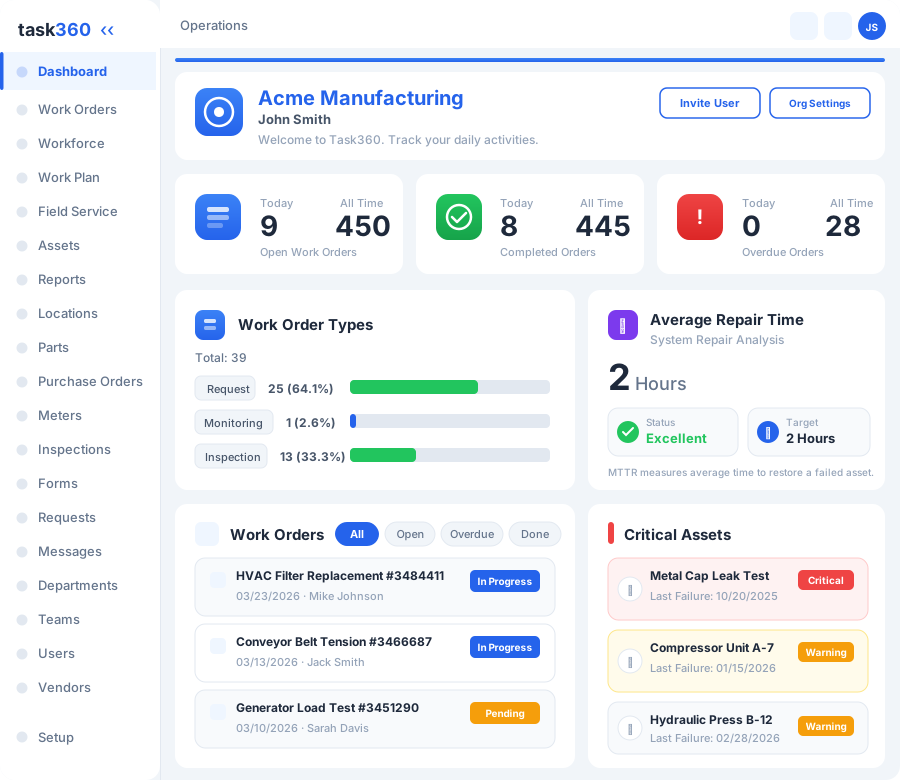
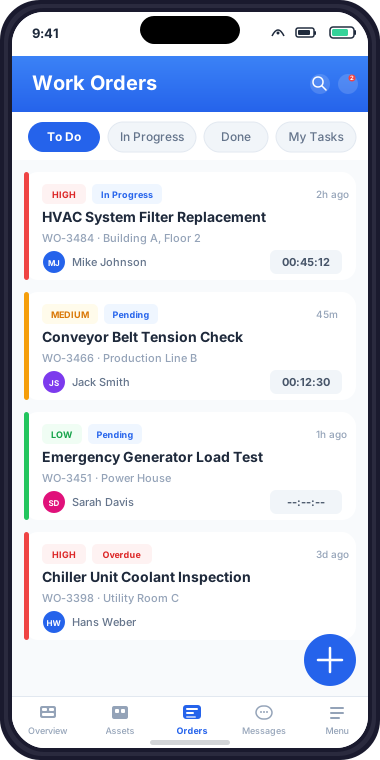
One of the key features of a CMMS is its ability to schedule and track maintenance activities effectively. By automating maintenance schedules based on predefined criteria such as time, usage, or condition, CMMS ensures that equipment and facilities receive timely inspections and repairs. This proactive approach helps prevent unexpected breakdowns and prolongs the lifespan of assets.
Another essential feature is inventory management integration, which allows facilities managers to keep track of spare parts and supplies. CMMS systems can automatically reorder items when stock levels are low, reducing the risk of delays due to stockouts and optimizing inventory costs.
CMMS also facilitates work order management by centralizing requests, assignments, and completion tracking. Maintenance teams can access work orders remotely, update progress in real-time, and prioritize tasks based on urgency and criticality. This transparency improves communication and coordination across teams, leading to faster response times and better service delivery.
Furthermore, CMMS systems provide comprehensive reporting and analytics capabilities. Facility managers can generate detailed reports on maintenance activities, asset performance, costs, and compliance metrics. These insights help in making data-driven decisions to optimize maintenance strategies and allocate resources effectively.
In summary, a CMMS for facilities management acts as a powerful tool to streamline maintenance operations through effective scheduling, inventory management, work order coordination, and insightful analytics. By leveraging these key features, facilities can achieve higher operational efficiency, reduce costs, and ensure the reliability of critical infrastructure.
Unlocking Efficiency: Essential Features of CMMS for Modern Facilities Management
At its core, a CMMS is a digital powerhouse designed to optimize maintenance workflows. It’s like having a virtual assistant dedicated to keeping your facility running smoothly. From scheduling routine inspections to tracking equipment performance, CMMS does it all with precision and ease.
One of the essential features of CMMS is its preventive maintenance capabilities. Think of it as preemptive care for your facility’s assets. By scheduling regular inspections and maintenance tasks, CMMS helps prevent costly breakdowns and prolongs the lifespan of equipment. It’s like giving your facility a proactive health check, ensuring everything operates at peak efficiency.
But CMMS isn’t just about maintenance; it’s also a hub for data-driven decision-making. By collecting and analyzing performance metrics, CMMS provides valuable insights into operational trends. This data empowers facility managers to make informed decisions, whether it’s optimizing resource allocation or planning for future upgrades. It’s like having a crystal ball that forecasts your facility’s needs.
Another standout feature is inventory management. CMMS tracks spare parts and supplies in real-time, eliminating guesswork and reducing downtime. Imagine having the right part available exactly when it’s needed, minimizing disruptions and maximizing productivity.
Streamline Operations: Top Features Every CMMS Needs in Facility Maintenance
Firstly, preventive maintenance scheduling is indispensable. This feature allows facilities to proactively schedule regular maintenance tasks based on equipment usage or predefined time intervals. By addressing potential issues before they escalate, organizations can minimize unexpected breakdowns and extend equipment lifespan.
Secondly, robust work order management is essential for efficient operations. A CMMS should facilitate the creation, assignment, and tracking of work orders from initiation to completion. This includes real-time updates on progress, resource allocation, and task prioritization, ensuring that maintenance teams operate seamlessly and respond promptly to issues.
Another critical feature is inventory and asset management. Effective CMMS solutions enable comprehensive tracking of equipment and spare parts, including inventory levels, usage history, and reorder points. This ensures that necessary resources are always available, reducing delays and optimizing inventory costs.
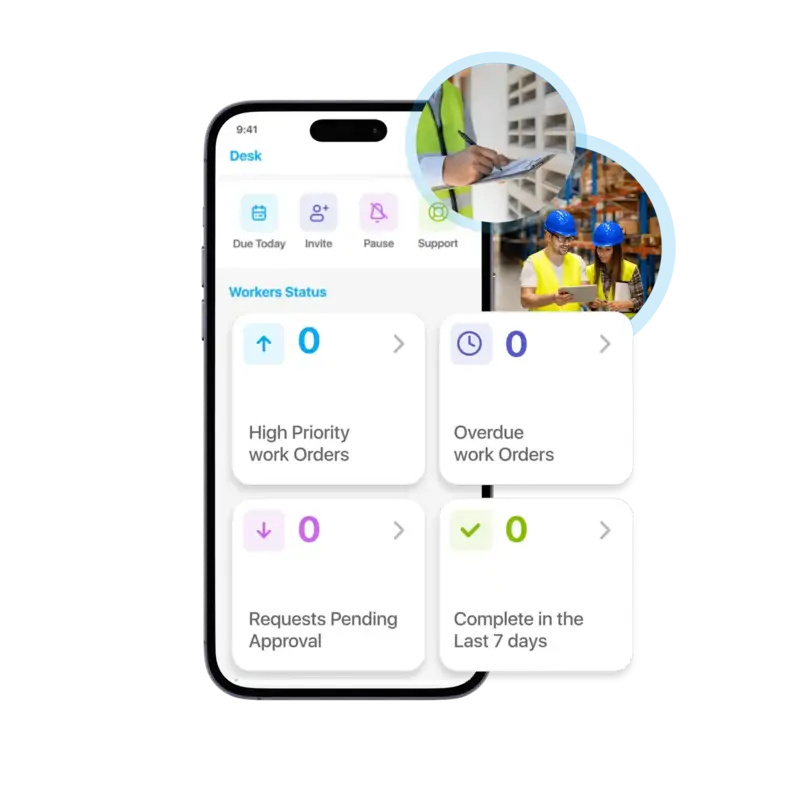
Moreover, mobile accessibility is increasingly vital in today’s dynamic work environments. A CMMS with mobile capabilities allows maintenance teams to access information, update work statuses, and receive alerts on the go. This flexibility enhances responsiveness and empowers technicians to address urgent issues promptly, regardless of their location.
Furthermore, integration capabilities with other systems such as IoT sensors or ERP software enhance the functionality of a CMMS. By aggregating data from various sources, organizations gain deeper insights into operational performance and can make data-driven decisions to optimize maintenance strategies.
A well-equipped CMMS is crucial for facility maintenance operations to streamline processes, enhance efficiency, and reduce operational costs. By incorporating features like preventive maintenance scheduling, robust work order management, inventory and asset tracking, mobile accessibility, and integration capabilities, organizations can effectively manage maintenance activities and ensure uninterrupted facility operations.
Optimize Facility Performance: Key Components of Effective CMMS Systems
Key components of an effective CMMS include robust asset management capabilities. This involves maintaining a comprehensive database of all equipment and facilities, including their specifications, maintenance history, and current operational status. By tracking asset performance over time, CMMS enables proactive maintenance planning and resource allocation.
Another vital aspect is work order management. CMMS facilitates the creation, assignment, and tracking of work orders, ensuring timely resolution of maintenance issues. Maintenance teams can prioritize tasks based on urgency and criticality, optimizing workflow and minimizing disruptions to facility operations.
Preventive maintenance scheduling is also central to CMMS functionality. By automating routine inspections and servicing based on predefined schedules or equipment usage metrics, CMMS helps prevent unexpected breakdowns and extends equipment life. This proactive approach reduces emergency repairs and associated costs, promoting overall operational stability.
Furthermore, CMMS systems offer reporting and analytics capabilities. They generate insightful reports on maintenance activities, asset performance, and compliance metrics. These analytics enable data-driven decision-making, allowing facilities to identify trends, allocate resources efficiently, and optimize maintenance strategies for continuous improvement.
In essence, a well-implemented CMMS enhances facility performance by providing a centralized platform for asset management, work order efficiency, preventive maintenance scheduling, and data-driven insights. By leveraging these key components, organizations can achieve operational excellence, reduce costs, and ensure optimal functionality of their facilities over the long term.
From Maintenance to Mastery: How CMMS Enhances Facility Management
CMMS streamlines maintenance tasks by centralizing data on equipment, work orders, and schedules. This centralized approach eliminates the chaos of manual systems, where paperwork and communication gaps can lead to costly delays. By automating maintenance workflows, CMMS not only reduces downtime but also enhances the lifespan of equipment through timely repairs and preventive maintenance.
Imagine a facility where every maintenance request is seamlessly logged, prioritized, and assigned to the right technician with just a few clicks. CMMS makes this possible, ensuring that critical issues are addressed promptly while routine tasks are efficiently managed. This proactive maintenance approach not only saves time but also minimizes the risk of sudden breakdowns that could disrupt operations.
Moreover, CMMS goes beyond reactive maintenance. It empowers facility managers with data-driven insights into equipment performance and maintenance trends. By analyzing historical data, managers can optimize resource allocation, predict maintenance needs, and make informed decisions to improve overall operational efficiency.
In essence, CMMS transforms facility management from a reactive firefighting mode to a proactive, strategic endeavor. It enables facilities to achieve mastery by fostering a culture of continuous improvement and efficiency. Just as a conductor orchestrates a symphony, CMMS harmonizes the various elements of facility management into a cohesive and productive whole.
Built for Success: Must-Have Features of CMMS in Facility Maintenance
Imagine CMMS as your digital maestro, orchestrating a symphony of maintenance tasks with precision and finesse. At its core, CMMS is designed to streamline maintenance workflows, ensuring every piece of equipment and infrastructure operates at peak performance. But what are the must-have features that elevate CMMS from good to great?
First and foremost, CMMS excels in asset management. Picture each piece of machinery or facility component as a performer in a grand production. CMMS not only tracks these assets but also maintains comprehensive records of their lifecycle—from installation to maintenance schedules and repairs. This proactive approach prevents unexpected breakdowns, keeping operations humming smoothly.
Next up is work order management, the conductor’s baton in this analogy. CMMS allows facility managers to create, assign, and track work orders effortlessly. Whether it’s routine maintenance tasks or urgent repairs, this feature ensures that every job is completed on time, minimizing downtime and maximizing productivity.
Data analytics is another star player in CMMS’s ensemble. Like a skilled analyst, CMMS crunches the numbers—equipment performance metrics, maintenance costs, downtime trends—to provide actionable insights. This data-driven approach empowers decision-makers to optimize resource allocation and fine-tune maintenance strategies for even greater efficiency.
And let’s not forget about mobile functionality, the agile performer that takes CMMS beyond the confines of the office. With mobile access, maintenance teams can update work orders on the go, check equipment status in real-time, and even scan QR codes for instant asset details. It’s like having a virtual assistant in your pocket, ready to tackle maintenance challenges wherever they arise.
Beyond Breakdowns: Essential CMMS Features for Preventive Maintenance
Imagine your business operations running smoothly day in and day out, without unexpected breakdowns halting productivity. That’s the promise of preventive maintenance, a proactive approach facilitated by Computerized Maintenance Management Systems (CMMS). These systems are not just about fixing issues when they arise but rather about preventing them from happening in the first place. Let’s delve into the essential features that make CMMS invaluable for effective preventive maintenance.
CMMS provides real-time visibility into your assets, whether it’s machinery on the factory floor or HVAC systems in commercial buildings. By tracking asset performance metrics such as runtime, usage patterns, and historical data, businesses can identify potential failures before they occur. This proactive monitoring ensures equipment operates optimally and reduces the risk of costly downtime.
One of the key features of CMMS is its ability to schedule maintenance tasks based on usage, time, or condition. This proactive scheduling ensures that equipment receives regular inspections, lubrication, and adjustments. By adhering to manufacturer-recommended maintenance intervals, businesses extend the lifespan of their assets and maintain operational efficiency.
Efficient work order management is crucial for executing preventive maintenance tasks seamlessly. CMMS allows users to create, assign, and track work orders from initiation to completion. Maintenance teams receive notifications for upcoming tasks, ensuring timely inspections and preventive measures. This streamlined process minimizes paperwork, enhances communication, and keeps operations running smoothly.
CMMS systems integrate inventory and procurement functionalities to support preventive maintenance efforts. Maintenance teams can manage spare parts inventory, track usage, and automate reorder points. This ensures that necessary parts are always available, reducing downtime caused by waiting for replacements.

In today’s fast-paced environment, mobile accessibility is a game-changer for maintenance teams. CMMS platforms offer mobile applications that enable technicians to access work orders, update task statuses, and record inspection findings from anywhere. This flexibility improves response times, enhances data accuracy, and empowers field personnel to be more productive.
Data-driven decision-making is facilitated through robust analytics and reporting capabilities within CMMS. Businesses can analyze maintenance trends, equipment performance metrics, and costs associated with breakdowns versus preventive measures. These insights enable continuous improvement of maintenance strategies and allocation of resources where they are most needed.
CMMS systems go beyond reactive maintenance by empowering businesses to adopt preventive strategies. By leveraging real-time asset tracking, scheduled maintenance plans, efficient work order management, inventory control, mobile accessibility, and analytics, organizations can minimize downtime, reduce costs, and ensure seamless operations. Embracing these essential features transforms maintenance from a costly necessity into a strategic advantage.
Managing Complexity: Key Functions of CMMS Software in Facilities

Managing facilities, whether it’s a bustling office complex or a sprawling manufacturing plant, involves juggling countless tasks and resources. This is where CMMS (Computerized Maintenance Management System) software steps in as a game-changer. Imagine it as the conductor of an orchestra, harmonizing maintenance schedules, equipment data, and workforce efficiency into a seamless symphony of operations.
One of the standout functions of CMMS software lies in its ability to streamline maintenance workflows. It acts as a digital blueprint, detailing every aspect of equipment upkeep from routine inspections to unexpected repairs. This not only prevents costly downtime but also ensures that every piece of machinery operates at peak performance.
Another crucial role of CMMS is its role in inventory management. Like a meticulous inventory clerk, it keeps tabs on spare parts, consumables, and supplies needed for maintenance tasks. By maintaining optimal stock levels and automating reordering processes, CMMS helps facilities stay prepared without overstocking or running out of essentials.
Furthermore, CMMS software excels in data analytics. It doesn’t just collect data; it transforms it into actionable insights. Think of it as a detective analyzing clues to predict when equipment might need servicing or which areas of the facility require more attention. This proactive approach minimizes surprises and empowers facilities managers to make informed decisions.
Moreover, CMMS enhances compliance and documentation. It ensures that every maintenance task is logged, tracked, and compliant with industry regulations. This not only fosters a safer working environment but also provides a thorough audit trail for inspections and certifications.
In essence, CMMS software is not just a tool but a strategic ally in managing the intricate dance of facility operations. By centralizing maintenance, optimizing inventory, leveraging data analytics, and ensuring compliance, it empowers facilities to operate smoothly, efficiently, and with confidence.
Frequently Asked Questions
How does a CMMS improve maintenance scheduling and tracking in facilities?
Learn how a CMMS (Computerized Maintenance Management System) enhances maintenance scheduling and tracking in facilities by automating tasks, optimizing resource allocation, and providing real-time insights into equipment status and maintenance history.
What are the benefits of using a CMMS for asset management in facilities?
Discover the advantages of employing a CMMS system for efficient asset management in facilities. Learn how it enhances maintenance scheduling, reduces downtime, extends equipment lifespan, and boosts operational productivity.
How can a CMMS help in reducing downtime and improving productivity?
Learn how a CMMS (Computerized Maintenance Management System) can minimize downtime and enhance productivity through streamlined maintenance scheduling, proactive equipment monitoring, and efficient resource allocation.
What role does preventive maintenance play in CMMS for facilities management?
Preventive maintenance in CMMS (Computerized Maintenance Management Systems) for facilities management plays a crucial role in minimizing equipment downtime and extending asset lifespan. It involves scheduled inspections, routine tasks, and proactive repairs to prevent breakdowns and ensure operational efficiency. By implementing preventive maintenance, facilities can reduce costs associated with unplanned repairs and improve overall maintenance effectiveness.
What essential functionalities does a CMMS offer for facilities management?
Discover the essential functionalities that a CMMS (Computerized Maintenance Management System) provides for effective facilities management. Learn how CMMS streamlines maintenance schedules, manages work orders, tracks inventory, and optimizes asset performance to ensure operational efficiency and cost savings.