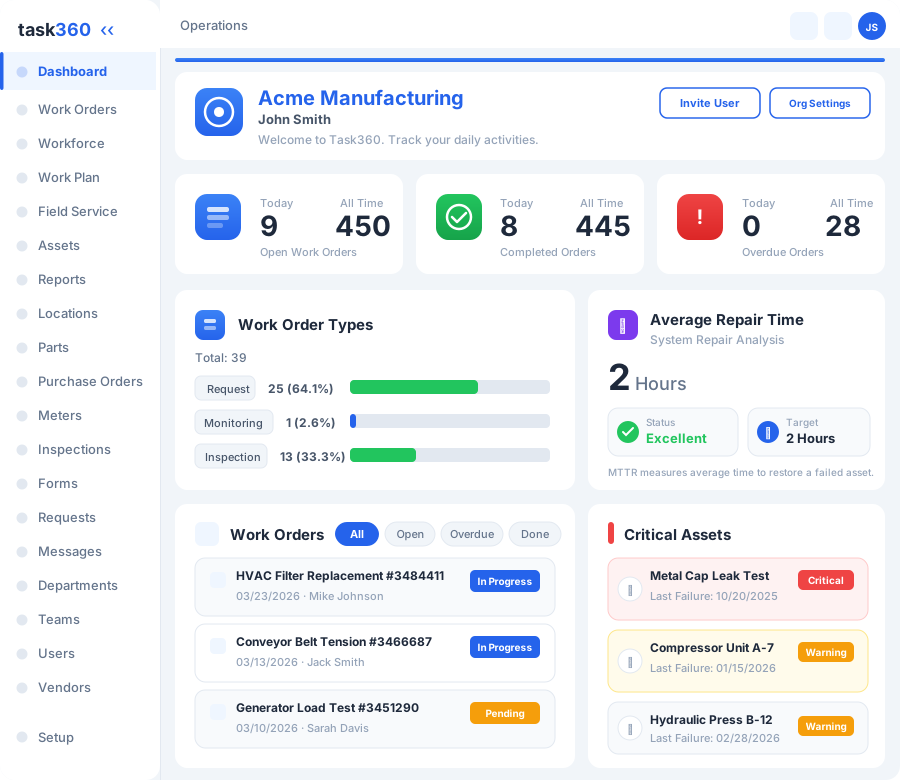
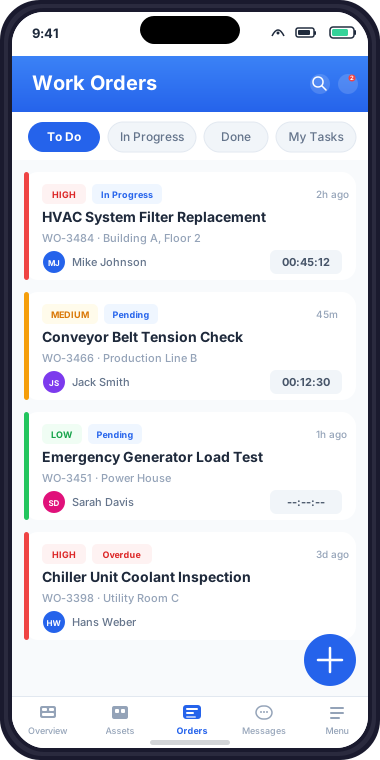
Imagine running a warehouse without a reliable maintenance system—it would be like driving a car without ever changing the oil or checking the tires. Warehouse maintenance is crucial to keeping operations running smoothly, and a Computerized Maintenance Management System (CMMS) is the secret weapon that logistics professionals swear by.
So, what exactly does a CMMS do for warehouse maintenance? Let’s break it down. First off, a CMMS acts like a digital brain for your maintenance operations. It keeps track of all your equipment, from forklifts to conveyor belts, storing crucial data like maintenance schedules, repair history, and even spare parts inventory. This means no more scrambling to find that elusive spare part or forgetting when a machine was last serviced—everything is organized and accessible at the click of a button.
Moreover, a CMMS helps prevent breakdowns before they happen. Think of it as your warehouse’s proactive guardian angel. By scheduling regular maintenance tasks and sending timely reminders, it ensures that equipment stays in peak condition. This proactive approach not only minimizes downtime but also extends the lifespan of your assets, saving you money in the long run.
But wait, there’s more. Efficiency is the name of the game in logistics, and a CMMS boosts efficiency like nothing else. By streamlining workflows and automating routine processes, it frees up your maintenance team to focus on more critical tasks. Imagine reducing paperwork and phone calls, and instead, having real-time insights into maintenance needs—now that’s a game-changer.
And let’s not forget about data-driven decision-making. A CMMS generates insightful reports and analytics that help you identify trends, pinpoint recurring issues, and make informed decisions about your maintenance strategy. It’s like having a crystal ball that predicts when and where problems might occur, allowing you to stay one step ahead.
A CMMS isn’t just a tool—it’s a strategic asset for managing warehouse maintenance in logistics. By centralizing information, promoting proactive maintenance, boosting efficiency, and enabling data-driven decisions, it ensures that your warehouse runs like a well-oiled machine. Ready to take your maintenance game to the next level? It’s time to harness the power of CMMS and unlock the full potential of your logistics operations.
Streamlining Efficiency: Leveraging CMMS for Warehouse Maintenance in Logistics
CMMS software allows logistics companies to schedule and track maintenance tasks systematically. By integrating preventive maintenance schedules, warehouses can minimize downtime due to equipment failures. Imagine a warehouse running like a well-oiled machine, where each component is maintained proactively rather than reactively.
Furthermore, CMMS facilitates real-time monitoring of equipment performance. It provides insights into the health of machinery, enabling preemptive repairs before issues escalate. This proactive approach not only saves time but also reduces costs associated with emergency repairs and unplanned downtime.
Another key benefit of CMMS in warehouse maintenance is its ability to centralize data. By storing information about equipment history, maintenance logs, and spare parts inventory in one accessible platform, warehouse managers can make informed decisions swiftly. It’s akin to having a comprehensive blueprint of your warehouse’s operational health at your fingertips.

Moreover, CMMS enhances communication and collaboration among maintenance teams. Assigning tasks, tracking progress, and documenting outcomes become seamless processes. This fosters a culture of accountability and efficiency, where every team member understands their role in maintaining operational excellence.
In essence, leveraging CMMS for warehouse maintenance in logistics isn’t just about fixing equipment when it breaks down—it’s about optimizing operations proactively. By embracing technology that streamlines efficiency and reduces downtime, logistics companies can stay competitive in a rapidly evolving market landscape.
The Ultimate Guide to Optimizing Warehouse Operations with CMMS
So, you’re running a warehouse and want to take it to the next level of efficiency? Cue the CMMS – the superhero of warehouse management! CMMS, short for Computerized Maintenance Management System, isn’t just about maintenance; it’s the backbone of streamlined operations. Imagine it as your trusty sidekick, keeping everything in check behind the scenes.
Picture this: Your warehouse humming like a well-oiled machine, every part working harmoniously to meet deadlines and exceed expectations. That’s the power of CMMS at work. But how exactly does it work its magic?
Firstly, CMMS tracks everything from equipment maintenance schedules to inventory levels with precision. It’s like having a hawk-eyed assistant who never misses a beat. Need to know when that forklift last had a tune-up? CMMS has got you covered. No more unexpected breakdowns throwing a wrench in your plans – it schedules maintenance like clockwork.
Secondly, efficiency skyrockets when processes are streamlined. CMMS automates routine tasks, freeing up valuable time for your team to focus on what really matters – fulfilling orders swiftly and accurately. Think of it as having your best team on the floor, without the overhead costs.
Moreover, data is power, and CMMS is a data powerhouse. It crunches numbers on everything from stock movement patterns to supplier lead times. Ever wondered where your operational bottlenecks are? CMMS not only identifies them but also suggests improvements, turning your warehouse into a lean, mean, efficient machine.
But wait, there’s more! CMMS isn’t just for the big players. Small and medium-sized warehouses can also benefit immensely. It levels the playing field by providing tools that were once exclusive to large corporations. Imagine competing with the big dogs without breaking a sweat – that’s the democratizing power of CMMS.
If you’re serious about optimizing your warehouse operations, CMMS is your go-to solution. It’s not just a tool; it’s a strategic investment in your warehouse’s future. Embrace CMMS, and watch your efficiency soar to new heights. Ready to revolutionize your warehouse? The time is now, and CMMS is your secret weapon.
This article aims to inform and engage readers by using a conversational tone, addressing them directly, and highlighting the benefits of using CMMS in warehouse operations.
CMMS: Transforming Warehouse Maintenance in the Logistics Sector
CMMS software is designed to streamline maintenance operations in logistics sectors, ensuring that equipment and facilities remain in optimal condition. It works by digitizing maintenance workflows, allowing maintenance teams to schedule preventive maintenance tasks and track work orders with ease. By centralizing maintenance data, CMMS enables quick access to equipment histories, maintenance logs, and performance metrics, all in one place.
One of the key benefits of CMMS in warehouse maintenance is its ability to reduce downtime. By proactively scheduling maintenance tasks based on equipment usage and performance data, CMMS helps prevent unexpected breakdowns that could disrupt warehouse operations. This proactive approach not only saves time but also minimizes costs associated with emergency repairs and lost productivity.
Moreover, CMMS enhances inventory management within warehouses. By keeping track of spare parts inventory and automating reorder processes, CMMS ensures that maintenance teams have the necessary resources on hand when they are needed. This efficiency in inventory management translates into smoother operations and better resource allocation.
Another critical feature of CMMS is its reporting capabilities. Through detailed analytics and customizable reports, warehouse managers can gain insights into maintenance trends, equipment performance, and workforce productivity. These insights empower decision-making processes, allowing managers to optimize maintenance strategies and allocate resources effectively.
Boosting Productivity: Harnessing CMMS for Warehouse Maintenance

CMMS software acts as a digital brain, overseeing maintenance schedules, work orders, inventory of spare parts, and historical data of equipment performance. It’s like having a dedicated assistant who never forgets a task and always knows the best course of action. This system not only schedules preventive maintenance to prevent breakdowns but also optimizes the efficiency of reactive maintenance when unexpected issues arise.
By harnessing CMMS for warehouse maintenance, companies streamline operations. Imagine a well-oiled machine where every gear turns smoothly, minimizing downtime and maximizing uptime. This efficiency translates directly into cost savings and increased throughput.
Moreover, CMMS doesn’t just stop at reactive and preventive maintenance. It facilitates predictive maintenance too, using data analytics to foresee potential failures before they happen. It’s akin to predicting the weather: armed with insights, warehouse managers can preemptively address issues, ensuring operations run like clockwork.
Furthermore, CMMS enhances compliance and safety standards. It ensures that equipment meets regulatory requirements and operates under safe conditions, protecting both employees and assets. It’s akin to having a vigilant safety officer who monitors every corner of the warehouse, preempting hazards before they pose a threat.
In essence, harnessing CMMS for warehouse maintenance isn’t just about fixing things when they break. It’s about proactive management, predictive insights, and overall operational excellence. It’s about turning a warehouse into a finely-tuned engine where productivity thrives and downtime dwindles.
Why CMMS is Essential for Effective Warehouse Management in Logistics
Picture this: a warehouse bustling with activity, goods moving in and out, shelves stacked high. Now, think of the machinery and equipment that keep this operation running smoothly – conveyor belts, forklifts, automated picking systems. These are the backbone of warehouse logistics. And like any well-used machinery, they require maintenance to stay in top shape.
Here’s where CMMS shines bright. It’s like having a proactive maintenance planner at your fingertips. CMMS software allows warehouse managers to schedule and track maintenance tasks with precision. From routine inspections to preventive maintenance, CMMS ensures that equipment downtime is minimized. This means fewer surprises and more predictable operations.
But CMMS isn’t just about reacting to maintenance needs; it’s about predicting them. Imagine receiving alerts when a critical piece of equipment is due for servicing before it breaks down. That’s the power of predictive maintenance enabled by CMMS. It helps warehouses save costs by preventing costly repairs and unexpected downtime.
Moreover, CMMS streamlines the entire maintenance process. It centralizes maintenance data, making it easily accessible to all stakeholders. Whether it’s historical maintenance records or upcoming tasks, everyone from technicians to warehouse managers can stay informed and accountable.
In the competitive landscape of logistics, efficiency isn’t just a buzzword – it’s a competitive edge. Warehouses equipped with CMMS are better positioned to meet customer demands promptly and accurately. Imagine fulfilling orders faster, reducing lead times, and maintaining a stellar reputation for reliability.
Innovative Solutions: Using CMMS to Enhance Warehouse Maintenance
Maintaining an efficient warehouse operation requires more than just physical upkeep—it demands strategic management of assets and resources. This is where Computerized Maintenance Management Systems (CMMS) step in as a revolutionary tool for streamlining maintenance processes. CMMS software empowers warehouse managers by digitizing and centralizing maintenance activities, thereby enhancing overall operational efficiency.
Imagine a warehouse where every piece of equipment, from conveyor belts to forklifts, is meticulously monitored and serviced without manual oversight. CMMS makes this possible by automating maintenance schedules based on predefined criteria such as usage hours or predictive analytics. By proactively scheduling maintenance tasks, CMMS helps prevent costly breakdowns and downtime, ensuring that operations run smoothly.
Moreover, CMMS enables real-time tracking of inventory and spare parts, facilitating quick responses to maintenance needs. When a machine requires servicing, warehouse staff can instantly check the availability of parts and assign tasks to maintenance teams through the software. This reduces turnaround times and optimizes resource allocation, improving overall productivity.
In addition to preventive maintenance, CMMS provides comprehensive data analytics capabilities. It generates detailed reports on equipment performance, maintenance costs, and uptime metrics. These insights empower warehouse managers to make data-driven decisions, such as optimizing maintenance schedules or identifying areas for improvement in asset utilization.
Furthermore, CMMS fosters a culture of accountability and transparency within warehouse teams. Each maintenance activity is logged and documented, creating an audit trail that enhances compliance with regulatory standards and internal protocols. This ensures that all maintenance tasks are carried out efficiently and in accordance with safety guidelines.
CMMS represents a paradigm shift in warehouse maintenance management, offering innovative solutions to enhance operational efficiency and reduce costs. By leveraging technology to automate and optimize maintenance processes, warehouses can achieve higher levels of reliability, productivity, and overall performance.
Maximizing Uptime: The Role of CMMS in Logistics Warehouse Maintenance
Imagine a bustling warehouse where every minute counts. From receiving goods to dispatching orders, every aspect hinges on the seamless functioning of equipment and infrastructure. Here’s where CMMS steps in as a game-changer. It’s not merely about reacting to breakdowns but proactively managing maintenance schedules and tasks.
CMMS software empowers logistics managers by centralizing maintenance activities into one streamlined system. It acts as a digital nerve center, housing comprehensive data on equipment, spare parts inventory, work orders, and historical maintenance records. This centralized approach allows for predictive maintenance, where potential issues are identified before they disrupt operations. By scheduling preventive tasks based on usage data and manufacturer recommendations, CMMS helps in averting costly breakdowns and downtime.
Furthermore, CMMS enhances operational efficiency by optimizing maintenance workflows. It automates routine processes such as work order generation, assignment to technicians, and tracking of progress. Real-time updates ensure that everyone involved stays informed, facilitating swift decision-making. This not only reduces administrative overhead but also frees up time for maintenance teams to focus on critical tasks.
In essence, CMMS transforms warehouse maintenance from a reactive necessity to a proactive strategy. It minimizes downtime, boosts equipment reliability, and extends asset lifespan. Just as a conductor orchestrates a symphony, CMMS harmonizes maintenance efforts, ensuring each component of the logistics chain operates in sync.
In today’s competitive logistics landscape, uptime isn’t just a metric—it’s a competitive advantage. CMMS doesn’t just keep the wheels turning; it keeps them turning smoothly, efficiently, and with minimal interruptions. For logistics companies aiming to stay ahead, investing in CMMS isn’t just prudent; it’s essential for maximizing uptime and maintaining a competitive edge in the market.
Frequently Asked Questions
How does CMMS help in scheduling preventive maintenance for warehouses?
Learn how CMMS software optimizes warehouse operations by scheduling preventive maintenance tasks. Discover its role in enhancing equipment reliability, reducing downtime, and ensuring smooth warehouse operations.
What features should I look for in a CMMS system for warehouse management?
This FAQ provides essential guidance on selecting a CMMS system for warehouse management. It outlines key features to prioritize, ensuring efficient maintenance and operations within warehouse facilities.
What are the key benefits of using CMMS for logistics and warehouse upkeep?
Learn about the key benefits of using CMMS (Computerized Maintenance Management System) for efficient logistics and warehouse upkeep. Discover how CMMS improves equipment reliability, streamlines maintenance processes, reduces downtime, and enhances overall operational efficiency.
What is a CMMS and how does it streamline warehouse maintenance?
Learn how a CMMS (Computerized Maintenance Management System) optimizes warehouse maintenance by automating scheduling, tracking assets, and managing work orders efficiently.
How can CMMS software improve efficiency in warehouse maintenance tasks?
Learn how CMMS software enhances warehouse maintenance efficiency through streamlined task management, proactive equipment upkeep scheduling, and real-time monitoring of maintenance activities.