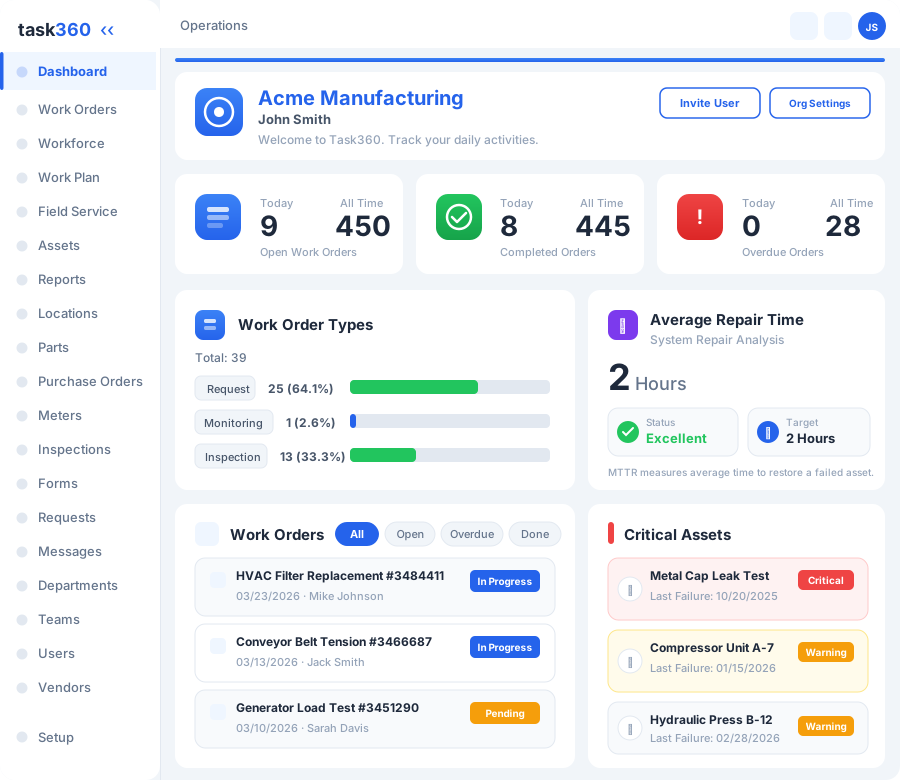
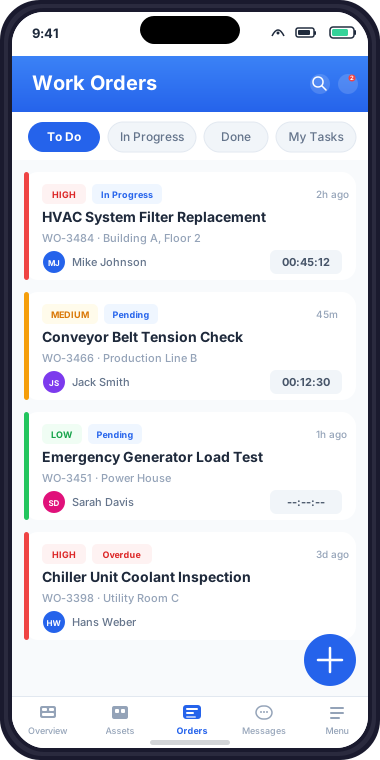
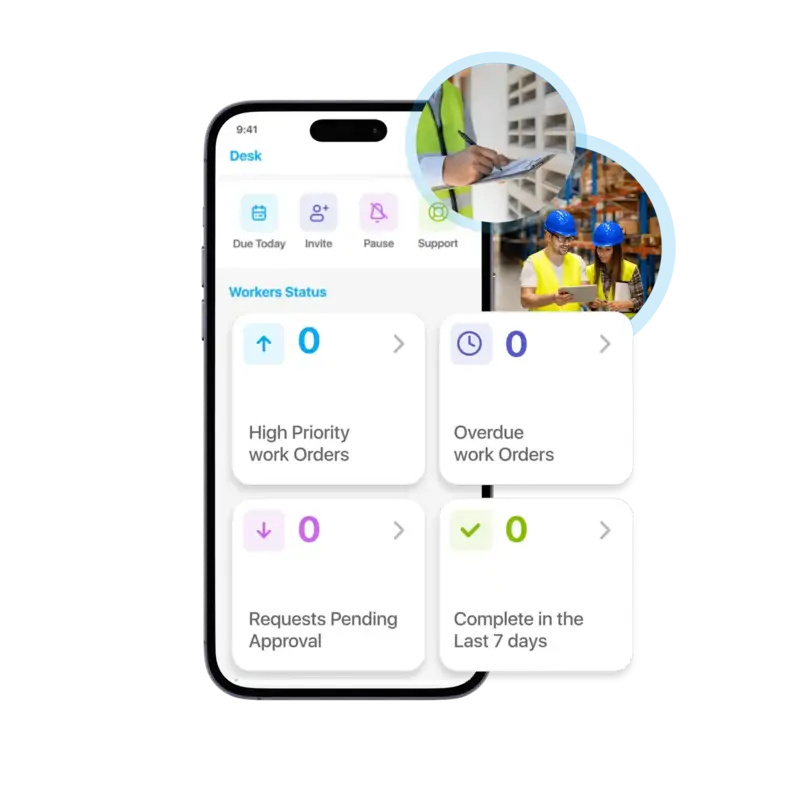
Imagine your fleet as a well-oiled machine, sailing across the vast ocean. Every part of this machine needs regular maintenance to function optimally and prevent breakdowns that could lead to costly delays or even emergencies. A CMMS acts as the chief engineer, keeping track of every component’s health and scheduling necessary maintenance tasks.

How does a CMMS support fleet management in maritime operations?

One of the key advantages of a CMMS in maritime fleet management is its ability to centralize data. Instead of relying on disparate systems or manual records, all maintenance information—from routine inspections to spare parts inventory—is stored in one digital hub. This centralization ensures that ship crews and management have real-time access to critical information, facilitating informed decision-making and swift responses to maintenance needs.

Moreover, a CMMS enhances operational efficiency by streamlining workflows. It automates maintenance scheduling based on predefined criteria such as engine hours, voyage duration, or environmental conditions. By proactively scheduling maintenance, rather than reacting to issues as they arise, downtime is minimized, and the overall reliability of the fleet increases.

Safety is paramount in maritime operations, and a CMMS plays a pivotal role in ensuring compliance with stringent safety regulations. By maintaining detailed maintenance logs and compliance records, ship operators can demonstrate adherence to safety standards during audits or inspections.

Integrating a CMMS into maritime fleet management practices isn’t just about efficiency—it’s about safeguarding assets, optimizing performance, and enhancing safety. By harnessing the power of digital technology, ship operators can navigate the complexities of fleet management with greater confidence and reliability than ever before.

Navigating Efficiency: The Role of CMMS in Streamlining Maritime Fleet Operations

In the dynamic realm of maritime fleet management, efficiency isn’t just a goal; it’s a necessity that defines operational success on the high seas. Enter CMMS, or Computerized Maintenance Management Systems – the unsung hero in the quest for streamlined operations. Picture it as the captain’s trusted navigation system, but for the entire fleet’s maintenance and operational efficiency.

CMMS platforms are like finely tuned compasses, guiding maritime companies through the complexities of maintenance schedules, spare parts inventory, and regulatory compliance. They offer a centralized hub where fleet managers can monitor everything from engine performance to crew safety protocols in real-time, ensuring smooth sailing even amidst turbulent operational waters.

What makes CMMS truly indispensable is its proactive approach to maintenance. Much like how a seasoned sailor anticipates changing tides, CMMS anticipates potential breakdowns by scheduling preventive maintenance tasks. This not only extends the lifespan of critical equipment but also minimizes costly downtime that could otherwise leave ships stranded in port.

Imagine CMMS as the lighthouse beacon guiding ships safely to harbor. It provides clarity amidst the fog of operational challenges, offering actionable insights derived from data analytics. By analyzing past performance trends, fleet managers can make informed decisions about resource allocation and operational strategies, steering their fleets towards greater efficiency and profitability.

Smooth Sailing: Enhancing Fleet Performance Through CMMS Integration

Imagine your fleet as a well-oiled machine, smoothly cruising through challenges with precision and efficiency. This vision becomes a reality with the seamless integration of Computerized Maintenance Management Systems (CMMS). These systems aren’t just about managing maintenance tasks; they’re about optimizing every aspect of fleet operations.

CMMS integration revolutionizes how fleets operate by streamlining maintenance schedules, tracking asset performance, and ensuring timely repairs. By centralizing data and automating maintenance workflows, fleet managers gain real-time insights into vehicle health and utilization. This proactive approach minimizes downtime, enhances reliability, and extends the lifespan of fleet assets.

Efficiency is the heartbeat of every successful fleet operation. With CMMS, mundane tasks like scheduling inspections or tracking parts inventory become effortless. This allows your team to focus on strategic initiatives that drive growth and profitability. Imagine the impact of reducing administrative burdens and empowering your workforce to perform at their peak.

Moreover, CMMS integration doesn’t just stop at maintenance. It provides a holistic view of fleet operations, from fuel consumption patterns to driver behavior analytics. This data-driven approach enables informed decision-making, whether it’s optimizing routes to reduce fuel costs or identifying training needs to enhance driver safety.

In today’s competitive landscape, staying ahead requires more than reactive maintenance practices. It demands a proactive strategy that leverages technology to its fullest potential. CMMS integration offers that edge by transforming data into actionable insights, paving the way for smarter fleet management decisions.

From Sea to Software: Leveraging CMMS for Optimal Fleet Maintenance

Imagine CMMS as your digital compass, guiding your fleet maintenance operations with precision and efficiency. From ships to software, this technology transforms how fleet managers oversee vehicle health and operational readiness. By leveraging CMMS, organizations can streamline maintenance schedules, track repairs, and preemptively address potential issues before they escalate into costly setbacks.

CMMS acts as a virtual dockyard, where each vehicle receives meticulous attention tailored to its unique operational demands. Whether managing a fleet of trucks, ships, or aircraft, this system centralizes maintenance data, ensuring every component is accounted for and serviced promptly. Through automated alerts and real-time data analytics, CMMS empowers fleet managers to make informed decisions swiftly, minimizing downtime and optimizing resource allocation.

Picture your fleet as a well-maintained vessel sailing smoothly through unpredictable waters. CMMS enhances operational efficiency by forecasting maintenance needs based on usage patterns and environmental factors. It transforms routine upkeep into a proactive strategy, enhancing safety, reliability, and compliance with regulatory standards.

Just as a seasoned captain relies on navigational aids to steer through turbulent seas, fleet managers depend on CMMS to navigate the complexities of maintenance management. It’s more than software—it’s a strategic ally that ensures your fleet operates at peak performance, reducing costs and enhancing overall productivity.

In today’s fast-paced digital landscape, the synergy between fleet management and CMMS isn’t just advantageous—it’s essential. Embracing this technology isn’t merely adopting a tool; it’s embarking on a transformative journey towards operational excellence and fleet optimization.

Beyond the Horizon: CMMS Solutions Revolutionizing Maritime Fleet Management

In the vast expanse of maritime operations, where every wave counts and efficiency is paramount, CMMS (Computerized Maintenance Management System) solutions are emerging as the silent yet powerful navigators of change. These systems, akin to the guiding stars of ancient seafarers, streamline maintenance processes, enhance operational efficiency, and ensure vessels sail smoothly across the digital seas of modernity.

How does a CMMS support fleet management in maritime operations?

Imagine a fleet where every component hums in perfect harmony, where predictive maintenance isn’t just a goal but a daily reality. CMMS solutions make this possible by integrating data-driven insights with real-time diagnostics, enabling fleet managers to preemptively address issues before they escalate. Like a vigilant lookout scanning the horizon, these systems detect anomalies, recommend optimal maintenance schedules, and ensure vessels remain in peak condition throughout their voyages.

Moreover, CMMS solutions aren’t merely about efficiency; they’re about resilience. They empower maritime operators to weather storms, both literal and figurative, by minimizing downtime and maximizing uptime. This means fewer delays, smoother operations, and ultimately, happier voyages for crew and passengers alike.

In essence, CMMS solutions represent a transformative wave in maritime fleet management, where tradition meets technology in a dance of precision and reliability. They’re the compass guiding ships through unseen currents, the anchor securing them in turbulent waters, and the wind in their sails propelling them towards new horizons of operational excellence.

As the maritime industry continues to evolve, embracing these digital solutions isn’t just an option; it’s a necessity. They are the lighthouses illuminating the path forward, ensuring that fleets not only survive but thrive in an era where every efficiency gain counts. With CMMS solutions at their helm, maritime operators chart a course towards a future where smooth sailing isn’t just a dream—it’s the new standard.

Anchored in Success: CMMS Benefits for Maritime Vessel Maintenance

Maintaining maritime vessels isn’t just about navigating the open seas; it’s about ensuring operational efficiency and safety at all times. Enter CMMS (Computerized Maintenance Management System), a game-changer in the maritime industry. Imagine having a tool that not only tracks maintenance schedules but also predicts potential issues before they disrupt your voyage. That’s the ultimate power of CMMS.

CMMS offers a comprehensive suite of benefits tailored specifically for maritime vessel maintenance. Firstly, it centralizes all maintenance data into one user-friendly platform. This means crew members can access critical information with ease, whether they’re at port or out at sea. By streamlining data management, CMMS minimizes downtime and maximizes productivity.

Moreover, CMMS enhances safety standards onboard. Regular maintenance checks are crucial for maritime safety, and CMMS ensures these checks are performed timely and efficiently. It’s like having a vigilant crew member who never sleeps, constantly monitoring the vessel’s health.

Cost-effectiveness is another key advantage. By proactively managing maintenance schedules and spare parts inventory, CMMS helps maritime companies optimize their budgets. No more unexpected repairs that blow the budget; CMMS enables predictive maintenance, saving both time and money.

In essence, CMMS isn’t just a tool; it’s a strategic asset for maritime success. It empowers crews to focus on what matters most—sailing smoothly and safely. Think of it as the compass guiding vessels through the complexities of maintenance challenges, ensuring they stay anchored in success.

So, whether you’re managing a cargo ship, cruise liner, or offshore platform, embracing CMMS means embracing efficiency, safety, and financial prudence. It’s more than software; it’s a partner in navigating the unpredictable waters of maritime maintenance.

Digital Dockyard: How CMMS Transforms Maintenance for Maritime Fleets

Imagine a bustling port where every ship undergoes meticulous care, akin to a well-oiled machine. CMMS serves as the chief engineer, orchestrating this complex ballet of maintenance activities. It streamlines operations by digitizing maintenance schedules, work orders, and inventory management. From oil changes to hull inspections, every task is seamlessly integrated into a cohesive plan.

One of CMMS’s greatest strengths lies in predictive maintenance. Like a seasoned weather forecaster, it anticipates equipment failures before they occur. By analyzing historical data and performance metrics, CMMS identifies trends and patterns that could lead to potential breakdowns. This proactive approach not only prevents costly downtime but also enhances overall fleet reliability.

In the heart of every maritime operation, downtime is the ultimate adversary. CMMS acts as a vigilant sentinel, minimizing downtime by optimizing maintenance routines. It ensures that critical equipment remains operational, keeping vessels on course and cargo deliveries on schedule. With real-time updates and alerts, maritime engineers can swiftly address issues, ensuring smooth sailing across the seas.

Furthermore, CMMS empowers fleet managers with actionable insights. Through comprehensive reporting and analytics, it provides a clear view of maintenance costs, asset performance, and compliance metrics. Armed with this knowledge, decision-makers can allocate resources efficiently, prioritize investments, and steer their fleets towards greater profitability.

In essence, CMMS isn’t just a tool—it’s a transformative force in maritime maintenance. By harnessing the power of digital innovation, it elevates operational efficiency, reduces costs, and safeguards the integrity of maritime assets. As the maritime industry navigates the waves of technological advancement, CMMS stands as a beacon of reliability, ensuring that every vessel sails with confidence into the future.

Charting Course Efficiency: CMMS Tools for Maritime Operations

CMMS tools streamline maintenance processes onboard ships, offering a centralized platform to monitor and manage critical equipment. Imagine them as the lighthouses guiding ships through foggy waters, providing clarity and direction in maintenance scheduling, inventory management, and asset tracking. This digital approach minimizes downtime, enhances safety, and optimizes resource allocation—vital elements in the dynamic world of maritime operations.

One of the standout features of CMMS tools is their ability to generate predictive maintenance schedules based on real-time data. Similar to weather forecasts predicting storm patterns, these systems analyze historical maintenance data to forecast equipment failures before they occur. This proactive maintenance approach prevents costly breakdowns at sea, ensuring vessels stay operational and crew members safe.

Moreover, CMMS tools offer seamless integration with Internet of Things (IoT) devices, enabling ships to become smarter and more responsive. Sensors installed on critical machinery transmit real-time data to the CMMS, allowing for immediate diagnostics and preemptive repairs. It’s akin to a ship’s radar detecting obstacles ahead, prompting swift adjustments to maintain course efficiently.

CMMS tools are indispensable in modern maritime operations, offering a robust framework for maintaining course efficiency amidst challenging conditions. By harnessing the power of data and automation, these tools empower ship operators to navigate with confidence, ensuring smooth voyages and safe arrivals at every port of call.

Frequently Asked Questions

How does CMMS software help with maintenance scheduling for maritime fleets

Learn how CMMS software optimizes maintenance scheduling for maritime fleets, ensuring efficient management of vessel upkeep, reducing downtime, and enhancing operational reliability.

What is CMMS and how does it benefit maritime fleet management

CMMS (Computerized Maintenance Management System) is a software tool used in maritime fleet management to streamline maintenance activities. It helps optimize vessel uptime by scheduling repairs, managing spare parts, and tracking maintenance history efficiently. CMMS enhances operational efficiency, reduces downtime, and ensures regulatory compliance, thereby improving overall fleet performance and cost-effectiveness.

What role does CMMS play in ensuring compliance and safety for maritime fleets

Discover how CMMS (Computerized Maintenance Management System) ensures compliance and safety for maritime fleets by automating maintenance schedules, tracking regulatory requirements, and enhancing operational efficiency.

How does CMMS facilitate data-driven decision-making in maritime fleet maintenance

Learn how CMMS (Computerized Maintenance Management System) enhances data-driven decision-making in maritime fleet maintenance by centralizing maintenance data, enabling predictive maintenance through analytics, and optimizing resource allocation based on real-time insights.

Can CMMS systems track and manage spare parts inventory for maritime operations

Learn how CMMS systems efficiently track and manage spare parts inventory specifically tailored for maritime operations. Discover how these systems streamline inventory control, enhance maintenance planning, and optimize operational efficiency for maritime fleets.