Managing maintenance in large public facilities can be a daunting task, especially when it comes to HVAC systems. Imagine these systems as the silent guardians of comfort, tirelessly working behind the scenes to keep environments just right—warm in winter, cool in summer. But how do facility managers ensure these crucial systems stay reliable and efficient?
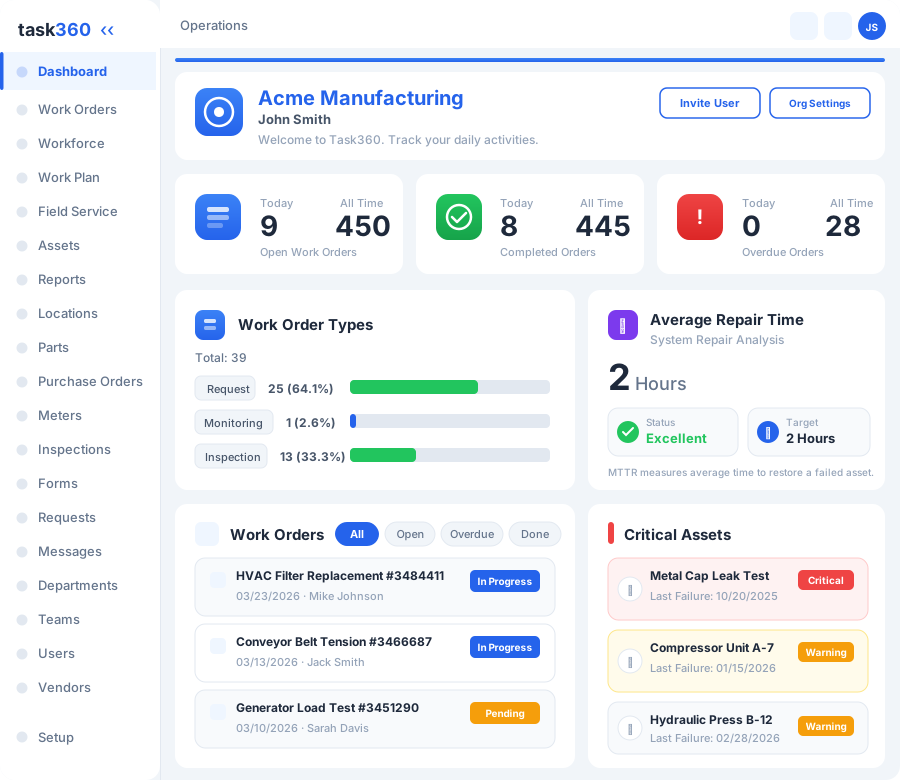
Enter CMMS, the unsung hero of maintenance management. CMMS, or Computerized Maintenance Management System, is like a digital command center that streamlines the upkeep of HVAC systems in public spaces. Think of it as the conductor of an orchestra, harmonizing various maintenance tasks into a smooth symphony.
One of the primary ways CMMS aids in HVAC maintenance is by scheduling regular inspections and servicing. Like a diligent planner, it ensures that each component of the HVAC system—from air handlers to ductwork—is checked at optimal intervals. This proactive approach not only prevents sudden breakdowns but also prolongs the lifespan of equipment, saving costs in the long run.
Moreover, CMMS facilitates comprehensive record-keeping. It logs every maintenance activity, from filter changes to major repairs, creating a historical database. This treasure trove of data enables managers to track trends, identify recurring issues, and make data-driven decisions for better efficiency.
Another key benefit is inventory management. CMMS keeps track of spare parts and supplies needed for HVAC maintenance. It ensures that essential components are always in stock, minimizing downtime during repairs and maximizing operational uptime.
In essence, CMMS transforms HVAC maintenance from reactive fire-fighting to proactive precision. By integrating technology with maintenance practices, it ensures that public facilities remain comfortable and efficient, day in and day out.
This article highlights the role of CMMS in managing HVAC systems in public facilities, emphasizing its proactive approach, record-keeping capabilities, and impact on operational efficiency.
Streamlining HVAC Maintenance: The Crucial Role of CMMS in Public Buildings
CMMS isn’t just a fancy acronym; it’s the backbone of efficient HVAC maintenance in public buildings. Think of it as a digital guardian angel, tirelessly monitoring and optimizing HVAC operations. Its role? To streamline maintenance processes, minimize downtime, and maximize energy efficiency. How does it achieve this superhero status?
Firstly, CMMS centralizes maintenance data. Picture an intricate web where every component of HVAC systems—air handlers, chillers, boilers—are meticulously logged and tracked. This centralized repository ensures that maintenance schedules are adhered to promptly. No more forgetting to change filters or skipping essential inspections!
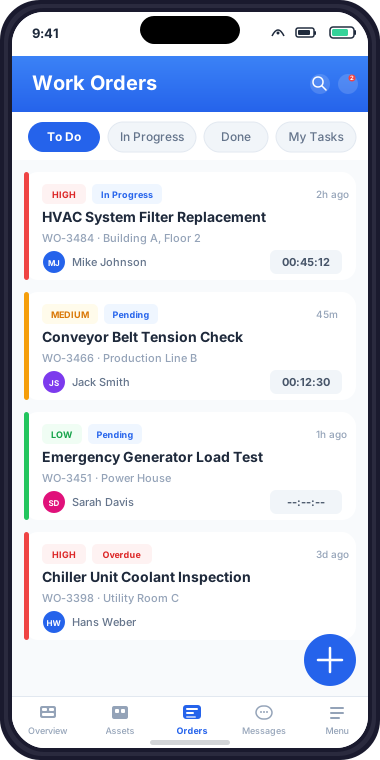
Secondly, CMMS enhances workflow efficiency. Imagine a seamless ballet where maintenance tasks are assigned, tracked, and completed with precision. Technicians receive real-time notifications, detailing their next tasks and priorities. It’s like having a personal assistant nudging you exactly when you need it—only this time, it’s about ensuring the AC in the conference room keeps everyone cool during that crucial presentation.
Thirdly, CMMS is a treasure trove of data-driven insights. It crunches numbers, analyzes trends, and predicts potential HVAC issues before they escalate. It’s akin to a weather forecaster—anticipating storms (or in this case, equipment failures) and allowing proactive measures to be taken. This predictive capability not only saves time and money but also prevents major disruptions in public services.
Efficiency Unleashed: Enhancing HVAC Operations Through CMMS Technology
CMMS systems bring a new level of organization and proactive management to HVAC operations. By digitizing maintenance tasks and schedules, these systems ensure that your heating, ventilation, and air conditioning systems run smoothly without unexpected downtime. Picture it as having a digital assistant dedicated to optimizing your HVAC’s performance, anticipating maintenance needs before they become issues.
One of the key advantages of CMMS technology is its ability to streamline workflows. Technicians can access real-time data about equipment status, upcoming maintenance tasks, and historical performance trends from anywhere. This accessibility allows for quicker decision-making and more efficient resource allocation, ultimately reducing downtime and operational costs.
Moreover, CMMS systems enhance reliability by automating routine tasks like scheduling inspections or ordering replacement parts when inventory levels drop. This proactive approach prevents costly breakdowns and extends the lifespan of HVAC equipment, saving both time and money in the long run.
Think of CMMS technology as the conductor of an orchestra, ensuring each instrument (or HVAC component) plays harmoniously together. It’s about optimizing energy efficiency, improving indoor air quality, and maintaining comfort levels—all while minimizing environmental impact.
Embracing CMMS technology isn’t just about staying ahead of the curve; it’s about transforming HVAC operations into a well-oiled machine that operates at peak efficiency. By harnessing the power of data and automation, businesses can unlock a new era of reliability, cost-effectiveness, and sustainability in their HVAC systems. Ready to take your HVAC operations to the next level? CMMS technology is your ticket to efficiency unleashed.
Maintaining Comfort: CMMS Solutions Revolutionizing HVAC Care in Public Spaces

CMMS, or Computerized Maintenance Management Systems, have been quietly transforming HVAC care in public spaces. These systems are like the vigilant guardians of comfort, ensuring that heating, ventilation, and air conditioning units operate smoothly and efficiently. Think of them as the orchestrators of a grand performance, where each HVAC unit plays its part flawlessly to create a harmonious environment.
But what exactly do CMMS solutions bring to the table? They’re not just about scheduling maintenance or generating work orders — although they do that exceptionally well. CMMS solutions provide a proactive approach to HVAC care. They predict when a unit might need attention before it even shows signs of distress. It’s like having a weather forecaster for indoor climates, anticipating changes and adapting accordingly.
In practical terms, this means fewer disruptions in public spaces. No more sudden temperature spikes or unexpected chills disrupting meetings or leisure time. CMMS solutions ensure that HVAC systems operate at peak efficiency, reducing energy consumption and environmental impact. It’s efficiency with a purpose — keeping everyone comfortable while being mindful of resources.
Picture a well-oiled machine, humming quietly in the background. That’s the role of CMMS solutions in HVAC care. They streamline operations, minimize downtime, and extend the lifespan of equipment. It’s not just about maintaining comfort; it’s about enhancing it, ensuring that every visit to a public space is a pleasant experience.
So next time you step into a library, office building, or shopping mall, take a moment to appreciate the invisible heroes working to keep you comfortable. Behind those walls and ceilings, CMMS solutions are revolutionizing HVAC care, making sure that comfort is always in season.
Optimizing Public Safety: The Impact of CMMS on HVAC Maintenance
CMMS operates as a digital brain for HVAC maintenance, scheduling regular inspections, and preventive upkeep. It doesn’t just react to problems; it anticipates them, preventing potential issues before they disrupt operations. Picture it like a vigilant guard that spots a crack in the fortress wall before it becomes a breach.
This system is not just a luxury but a necessity, especially in large facilities where HVAC failures could mean discomfort for occupants or even compromise safety. By keeping HVAC systems in peak condition, CMMS contributes to energy efficiency, reducing operational costs and environmental impact. It’s akin to a skilled doctor who not only treats ailments but also advises on a healthy lifestyle to prevent future illnesses.
Moreover, CMMS enhances the reliability of HVAC systems, crucial in environments where temperature control is critical, such as hospitals or data centers. It ensures that air quality remains optimal, preventing issues like mold growth or airborne contaminants that could affect public health.
In essence, the impact of CMMS on HVAC maintenance goes beyond operational efficiency; it directly enhances public safety by ensuring systems operate reliably, efficiently, and sustainably. It’s the backbone that supports comfortable and secure environments, allowing everyone to breathe easy – quite literally.
From Reactive to Proactive: CMMS and the Future of Public HVAC Management
Traditionally, HVAC maintenance has been reactive. Systems break down, repairs are urgently dispatched, and downtime disrupts public services. It’s a costly cycle that drains resources and frustrates users. However, with CMMS, the game changes. Think of CMMS as a proactive guardian for HVAC systems. It doesn’t just wait for things to break; it anticipates issues before they occur.
How does it work? Picture a city’s HVAC network as a complex puzzle. CMMS pieces together data from sensors, historical maintenance records, and real-time usage patterns to predict when components might falter. It’s like having a crystal ball that foresees potential failures and alerts maintenance teams beforehand. By scheduling preventive maintenance based on these insights, cities can save significant costs and minimize disruptions.
Moreover, CMMS doesn’t stop at prevention. It optimizes HVAC performance. Imagine tuning a race car to perform at its peak efficiency. CMMS fine-tunes HVAC systems to operate smoothly, ensuring they consume just enough energy without wastage. This not only cuts utility bills but also aligns with sustainability goals, reducing the city’s carbon footprint.
In essence, CMMS transforms public HVAC management from a reactive chore to a proactive strategy. It empowers cities to provide consistent comfort to residents and visitors alike while optimizing operational costs. As technology advances, the future of public HVAC management looks brighter with CMMS leading the charge towards efficiency, sustainability, and reliability.
Data-Driven Cooling: How CMMS Transforms HVAC Service Delivery
Imagine HVAC technicians equipped not just with tools, but with insights. CMMS enables proactive maintenance by analyzing historical data to predict potential issues before they occur. This predictive capability not only prevents costly breakdowns but also extends the lifespan of HVAC equipment. By identifying trends and patterns in data, technicians can schedule maintenance at optimal times, minimizing disruption to building occupants.
Moreover, CMMS transforms reactive repairs into proactive strategies. Instead of waiting for a complaint or malfunction, technicians can monitor equipment health in real-time. This proactive approach ensures that HVAC systems operate at peak efficiency, reducing energy consumption and operational costs over time.
In the realm of customer service, CMMS enhances transparency and accountability. Detailed records of maintenance activities and equipment history provide clarity during customer interactions. Technicians armed with comprehensive data can answer queries confidently and provide recommendations based on actual system performance.
Furthermore, CMMS facilitates regulatory compliance by maintaining accurate records of inspections, repairs, and compliance checks. This ensures that HVAC systems meet safety and environmental standards without oversight.
Frequently Asked Questions
What is CMMS and how does it benefit HVAC maintenance in public facilities?
Learn about CMMS (Computerized Maintenance Management System) and its benefits for HVAC maintenance in public facilities. Discover how CMMS streamlines maintenance tasks, improves equipment uptime, and enhances operational efficiency.
How can CMMS software streamline scheduling and tracking of HVAC maintenance tasks?
Learn how CMMS software optimizes the scheduling and tracking of HVAC maintenance tasks. Discover efficient ways to manage service schedules, monitor equipment performance, and ensure timely maintenance to enhance system reliability and reduce downtime.
What role does CMMS play in reducing downtime and optimizing HVAC system performance?
Learn how CMMS (Computerized Maintenance Management System) minimizes downtime and enhances HVAC system efficiency by streamlining maintenance schedules, prioritizing tasks, and ensuring timely equipment repairs.
How does CMMS help in maintaining compliance with HVAC regulations in public buildings?
Learn how CMMS (Computerized Maintenance Management System) ensures compliance with HVAC regulations in public buildings by automating maintenance schedules, tracking equipment inspections, and generating audit-ready reports.
What are the key features to look for in a CMMS for managing HVAC systems in public facilities?
Discover essential features to consider when selecting a CMMS for managing HVAC systems in public facilities. Learn about functionalities crucial for maintenance efficiency and operational reliability.