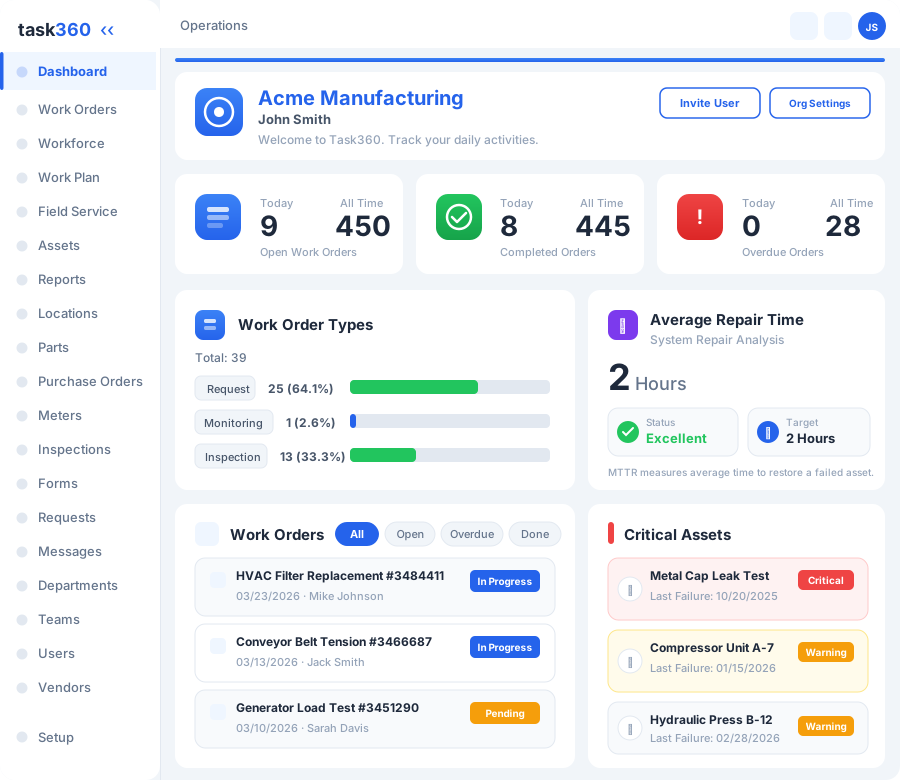
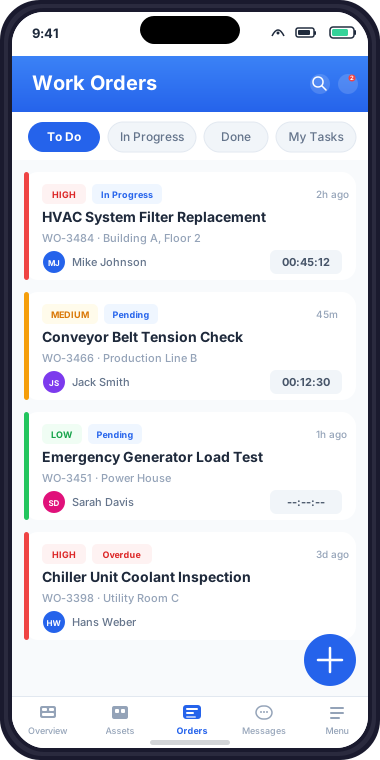
Managing maintenance in airports demands precision and efficiency to ensure smooth operations and passenger safety. One of the key tools aiding in this task is a Computerized Maintenance Management System (CMMS). This software solution plays a crucial role in enhancing maintenance efficiency across airport facilities.
CMMS systems streamline the entire maintenance process by centralizing data related to equipment, assets, and facilities. By digitizing maintenance workflows, airports can schedule preventive maintenance tasks more effectively. For instance, critical equipment like baggage handling systems and runway lighting can be monitored proactively to prevent breakdowns that could disrupt operations.
Moreover, CMMS software enables maintenance teams to access historical data and performance metrics instantly. This access facilitates better decision-making, allowing technicians to identify trends and patterns in equipment failures or maintenance needs. By analyzing this data, airports can optimize their maintenance schedules, allocate resources more efficiently, and reduce downtime significantly.
Furthermore, the real-time tracking capabilities of CMMS systems provide visibility into ongoing maintenance activities. This feature ensures that tasks are completed on time and according to regulatory standards, crucial for maintaining airport safety and compliance.
In essence, the integration of a CMMS in airport operations transforms maintenance from reactive to proactive. It empowers maintenance teams with the tools needed to anticipate issues before they escalate, thereby enhancing overall operational reliability and passenger experience.
This article focuses on how CMMS systems contribute to improving maintenance efficiency at airports, utilizing a conversational tone and emphasizing the benefits of digital maintenance management.
Flying High: Enhancing Airport Maintenance Efficiency with CMMS Technology
Imagine a bustling airport like a finely tuned orchestra, where every instrument plays its part flawlessly. CMMS acts as the conductor, ensuring each maintenance task—from checking runway lights to servicing baggage handling systems—flows seamlessly. It’s the digital brain behind preventive maintenance schedules, tracking equipment performance, and swiftly addressing any issues before they disrupt airport activities.
CMMS technology doesn’t just react to problems; it predicts them. Like a skilled fortune-teller, it analyzes data trends and patterns to forecast potential equipment failures. This proactive approach not only minimizes downtime but also saves costs in the long run by preventing costly repairs.
Think of an airport as a complex ecosystem, where hundreds of moving parts must synchronize perfectly. CMMS optimizes this coordination by centralizing maintenance data, streamlining workflows, and ensuring compliance with safety regulations. It empowers maintenance teams with real-time information, enabling them to prioritize tasks efficiently and respond promptly to emergencies.
Moreover, CMMS isn’t just a tool; it’s a game-changer in how airports operate. By digitizing maintenance processes, it reduces paperwork, eliminates guesswork, and enhances overall operational efficiency. It’s like upgrading from a manual map to a GPS navigation system—smoother routes, fewer detours, and arriving at the destination with precision.
CMMS technology isn’t just about maintaining airports; it’s about elevating them to new heights of efficiency and reliability. It transforms maintenance from a reactive chore to a proactive strategy, ensuring airports can soar without turbulence.
Behind the Scenes: Streamlining Airport Operations with CMMS Solutions
CMMS solutions are the backbone of modern airport management, enabling maintenance teams to efficiently monitor and upkeep crucial infrastructure. From runways and taxiways to baggage handling systems and terminal facilities, every aspect of the airport requires meticulous attention to detail. Imagine the complexity of maintaining a fleet of vehicles, HVAC systems, and electrical networks that must function flawlessly 24/7.
These systems work by integrating data from various sensors and monitoring devices scattered throughout the airport. They provide real-time insights into equipment performance and health, allowing maintenance crews to preemptively address issues before they escalate into costly disruptions. By scheduling routine maintenance tasks and tracking inventory of spare parts, CMMS ensures that everything from escalators to security systems operates at peak efficiency.
One of the greatest benefits of CMMS is its ability to generate detailed reports and analytics. Managers can analyze trends in equipment failures, optimize maintenance schedules, and allocate resources more effectively. This data-driven approach not only reduces downtime but also enhances passenger safety and satisfaction, crucial factors in the competitive airline industry.
Moreover, CMMS solutions contribute to sustainability efforts by promoting energy-efficient practices and reducing environmental impact. By keeping equipment in optimal condition, airports can minimize energy consumption and carbon emissions, aligning with global initiatives for greener aviation.
In essence, while passengers hustle through terminals and planes take off and land, CMMS quietly ensures that everything behind the scenes runs like a well-oiled machine. It’s the unseen hero that keeps airports operational, reliable, and ready for the next takeoff. So next time you’re rushing to catch a flight or waiting at baggage claim, remember the intricate web of technology that makes it all possible.
Keeping the Skies Clear: The Role of CMMS in Airport Maintenance
Imagine an airport as a bustling city in the sky, with planes constantly taking off, landing, and taxiing around. Just like any city, it needs regular maintenance to function efficiently and safely. That’s where CMMS comes into play. It’s like the city’s maintenance planner, keeping track of everything from runway inspections to HVAC system checks.
CMMS software helps airport maintenance crews stay organized and proactive. Instead of reacting to problems as they arise, they can schedule preventive maintenance tasks. This proactive approach helps minimize downtime and ensures that critical equipment is always in top condition.
Take runway inspections, for example. These are not just routine checks; they’re vital to ensuring the safety of every flight. With CMMS, inspectors can log their findings directly into the system, which then triggers alerts for any necessary repairs or follow-up inspections. It’s like having a digital assistant that never sleeps, constantly monitoring the airport’s infrastructure.
But CMMS isn’t just about maintenance tasks. It also plays a crucial role in inventory management. Think of it as the airport’s warehouse manager, keeping track of spare parts, tools, and supplies. This ensures that maintenance crews have everything they need at their fingertips, minimizing delays and keeping operations running smoothly.
Another key benefit of CMMS is data analytics. By analyzing maintenance data over time, airport managers can identify trends and make informed decisions about resource allocation and equipment upgrades. It’s like having a crystal ball that helps predict when equipment might need replacing before it causes any disruptions.
In essence, CMMS is the backbone of airport maintenance operations. It keeps the skies clear by ensuring that all systems are a go, from runway lights to baggage handling systems. Without it, airports would struggle to maintain their high standards of safety and efficiency. So next time you’re waiting for your flight, take a moment to appreciate the role that CMMS plays in keeping everything on track.
Efficiency at Every Gate: Transforming Airport Maintenance with CMMS
Imagine an airport bustling with activity — planes taking off, passengers hurrying to their gates, and luggage rolling along conveyor belts. Amidst this organized chaos, one crucial aspect keeps everything running smoothly: efficient airport maintenance. And at the heart of modern airport maintenance lies CMMS — Computerized Maintenance Management Systems.
CMMS isn’t just another tech acronym; it’s the wizard behind the curtain, ensuring that everything from runway lights to baggage handling systems operates like clockwork. Think of it as a digital brain that schedules maintenance tasks, tracks inventory of spare parts, and even predicts equipment failures before they happen. It’s like having a superhero maintenance crew that never sleeps.
Before CMMS, airport maintenance relied on manual systems that were prone to human error and often reactive rather than proactive. Now, with CMMS in place, maintenance teams can proactively schedule preventive maintenance based on real-time data and historical performance trends. This means fewer surprises and smoother operations, which translates to happier passengers and airlines alike.
But how exactly does CMMS achieve all this? Picture this: just like how your smartphone sends you reminders for appointments, CMMS sends alerts when equipment needs servicing or when parts need replacement. It’s like having a personal assistant dedicated to keeping everything in top shape, except it manages jet bridges and HVAC systems instead of your calendar.
Moreover, CMMS doesn’t just benefit the maintenance crew; it’s a win-win for everyone involved. Airlines save on operational costs by reducing downtime and avoiding costly emergency repairs. Passengers experience fewer delays due to equipment malfunctions. Even the environment benefits as optimized maintenance leads to more energy-efficient operations.
Frequently Asked Questions
What role does data analytics play in maintenance efficiency with a CMMS?
Discover how data analytics enhances maintenance efficiency with a CMMS by providing actionable insights into equipment performance, predicting breakdowns, optimizing schedules, and reducing downtime.
What are the key benefits of using a CMMS in airport maintenance?
Discover the advantages of employing a CMMS (Computerized Maintenance Management System) in airport maintenance. Enhance operational efficiency, streamline maintenance scheduling, improve asset management, ensure regulatory compliance, and minimize downtime.
Can a CMMS help in reducing downtime and improving asset reliability in airports?
Learn how a Computerized Maintenance Management System (CMMS) can effectively minimize downtime and enhance asset reliability within airport operations.
How does a CMMS enhance regulatory compliance and reporting in airport maintenance?
Learn how a CMMS (Computerized Maintenance Management System) improves regulatory compliance and reporting in airport maintenance by centralizing data, automating workflows, ensuring timely inspections and repairs, and generating comprehensive reports for compliance audits.
How does a CMMS streamline scheduling and work order management at airports?
Learn how a CMMS (Computerized Maintenance Management System) optimizes airport operations by efficiently managing scheduling and work orders. Discover how it centralizes maintenance tasks, enhances resource allocation, and ensures timely maintenance to improve airport efficiency and passenger experience.