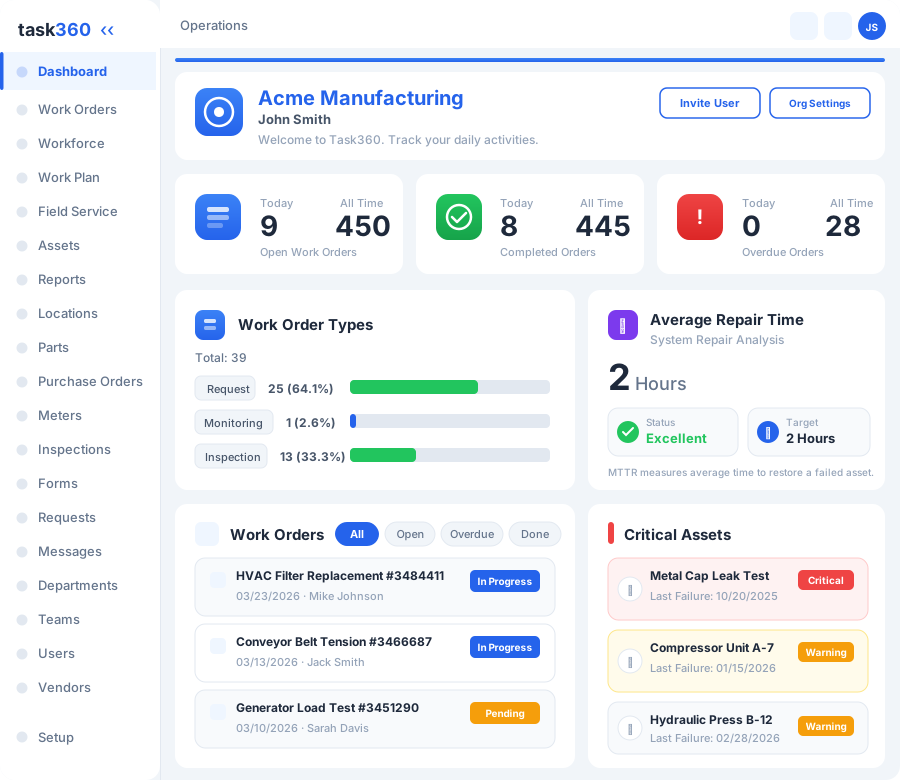
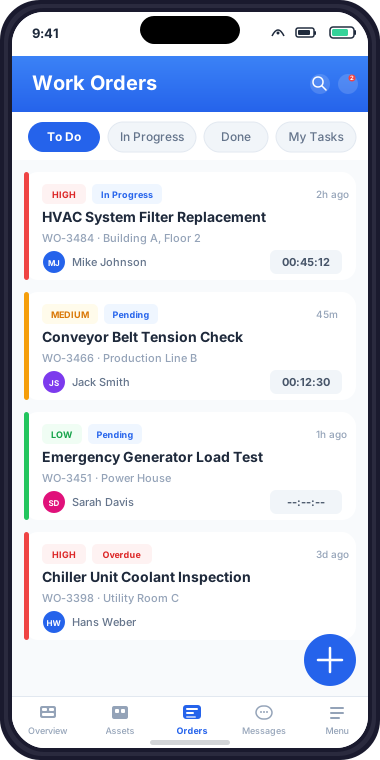
At its core, CMMS serves as a centralized hub where all maintenance activities are orchestrated. It integrates seamlessly with various facets of airline operations, from scheduling routine inspections to managing complex repair tasks. By digitizing maintenance workflows, CMMS eliminates the inefficiencies of traditional paper-based systems, where misplaced documents and human errors can lead to costly delays.

One of the standout features of CMMS is its ability to streamline inventory management. For airlines, having the right parts available at the right time is not just a matter of operational efficiency but also safety compliance. CMMS tracks inventory levels in real-time, sending alerts when stocks are low and even predicting future maintenance needs based on historical data. This proactive approach ensures that aircraft downtime is minimized, and safety standards are upheld without compromise.
Moreover, CMMS empowers maintenance teams with actionable insights. By analyzing maintenance trends and performance metrics, airlines can identify areas for improvement and implement preventive measures effectively. This predictive capability not only enhances operational reliability but also optimizes budget allocation, ensuring that resources are allocated where they are most needed.
In essence, CMMS is more than just a tool; it’s a strategic asset that enhances the overall reliability, safety, and cost-effectiveness of airline maintenance operations. By leveraging technology to its fullest potential, airlines can soar to new heights in operational excellence, meeting the demands of a dynamic industry with confidence and precision.
Flight Safety First: How CMMS Revolutionizes Airline Maintenance
CMMS software acts as a centralized hub for all maintenance activities, allowing airlines to schedule inspections, track repairs, and manage inventory seamlessly. By digitizing maintenance records and procedures, CMMS enhances accuracy and efficiency, reducing human error and minimizing downtime due to unforeseen issues. This proactive approach not only optimizes aircraft performance but also enhances overall safety standards.
Imagine CMMS as the conductor of a symphony orchestra, harmonizing the efforts of maintenance crews and ensuring each aircraft operates at peak condition. It prompts timely inspections, alerts maintenance teams to potential issues before they escalate, and ensures compliance with rigorous safety regulations mandated by aviation authorities.
Moreover, CMMS empowers airlines with data-driven insights into their fleet’s health. By analyzing historical maintenance data, airlines can predict component failures, optimize maintenance schedules, and ultimately extend the lifespan of critical aircraft parts. This predictive maintenance capability is akin to a weather forecaster, preemptively warning of storms before they disrupt travel plans.
In essence, CMMS isn’t just a tool; it’s a cornerstone of modern airline safety protocols. It transforms reactive maintenance practices into proactive strategies, fostering a culture of continuous improvement and reliability. As technology evolves, so too does the landscape of aviation maintenance, with CMMS leading the charge towards safer skies and smoother flights for passengers worldwide.
Navigating the Skies: The Vital Role of CMMS in Airline Maintenance
Imagine an orchestra where every instrument plays in perfect harmony, producing a symphony that captivates everyone who listens. Just like that, in the world of airline maintenance, CMMS (Computerized Maintenance Management System) acts as the conductor, ensuring all parts of the maintenance process work seamlessly together.
CMMS is the backbone of efficient airline maintenance operations. It’s not just a tool; it’s the brain that oversees the health and performance of every aircraft in a fleet. From routine inspections to complex repairs, CMMS keeps track of everything. It schedules maintenance tasks, monitors inventory of spare parts, and records every detail of maintenance activities. Think of it as the meticulous record keeper that never misses a beat.
In the fast-paced aviation industry, where safety and reliability are paramount, CMMS plays a crucial role in preventing disruptions. By scheduling regular maintenance checks based on flight hours or calendar dates, CMMS helps airlines detect and address potential issues before they escalate. It’s like having a proactive maintenance supervisor who anticipates problems and ensures everything runs smoothly.
Moreover, CMMS doesn’t just focus on the present; it learns from the past to improve the future. By analyzing maintenance data over time, it identifies trends and patterns that can optimize maintenance processes further. It’s akin to a seasoned pilot who uses past flight experiences to navigate future journeys more efficiently.
In essence, CMMS isn’t just a piece of software; it’s a strategic asset for airlines. It enhances operational efficiency, reduces downtime, and ultimately contributes to a safer flying experience for passengers. Just as a well-oiled machine operates flawlessly, CMMS ensures that every aircraft takes to the skies with confidence and reliability.
So next time you board a plane and marvel at the seamless journey ahead, remember that behind the scenes, CMMS is the silent hero ensuring that every part of the aircraft is in perfect harmony, ready to navigate the skies safely and efficiently.
Efficiency at Altitude: CMMS Solutions Transforming Airline Maintenance
Operating at high altitudes presents unique challenges for airlines, demanding meticulous maintenance to ensure safety and efficiency. Computerized Maintenance Management Systems (CMMS) have emerged as crucial tools in this endeavor, revolutionizing how airlines manage their maintenance operations.
CMMS integrates advanced technology with maintenance processes, streamlining workflows and enhancing productivity. By centralizing maintenance data and scheduling, these systems enable airlines to proactively monitor and manage aircraft maintenance tasks. This proactive approach minimizes downtime and reduces the likelihood of unexpected breakdowns during critical flight operations.
Imagine CMMS as the control tower for maintenance activities, orchestrating inspections, repairs, and part replacements with precision timing. Just as pilots rely on navigation systems to chart a safe course, maintenance crews depend on CMMS to navigate the complexities of aircraft upkeep. This technology not only schedules routine maintenance but also optimizes resource allocation, ensuring that personnel and parts are available precisely when needed.
In the dynamic world of airline maintenance, where every minute counts, CMMS empowers maintenance teams with real-time data and predictive analytics. It forecasts maintenance needs based on historical performance data, allowing airlines to preemptively address potential issues before they escalate. This predictive capability is akin to weather forecasting for aircraft maintenance – anticipating storms before they disrupt operations.
Moreover, CMMS enhances compliance with regulatory standards by maintaining comprehensive digital records of all maintenance activities. This documentation ensures that airlines meet stringent safety requirements and pass regulatory audits seamlessly. It’s like having a meticulous logbook that not only records every maintenance action but also analyzes trends to improve operational efficiency continuously.
From Hangar to Horizon: CMMS Technology and Airline Operational Success
At its core, CMMS integrates maintenance activities into a centralized system, enabling airlines to schedule inspections, track maintenance histories, and manage inventory effortlessly. By digitizing these critical tasks, airlines can preemptively address issues, reducing the likelihood of unexpected breakdowns that could disrupt flight schedules. This proactive approach not only enhances operational efficiency but also boosts overall safety standards.
Consider CMMS as the vigilant eye that oversees every aircraft’s health. Just as a vigilant doctor monitors a patient’s vital signs, CMMS monitors the condition of each aircraft component, alerting maintenance crews to potential issues before they escalate. This predictive maintenance capability not only saves costs associated with reactive repairs but also enhances reliability, fostering trust among passengers and stakeholders alike.
Moreover, CMMS empowers airlines with data-driven insights. Through sophisticated analytics, operators can identify trends in maintenance needs, optimize resource allocation, and even predict future maintenance requirements based on historical data. This foresight enables airlines to plan strategically, ensuring that every flight takes off on time and operates at peak efficiency throughout its journey.
In essence, CMMS technology is more than just a tool; it’s a catalyst for transformation in the aviation industry. Like a well-oiled machine, it synchronizes maintenance efforts across fleets, ensuring that each aircraft performs at its best. From hangar to horizon, CMMS technology is the unseen force that keeps airlines soaring towards operational excellence and passenger satisfaction, setting new benchmarks for success in the skies.
Sky-High Standards: CMMS as the Backbone of Airline Maintenance
Imagine the intricate ballet of an airline’s daily operations. From take-off to touchdown, every flight hinges on precision, safety, and reliability. Behind this seamless performance lies a critical system: CMMS, or Computerized Maintenance Management System. Acting as the backbone of airline maintenance, CMMS ensures that every nut, bolt, and turbine is in optimal condition, ready to defy gravity.
CMMS isn’t just a fancy acronym. It’s the silent hero that keeps planes soaring. Think of it as a digital brain that schedules maintenance tasks, tracks inventory, and logs repairs with meticulous detail. This system doesn’t sleep—it’s on call 24/7, ensuring that every aircraft meets sky-high standards.
In the dynamic world of aviation, downtime is not an option. A delay can ripple through schedules and budgets. Here’s where CMMS shines brightest. By preemptively spotting issues and streamlining workflows, it minimizes disruptions and maximizes efficiency. Picture it as a skilled air traffic controller, guiding maintenance crews with precision timing.
But CMMS isn’t just about reacting to problems; it’s about predictive prowess. By crunching data and spotting trends, it forecasts maintenance needs before they ground a plane. This proactive approach not only saves time and money but also enhances safety—a paramount concern in aviation.
For airline operators, CMMS is more than software; it’s peace of mind. It transforms complex maintenance logs into actionable insights, empowering teams to make informed decisions swiftly. Imagine having a digital co-pilot that alerts you to potential issues long before they escalate.
CMMS isn’t just a tool; it’s the linchpin that connects maintenance teams to operational excellence. It elevates airline maintenance from reactive to proactive, ensuring that each flight takes off with confidence and lands safely, meeting the sky-high standards of modern aviation.
Frequently Asked Questions
How does CMMS improve operational efficiency in airline maintenance
Learn how Computerized Maintenance Management Systems (CMMS) enhance operational efficiency in airline maintenance by streamlining scheduling, automating work orders, optimizing inventory management, and facilitating real-time data tracking and analysis.
How does CMMS help in reducing downtime and increasing aircraft availability
Learn how CMMS (Computerized Maintenance Management Systems) play a crucial role in minimizing downtime and enhancing aircraft availability. Discover how proactive maintenance scheduling, real-time monitoring, and streamlined workflows optimize operational efficiency, ensuring aircraft are operational when needed most.
What are the key features of CMMS that benefit airline maintenance management
Discover the essential features of CMMS (Computerized Maintenance Management System) that optimize airline maintenance management. Learn how CMMS enhances scheduling, tracks asset performance, manages inventory efficiently, and ensures regulatory compliance, all crucial for maintaining aircraft safety and operational efficiency.
What are the cost-saving benefits of implementing CMMS in airline maintenance operations
Learn about the cost-saving benefits of implementing CMMS (Computerized Maintenance Management System) in airline maintenance operations, ensuring efficient management of resources, reducing downtime, and optimizing maintenance schedules.
What is CMMS and why is it important for airline maintenance
Learn about CMMS and its vital role in airline maintenance. Discover why CMMS is crucial for optimizing maintenance operations, ensuring aircraft safety, and minimizing downtime.